
Food to Try in Turkey
Why Turkish food is underrated
Turkish food draws from the Ottoman Empire's court cuisine, which pulled flavors from the Balkans to Persia to North Africa. But it also has the rough honesty of Anatolian village cooking, where a few good ingredients and an open fire produce something extraordinary.
Most visitors know kebabs and baklava. That barely scratches the surface. Turkey has one of the most elaborate breakfast traditions on the planet, a meze culture that rivals anything in the Mediterranean, regional bread traditions that vary every hundred kilometers, and a dessert repertoire that runs from milk puddings to cheese-filled pastries soaked in syrup. The depth here is real.
How Turks Eat
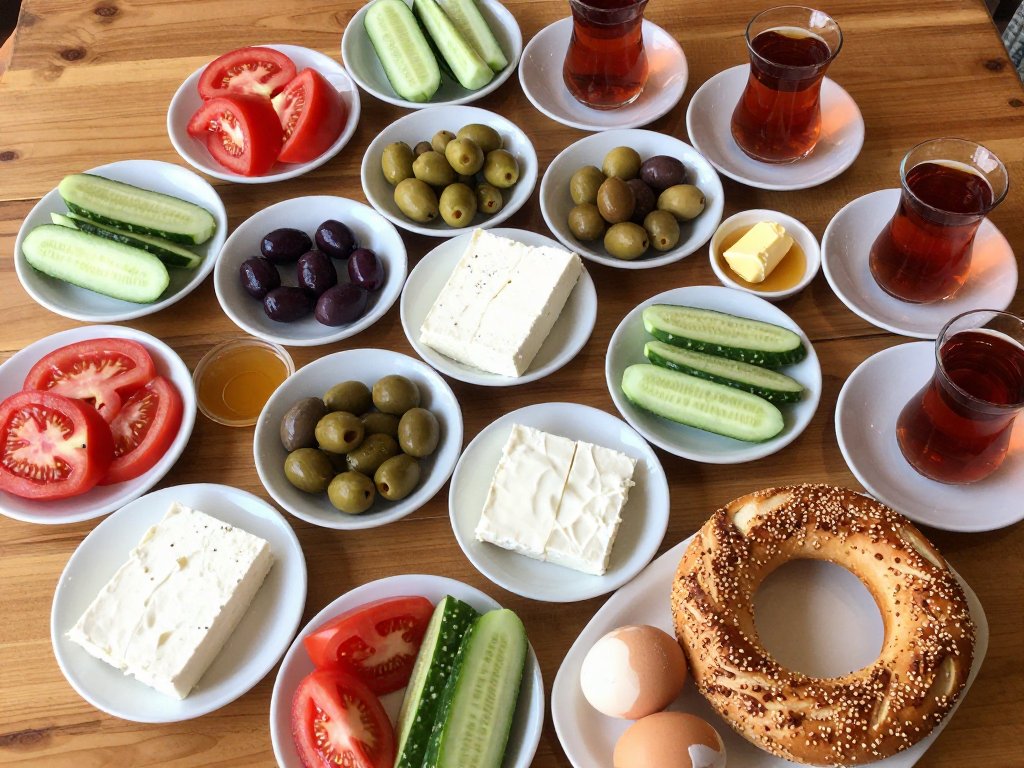
Breakfast is serious business in Turkey. Weekend kahvaltı is closer to a ritual than a meal. Families and friends gather at breakfast salons for two to three hours over a table covered end to end with small plates. Cheeses, olives, honey with kaymak, sucuk with eggs, fresh tomatoes, cucumbers, jams, butter, and a bottomless supply of black tea. This is not a quick coffee-and-toast situation.
Lunch is lighter: a bowl of soup, a pide, or a quick plate of kebab. Dinner is the other anchor meal, eaten around 7-8pm, and often involves a more formal sit-down with meze, grilled meats, and conversation.
Tea Culture
Tea (çay) is the pulse of Turkish daily life. It is drunk from small tulip-shaped glasses, always hot, often sweet, and consumed in quantities that would alarm a cardiologist. Offering tea is an act of hospitality. Refuse it and you risk causing minor offense. Çay bahçesi (tea gardens) are the social centers of Turkish towns, where people sit for hours playing backgammon and watching the world pass.
Turkish coffee is more ceremonial. It is brewed in a small copper pot (cezve), served thick and unfiltered, and traditionally comes with a glass of water and a small sweet. You specify the sugar level when ordering: sade (no sugar), az şekerli (a little), orta (medium), or çok şekerli (very sweet).
Regional food worth traveling for
Istanbul
Istanbul straddles two continents, and its food reflects that. The street food alone could fill a week: balık ekmek (grilled mackerel sandwich) at Eminönü, midye dolma (stuffed mussels) sold from carts in Beyoğlu, and lahmacun from late-night joints in Kadıköy.
For sit-down meals, the meyhane (tavern) tradition is essential. These are meze-focused restaurants where you order a spread of cold and hot starters, drink rakı (anise spirit that turns milky with water), and eventually get around to grilled fish or meat. Nevizade Sokak in Beyoğlu is lined with meyhanes, but better options hide in neighborhoods like Balat, Karaköy, and the Asian side's Çengelköy.
Karaköy and Beşiktaş have excellent lokanta (canteen-style restaurants) where you point at trays of home-cooked dishes behind glass and eat a full lunch for TRY 100-200. These places serve the kind of food Turkish grandmothers make: stews, rice pilafs, stuffed peppers, and beans in olive oil. When the display labels are only in Turkish, a quick scan with Menu Translator tells you what each dish is before you have to point and hope for the best.
Southeast: Gaziantep, Şanlıurfa, and Adana
This is where Turkish food gets serious. Gaziantep (usually just called Antep) is widely considered the food capital of Turkey. Its baklava, made with local pistachios and thin-as-tissue phyllo, is the standard against which all baklava is judged. Antep also produces some of the best lahmacun you'll find, beyran (a lamb-and-rice soup eaten for breakfast), and ali nazik (smoky eggplant puree topped with sautéed lamb).
Şanlıurfa contributes çiğ köfte (originally made with raw meat, now usually vegan bulgur) and the Urfa kebab, similar to the Adana but without the chili heat, using dark Urfa pepper flakes instead.
Adana's gift to the world is the Adana kebab: hand-minced lamb packed with red pepper and charcoal-grilled. When made properly, the spice builds slowly and the fat from the tail renders through the meat. Eating an Adana kebab at a good ocakbaşı (grill restaurant) in its home city, with grilled tomatoes and peppers on the side, a pile of lavash bread, and a glass of şalgam (sour turnip juice). That is Turkish food at its best.
The Black Sea Coast
The northeast coast has a completely different culinary personality. Anchovy (hamsi) is king here. It shows up fried, in bread, baked into cornbread, and even in desserts. Kuymak (or muhlama), a fondue-like dish of melted cheese, butter, and cornmeal, is the region's comfort food. The mountain villages produce excellent honey, and the Trabzon-style pide is longer and thinner than other regional versions.
Central Anatolia: Kayseri and Konya
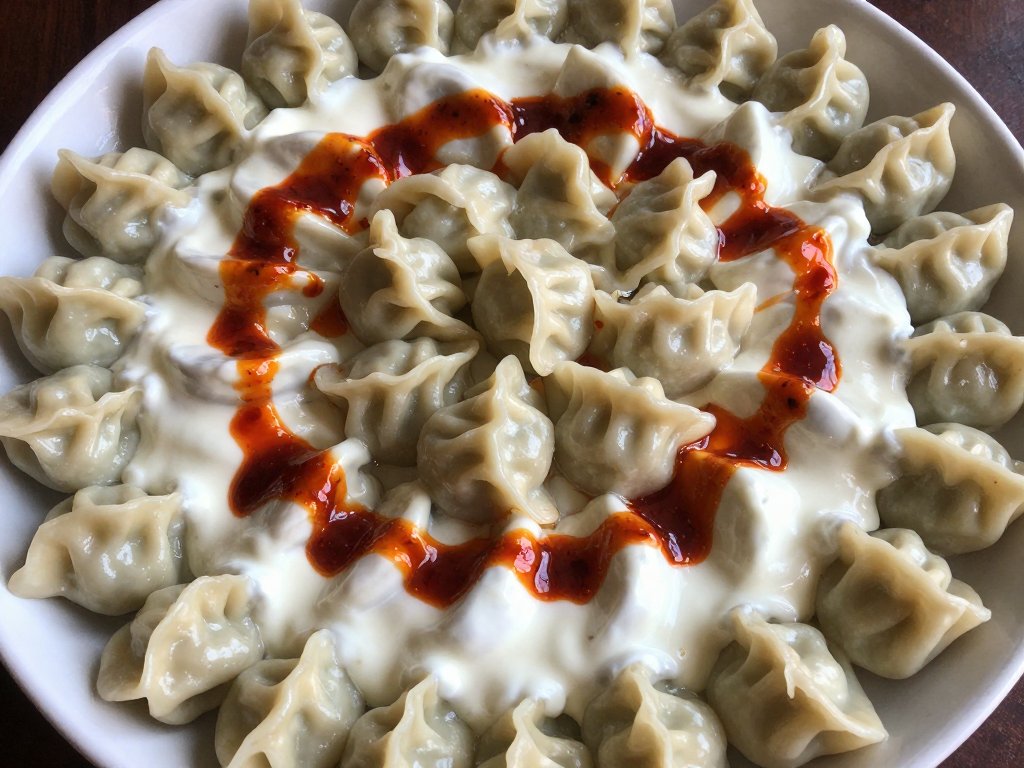
Kayseri claims mantı (Turkish dumplings) as its own. Proper Kayseri mantı are tiny. The saying goes that forty should fit on a single spoon. They are served smothered in garlic yogurt with mint-infused red pepper oil drizzled over the top.
Konya is known for etli ekmek (a long, thin flatbread topped with minced meat) and fırın kebabı (slow-roasted lamb). The city also has a strong tradition of simple, hearty food that fits its conservative Anatolian character.
The Aegean Coast
The western coast has a lighter, more Mediterranean touch. Olive oil dishes, seafood, and wild herbs dominate. Ayvalık is famous for its tost (a pressed, grilled sandwich oozing with cheese and sausage that is somehow more than the sum of its parts) and its olive oil. Bodrum and İzmir produce excellent fish restaurants and meze spreads that feel closer to Greek food, which makes sense given the shared history.
Dietary restrictions
Halal
Turkey is a Muslim-majority country, so virtually all meat served in restaurants is halal by default. Pork is extremely rare and clearly labeled when it does appear, mostly in imported products at Western-style supermarkets or certain international restaurants.
Vegetarian
Turkish food is built around meat, especially in the kebab-heavy southeast. But there is more to work with than it first appears. Breakfast is entirely vegetarian-friendly. Meze spreads offer plenty of options: hummus, haydari, acılı ezme, yaprak sarma (stuffed vine leaves in oil), patlıcan salatası (smoky eggplant salad), and white bean salad.
Gözleme (thin flatbread cooked on a griddle and stuffed with cheese, spinach, or potatoes) is available everywhere. Pide comes in cheese and egg versions. Çiğ köfte has largely gone vegan (the commercial version uses bulgur, not raw meat). Menemen (scrambled eggs with tomatoes and peppers) is a classic breakfast option.
The challenge is hidden meat. Vegetable dishes at lokanta-style restaurants may use meat stock, and rice pilaf is sometimes cooked with chicken broth. Ask "etsiz mi?" (is it without meat?) to be sure. Scanning the menu with Menu Translator can also flag dishes that commonly include meat-based ingredients, giving you a head start on knowing what to ask about.
Vegan
Vegan eating is manageable but requires awareness. Yogurt and butter are used extensively. Breakfast becomes more limited without dairy and eggs, though olives, tomatoes, cucumbers, bread, and jams work. Çiğ köfte wraps are reliably vegan. Some olive-oil-based meze dishes (yaprak sarma, piyaz, fava) are naturally vegan. In larger cities, dedicated vegan restaurants are becoming more common.
Gluten-Free
Turkish food relies heavily on bread. It accompanies every meal and refusing it sometimes confuses servers. But many dishes are naturally gluten-free: grilled kebabs, rice pilaf, yogurt dishes, salads, and many meze items. Bulgur (in köfte and çiğ köfte) contains gluten, so watch for that. Ask about flour coatings on fried items.
Practical Ordering Tips
Ocakbaşı is the move for kebabs. These grill-focused restaurants let you sit around the open charcoal grill and watch the kebapçı (grill master) work. The meat is typically better than at generic restaurants, and the atmosphere is lively. Look for places where locals are eating. The menus often list dozens of kebab variations by name alone, so Menu Translator is useful here to see exactly what cut of meat, spice level, and preparation style each one involves.
Bread is infinite and free. Fresh bread arrives at your table unprompted and is refilled throughout the meal. It is not added to the bill. Tearing off pieces to scoop up meze or soak up meat juices is standard practice.
Ayran pairs perfectly with kebabs. This cold, salty yogurt drink cuts through the richness of grilled meat. Order it instead of soda and you will understand why every kebab shop has it.
Rakı has rules. This anise spirit is drunk with meze, especially fish. Add cold water to turn it cloudy white (called "aslan sütü," or lion's milk). Sip it slowly alongside bites of meze. Rakı is social drinking, and it is not meant to be rushed. A proper rakı-meze dinner can last three or four hours.
Tipping is straightforward. Leave 10-15% at sit-down restaurants. At casual kebab places or lokanta counters, rounding up is sufficient. Cash is preferred.
Street food is a full food group. Simit carts, roasted chestnut vendors in fall, corn on the cob in summer, midye dolma (mussels stuffed with spiced rice), kokoreç (seasoned offal in bread, an acquired taste worth acquiring), and döner stands are all legitimate meals. Istanbul's street food scene alone could sustain you for a week. When you spot a stall with a menu board in Turkish that you can't read, snap a photo with Menu Translator and you'll know whether you're about to order lamb intestines or a cheese-filled pastry.
The Sweet Side
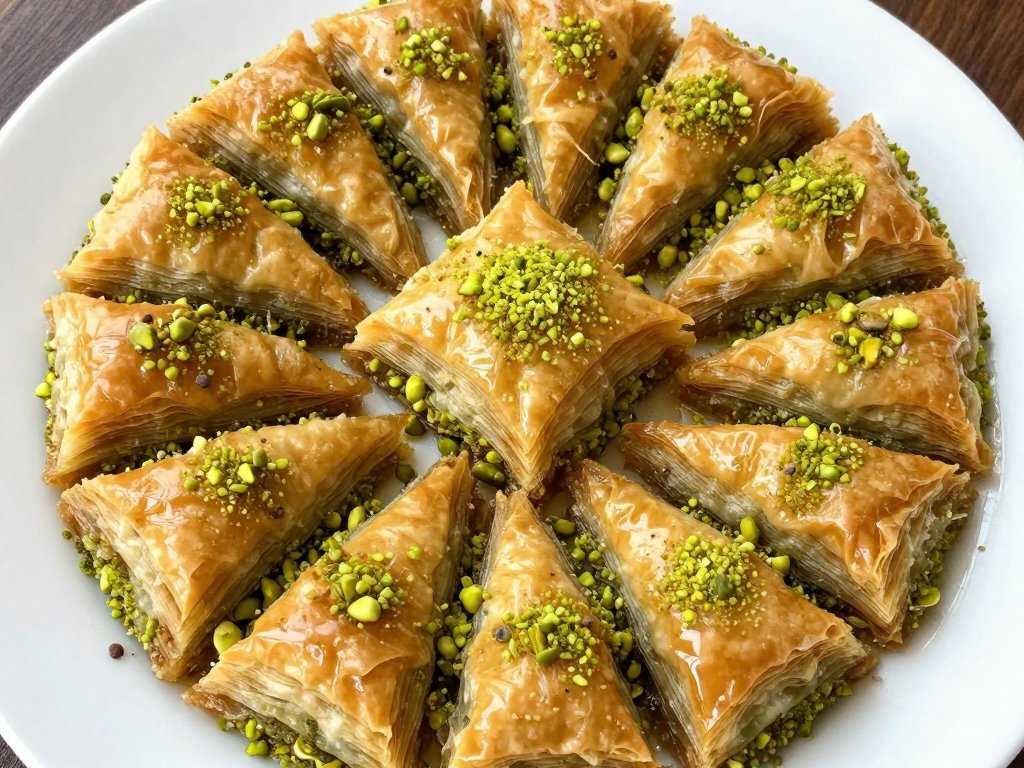
Turkish desserts are worth a section of their own. Baklava from an Antep-style bakery, with layers so thin they are nearly transparent and Antep pistachios ground into the filling, is in a different league from the heavy syrup-soaked versions found elsewhere. Buy it by weight at a proper baklava shop, not from a tourist store.
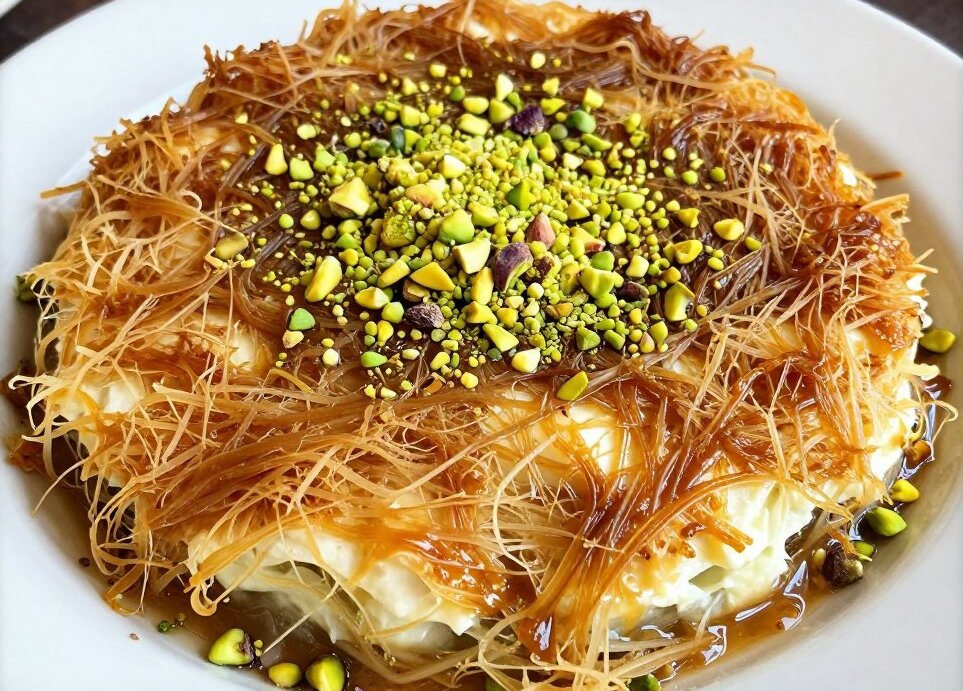
Künefe (shredded pastry with melted cheese inside, baked crispy and drowned in syrup) is served bubbling hot and must be eaten immediately. It is sweet and salty, crunchy on the outside and gooey in the middle. The Hatay region does the best version.
Kazandibi (caramelized milk pudding), sütlaç (baked rice pudding), and tavuk göğsü (a milk pudding made, improbably, with shredded chicken breast; you cannot taste the chicken at all) represent the Ottoman palace dessert tradition. These names are opaque on a Turkish dessert menu, which is where Menu Translator helps by explaining not just the name but what the dish actually tastes like. These are subtle and nothing like the sugar-bomb desserts most tourists expect.
An Honest Assessment
Turkish hospitality is real and sometimes overwhelming. Shopkeepers will offer you tea. Taxi drivers will recommend their cousin's restaurant. A waiter may bring you extras you did not order. This generosity is real, but in tourist areas, it can also be a sales tactic. In the Grand Bazaar and Sultanahmet, be cautious of restaurants that send someone to the street to recruit customers.
The best food in Turkey is rarely at the most obvious tourist spots. Walk past the places with English-language menus and photos of food outside. Follow the smoke from a charcoal grill down a side street. Ask a local where they eat breakfast. Sit at a place where the menu is handwritten in Turkish and the waiter does not speak English. Most translation apps struggle with handwritten text, but Menu Translator reads it without issues, so a language barrier is no reason to miss out. That is where the food lives up to Turkey's reputation.
Must-Try Dishes in Turkey
From street food stalls to fine dining, these are the dishes you should not miss.
Breakfast
Turkish Breakfast
Kahvaltı
An elaborate spread of cheese, olives, tomatoes, cucumbers, honey, kaymak (clotted cream), eggs, simit, jams, and tea. Often shared at a table for hours.
Appetizers
Börek
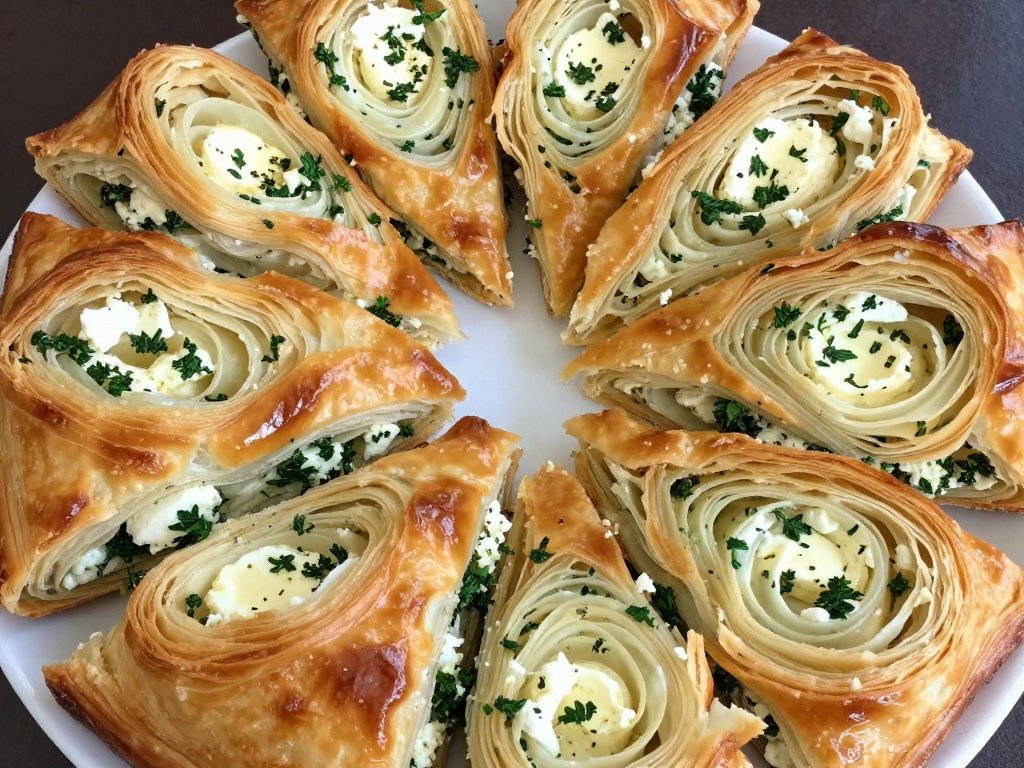
Flaky layered pastry filled with cheese, spinach, or meat. Su böreği (water börek) has a silky, noodle-like texture unique to Turkish cooking.
Meze Spread
Meze
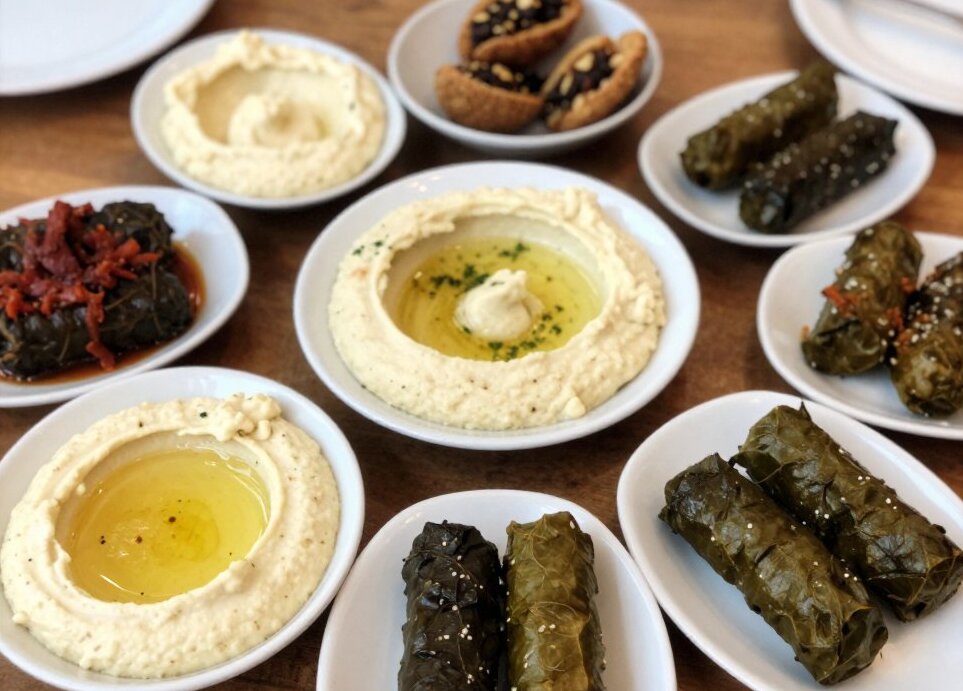
A selection of cold and hot appetizers: hummus, ezme (spicy tomato-walnut salsa), haydari (thick herb yogurt), acılı ezme, and stuffed vine leaves.
Street Food
Lahmacun
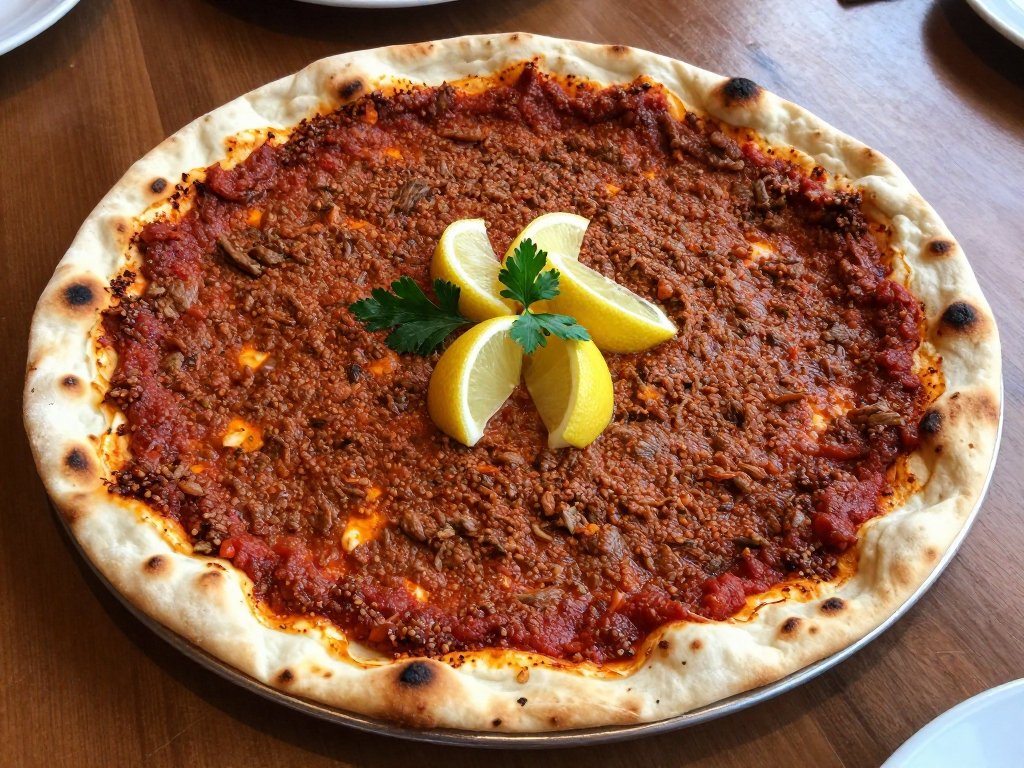
Paper-thin flatbread topped with minced lamb, tomatoes, peppers, and herbs. Rolled up with parsley, lemon juice, and eaten by hand.
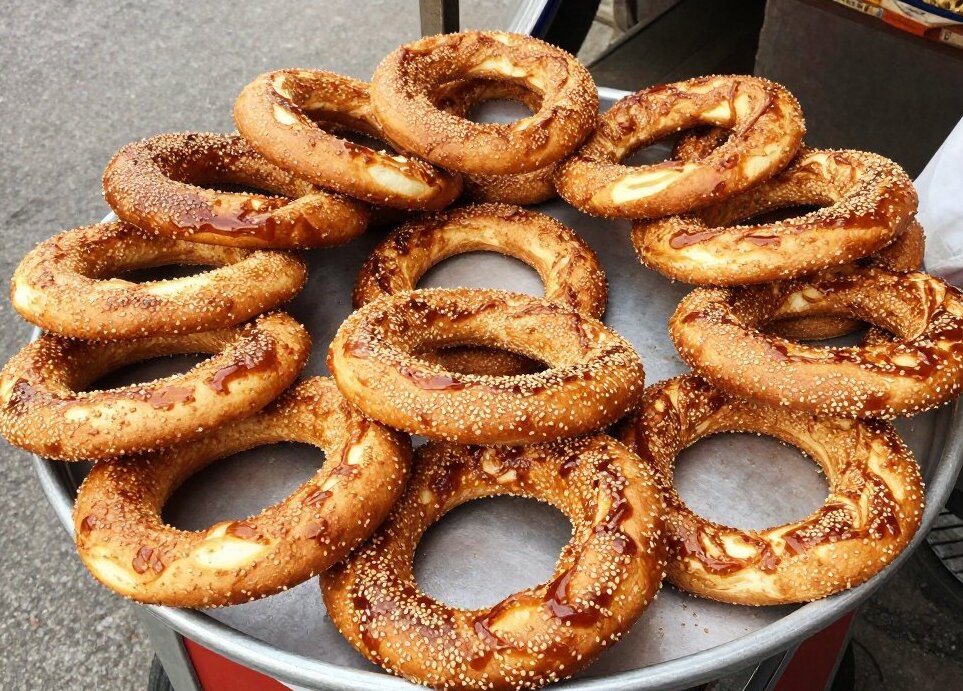
Simit
Circular bread coated in molasses and sesame seeds. Sold from carts on every street corner, eaten plain or with cheese and tea for breakfast.
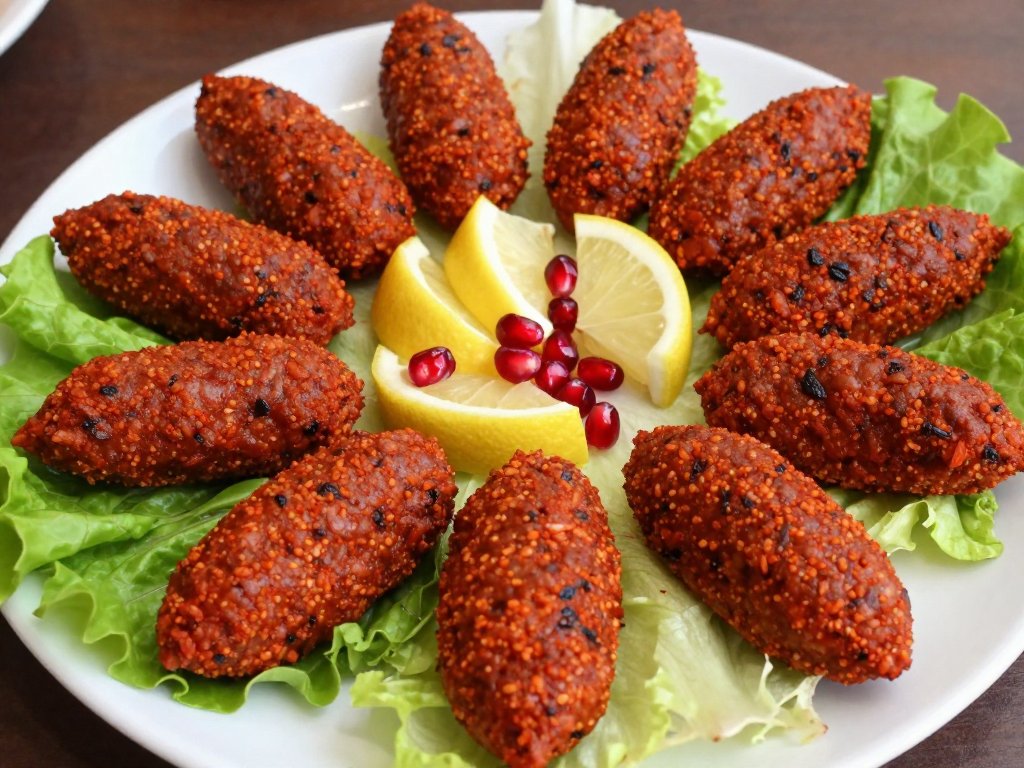
Çiğ Köfte
Çiğ köfte
Spiced bulgur wheat kneaded with tomato and pepper paste until raw-steak smooth. Wrapped in lettuce with lemon and pomegranate molasses.
Main Courses
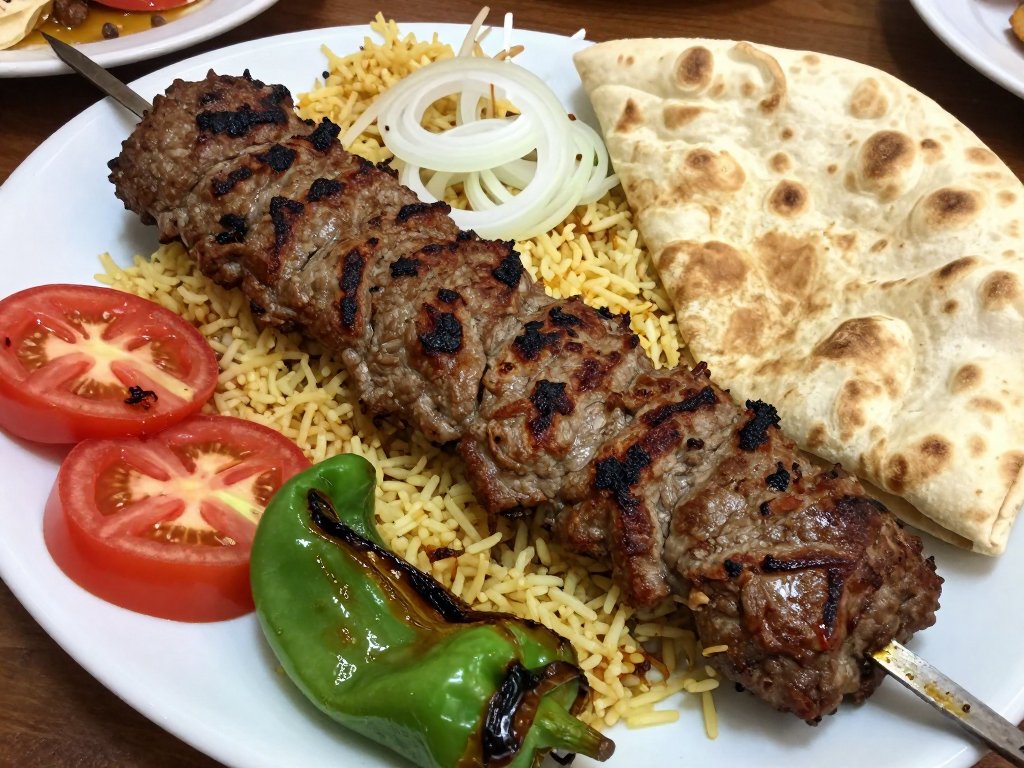
Adana Kebab
Adana kebabı
Hand-minced lamb mixed with red pepper flakes and tail fat, shaped onto a flat skewer and grilled over charcoal. Named after the city of Adana in southeast Turkey.
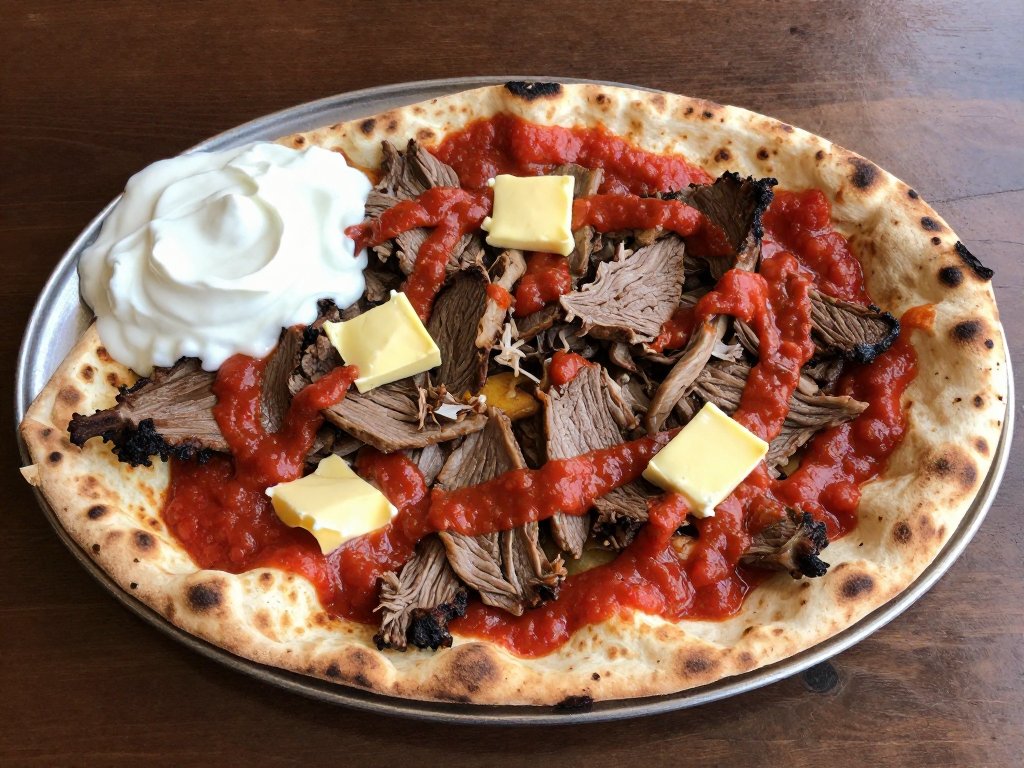
İskender Kebab
İskender kebabı
Thin slices of döner meat laid over pieces of pide bread, covered with tomato sauce and melted butter, served with yogurt on the side.
Pide
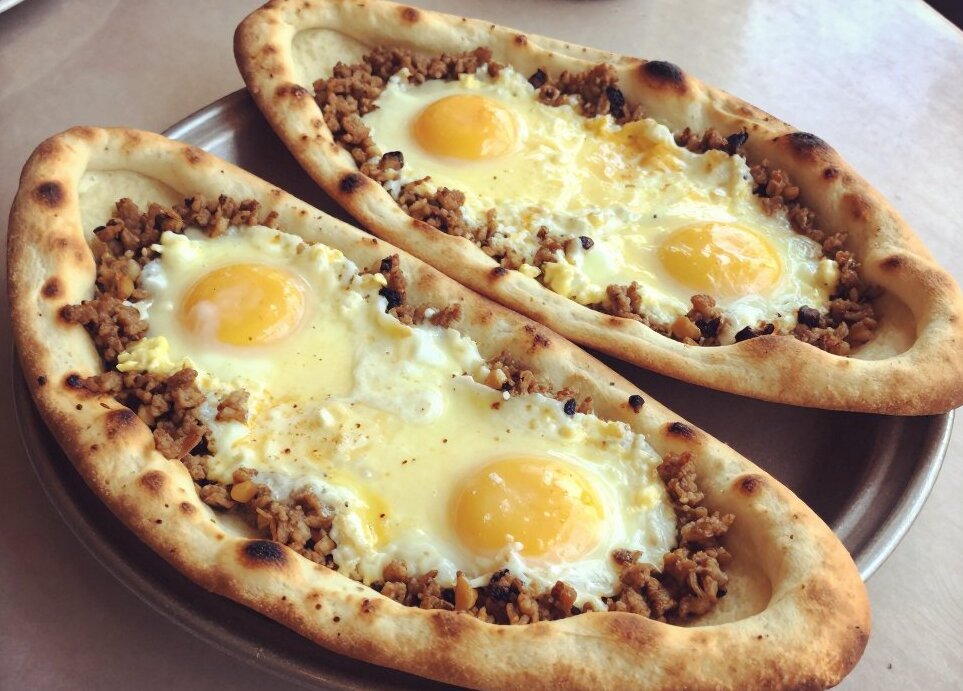
Boat-shaped flatbread filled with cheese, egg, or minced meat. Baked in a wood-fired oven. Often called Turkish pizza.
Mantı
Tiny hand-folded dumplings filled with spiced meat, served with garlic yogurt, dried mint, and red pepper oil. The smaller the dumpling, the better the cook.
Desserts
Baklava
Thin layers of phyllo filled with pistachios or walnuts and soaked in sugar syrup. Gaziantep produces the most celebrated version.
Künefe
Shredded kadayıf pastry layered with unsalted cheese, baked until crisp and golden, then soaked in syrup. Served hot with crushed pistachios.
Drinks
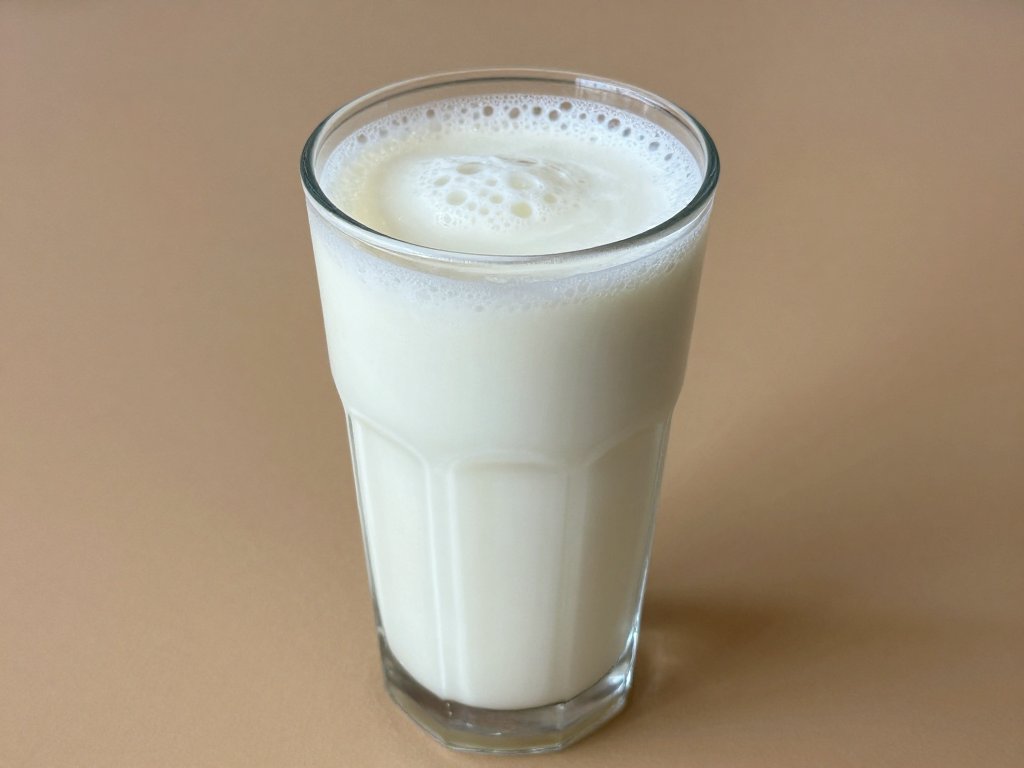
Ayran
Cold yogurt drink blended with water and salt. Served with almost every meal, especially alongside kebabs. Refreshing and slightly sour.
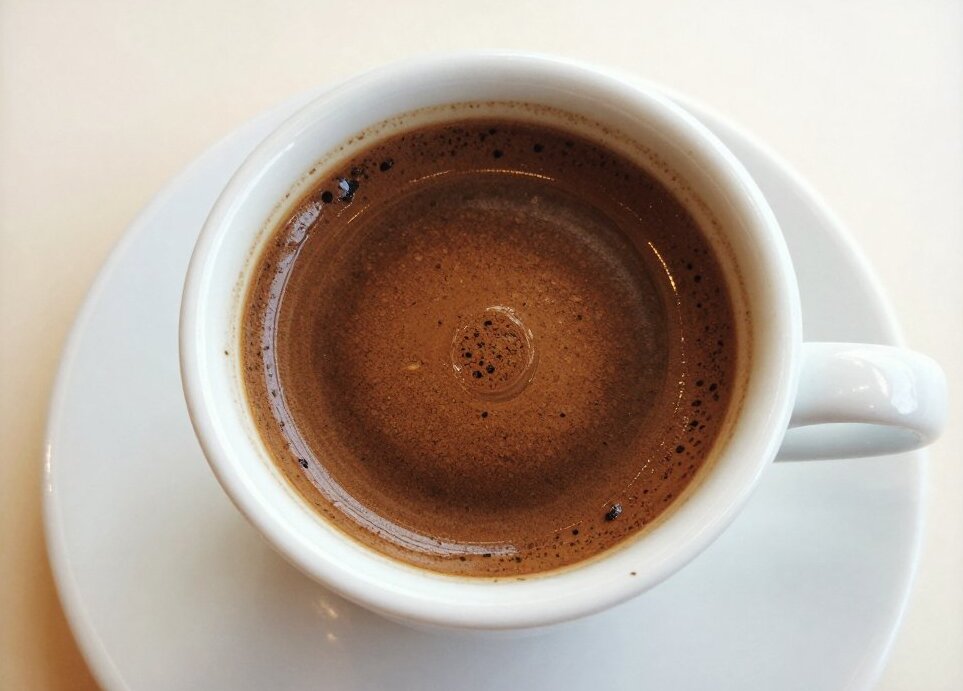
Turkish Coffee
Türk kahvesi
Finely ground coffee simmered in a cezve with water and sugar, served unfiltered in a small cup. The grounds settle at the bottom.
Traveling to Turkey?
Translate any menu instantly with your camera.


Useful Phrases for Dining
Learn these essential phrases to navigate restaurants and food stalls in Turkey.
English
Turkish
Pronunciation
Can I see the menu, please?
Menüyü görebilir miyim, lütfen?
meh-noo-YOO gör-eh-bee-LEER mee-yeem, LOOT-fen
I'd like to order this.
Bunu istiyorum, lütfen.
BOO-noo ees-tee-YOR-um, LOOT-fen
I don't eat meat.
Et yemiyorum.
ET yeh-mee-YOR-um
The bill, please.
Hesap, lütfen.
heh-SAHP, LOOT-fen
Thank you.
Teşekkür ederim.
teh-shek-KOOR eh-deh-REEM
Is this dish spicy?
Bu yemek acı mı?
boo yeh-MEK ah-JUH muh
No sugar, please.
Şekersiz, lütfen.
sheh-kehr-SEEZ, LOOT-fen
This is delicious.
Çok lezzetli.
chok lez-zet-LEE
Frequently Asked Questions
Everything you need to know about dining in Turkey.
Start with a full Turkish breakfast spread, then work through kebab varieties (Adana, İskender, and şiş kebab at minimum). Try lahmacun and pide for Turkish flatbread traditions. Do not skip the desserts: baklava from Gaziantep-style shops and künefe served hot. A meze dinner with rakı is essential for the complete experience.
Never struggle with a foreign menu again
Point your camera at any menu and get instant translations with dish descriptions, dietary info, and more.