
Food to Try in Mexico
What Mexican Food Actually Is
Forget everything you know from Tex-Mex. Mexican food has almost nothing in common with the hard-shell tacos, yellow cheese, and ground beef that pass for "Mexican" in most of the world. What you'll find in Mexico is a cuisine built on 9,000 years of corn cultivation, dozens of dried chili varieties that taste nothing like generic "hot sauce," and ancient cooking techniques like nixtamalization and underground pit roasting.
UNESCO recognized Mexican cuisine as an Intangible Cultural Heritage, and that's not honorary. The corn-beans-chili foundation is one of the most nutritionally complete food systems humans ever developed. Every region adds its own layers (coastal seafood, highland moles, desert cactus, jungle fruits), and the food changes dramatically every few hundred kilometers.
The other thing to understand: Mexican food is social. Meals happen with other people. Markets have communal tables. Taco stands are gathering points. Sunday is for family meals that stretch for hours. Eating alone at a food stall is fine, but you'll probably end up in conversation anyway.
How Eating Works in Mexico
Where to Eat
Taquerias are taco shops, either street stands or small sit-down places that serve nothing but tacos and maybe quesadillas. The best ones specialize: you want the taqueria that does only al pastor, or only suadero, or only barbacoa. That focus is why they're so good.
Fondas are small, family-run restaurants, often inside or adjacent to markets. Most serve comida corrida (also called menu del dia), a set lunch that includes a soup or pasta course, rice, a main dish, a drink (usually agua fresca), and sometimes dessert, all for 60-120 MXN. This is how most working Mexicans eat their main meal, and it's the best value in the country. The menu is often written on a whiteboard in Spanish only, but a quick scan with Menu Translator shows you every option in your language so you can order with confidence.
Mercados (markets) are the center of Mexican food culture. Every city and town has at least one, with food stalls occupying an entire section. Mercado de San Juan and Mercado de la Merced in Mexico City, Mercado 20 de Noviembre in Oaxaca, and Mercado Hidalgo in Guanajuato are worth a full morning each. Walk through, see what looks good, sit on a stool, and eat. When the hand-painted signs above stalls list dishes you don't recognize, scanning them with Menu Translator tells you exactly what each one is. That's how you end up discovering dishes you'd never have tried otherwise.
Cenadurías are dinner-only restaurants, common in western and central Mexico, serving lighter evening fare: enchiladas, sopes, tostadas, tamales, and pozole.
For upscale dining, Mexico City has a serious restaurant scene. Several Mexican restaurants have appeared on the World's 50 Best list. A meal at these places runs 1500-4000 MXN per person, which is still cheaper than equivalent restaurants in New York or London.
Meal Timing
Desayuno (breakfast) is eaten between 7:00 and 10:00. It can be light (pan dulce and coffee) or substantial (chilaquiles, huevos rancheros, tamales). Tamale vendors with steaming pots appear on street corners and outside Metro stations by 7 AM. A tamale and an atole (warm corn-based drink) costs about 30-50 MXN and will carry you to lunch.
Comida (the main meal) happens between 14:00 and 16:00, later than most tourists expect. This is the big meal of the day, and many offices and shops close or slow down for it. If you're eating comida corrida at a fonda, arrive by 14:00 for the best selection.
Cena (dinner) is lighter, usually after 20:00. Tacos, tamales, quesadillas, and other antojitos (small bites) are typical evening food. This is when taco stands really come alive. In Mexico City, the best al pastor tacos happen between 21:00 and midnight.
Table Customs
Tortillas replace bread. They come to the table warm in a cloth-lined basket or a special container, and you use them to scoop, wrap, and eat everything. When eating tacos, hold them with your fingers, one hand underneath to catch drips. Adding salsa and lime is expected. Most taquerias offer at least two salsas: a red one (often smoky and mild) and a green one (usually hotter). Taste before you pour.
Tipping in Mexico: 10-15% at sit-down restaurants, nothing at street stalls and taquerias. Some restaurants add service to the bill, so check before doubling the tip.
Regional Food Across Mexico
Mexican food varies enormously from state to state, and menus in one region can look completely foreign to someone who just arrived from another. Menu Translator goes beyond literal translation and explains what each dish actually is, which matters when the same ingredient shows up in completely different forms across regions. Here are the major food regions.
Mexico City (CDMX)
The capital absorbs food traditions from everywhere, which makes it the best single destination for Mexican food exploration. Tacos al pastor were invented here by Lebanese immigrants who adapted shawarma technique to local ingredients. The trompo (vertical rotisserie) with a pineapple on top is how you spot a good al pastor stand.
Beyond tacos: blue corn quesadillas at market stalls, tlacoyos (thick oval masa cakes stuffed with beans), and pambazo (bread dipped in red chili sauce and filled with potatoes and chorizo) are Mexico City originals. The Roma, Condesa, and Coyoacán neighborhoods have both traditional markets and modern restaurants. Colonias like Narvarte and Del Valle are where locals eat without tourist pricing.
Oaxaca
Oaxaca has a strong claim to the best food in Mexico. This is the land of mole. Not one mole, but seven traditional varieties, from the dark, complex mole negro to the bright red coloradito. Mole is not a single recipe but a category: each family's version is different, and the differences matter.
Oaxacan specialties beyond mole: tlayudas (large crispy tortillas topped like a pizza), chapulines (toasted grasshoppers with chili and lime, crunchy, tangy, and surprisingly good), tasajo (thin-sliced dried beef), and string cheese (quesillo) that's eaten by pulling it apart in strips.
Mezcal is Oaxaca's spirit. The mezcalerias in the city center offer tastings of artisanal mezcal made from wild agave varieties. A good mezcal tasting runs about 200-400 MXN for four or five pours. Drink it slowly. This isn't tequila-shot territory.
Yucatan Peninsula
Yucatecan food is the most distinct regional cuisine in Mexico, heavily influenced by Mayan cooking and Caribbean proximity. Cochinita pibil (pork marinated in achiote and sour orange, wrapped in banana leaves, and slow-cooked in an underground pit) is the signature dish. Other essentials: papadzules (egg-filled tortillas in pumpkin seed sauce), salbutes (fried puffed tortillas topped with turkey), and panuchos (fried tortillas stuffed with black beans). Names like these won't mean much on a menu, but Menu Translator breaks down each dish with its actual ingredients and preparation so you know exactly what you're ordering.
The flavors here are different from central Mexico: habanero peppers (seriously hot), achiote paste, sour orange, pickled red onion, and recado spice pastes.
Jalisco and the Pacific Coast
Guadalajara is the birthplace of the torta ahogada, a crusty bread roll stuffed with carnitas and "drowned" in spicy tomato sauce. Birria (stewed meat, traditionally goat) is the other essential, now famous worldwide as birria tacos with the red-stained consommé for dipping.
The Pacific coast from Sinaloa to Guerrero is seafood territory: aguachile (raw shrimp in lime and chili), ceviche, and pescado zarandeado (whole fish butterflied and grilled over coals). Mazatlán and Puerto Vallarta are good bases for coastal eating. A plate of fresh ceviche on the beach runs 100-200 MXN.
Northern Mexico
Northern Mexican food is cattle country food: carne asada (grilled beef), cabrito (roasted kid goat) in Monterrey, burritos de machaca (dried shredded beef) in Sonora, and flour tortillas instead of corn. The north uses more wheat and beef than the rest of the country. This is where the Tex-Mex connection actually originates, since the border regions share food traditions.
Dietary Restrictions
Vegetarian
Mexican cities have embraced vegetarian eating more than you might expect. Mexico City, Oaxaca, and San Miguel de Allende all have dedicated vegetarian restaurants. Traditional meatless options exist everywhere: quesadillas with squash blossoms (flor de calabaza), huitlacoche (corn fungus, also called "Mexican truffle," earthy and delicious), bean-stuffed gorditas, nopales (cactus paddles), rajas con crema (roasted poblano strips with cream), and cheese enchiladas.
The catch: lard (manteca) is traditional in refried beans and sometimes in tortilla masa, and chicken broth appears in rice and some salsas. At street stalls, ask "sin carne y sin manteca" (without meat and without lard). At fondas, the cook can usually tell you exactly what's in each dish. Menu Translator flags common ingredients like lard and meat stock when you scan a menu, so you'll know which dishes to ask about before the conversation even starts.
Vegan
Harder, but doable. The corn-and-bean base is naturally vegan, but cheese, cream, and lard are added to almost everything. In major cities, vegan restaurants and vegan taco stands are increasingly common. At markets, fresh fruit, guacamole with totopos (fried tortilla chips), corn on the cob (ask for it without mayo), and nopales dishes are reliable options.
Gluten-Free
Mexico is naturally one of the best countries for gluten-free eating. Corn is the staple grain, so tortillas, tamales, tostadas, sopes, and tlacoyos are all corn-based and gluten-free. Flour tortillas (more common in the north) and bread-based items like tortas and pan dulce contain gluten. Soy sauce occasionally appears in modern fusion cooking but is absent from traditional Mexican food.
Practical Tips
Salsa etiquette: At a taqueria, the salsa containers on the counter are communal. Use the spoon or squeeze bottle, don't double-dip your taco. Green salsa (verde) is made from tomatillos and can range from mild to scorching. Red salsa varies even more widely. When in doubt, put a tiny amount on one taco and assess before committing.
Water: Drink bottled or purified water. Most restaurants use purified water for ice and drink preparation, but at small street stalls, you may want to skip the ice. This isn't fear-mongering; it's common sense that even locals follow in unfamiliar areas.
Ordering tacos: At busy taquerias, you tell the taquero (taco maker) what you want and how many. "Cinco de pastor" means five al pastor tacos. They'll ask "con todo?" (with everything?). Say yes to get the standard onion, cilantro, and whatever else they add. Salsas and lime are self-serve from the counter.
Mezcal and tequila: In Mexico, both are sipped neat, never as shots with salt and lime (that's a tourist and export thing). Good mezcal is meant to be savored. At mezcalerias, a pour of artisanal mezcal costs 60-150 MXN. Tequila follows the same sipping etiquette. Try a reposado or añejo for the smoothest experience.
Markets: Go early (before 10:00) for the freshest produce and least crowded stalls. Bring cash in small denominations. 20 and 50 MXN bills are ideal. Most market vendors don't take cards. Walk the entire market once before deciding where to sit, so you see all your options.
The golden rule in Mexico is the same as everywhere: eat where the locals eat. The taco stand with the longest line at midnight, the fonda packed with office workers at 14:30, the market stall where the grandmother hasn't changed her mole recipe in forty years. That's where the real food is. A Spanish-only menu just means you've found somewhere authentic. Let Menu Translator handle the language and focus on the food.
Must-Try Dishes in Mexico
From street food stalls to fine dining, these are the dishes you should not miss.
Breakfast
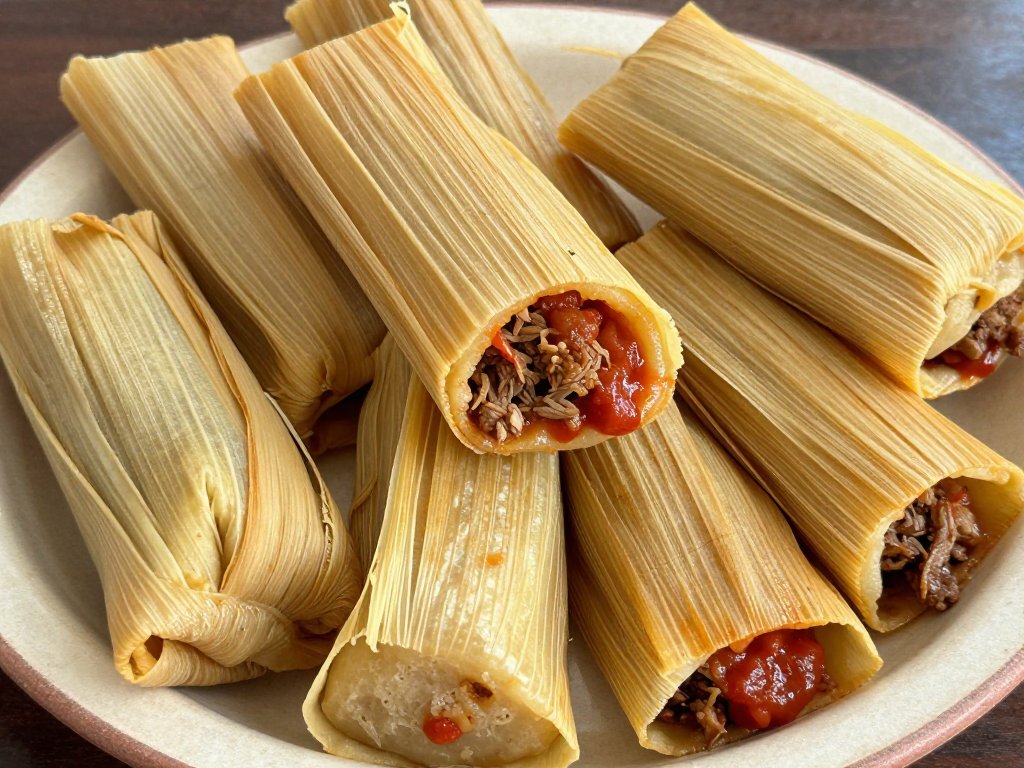
Tamales
Masa dough stuffed with meat, cheese, or chilies, wrapped in corn husks or banana leaves and steamed. Fillings and styles vary by region.
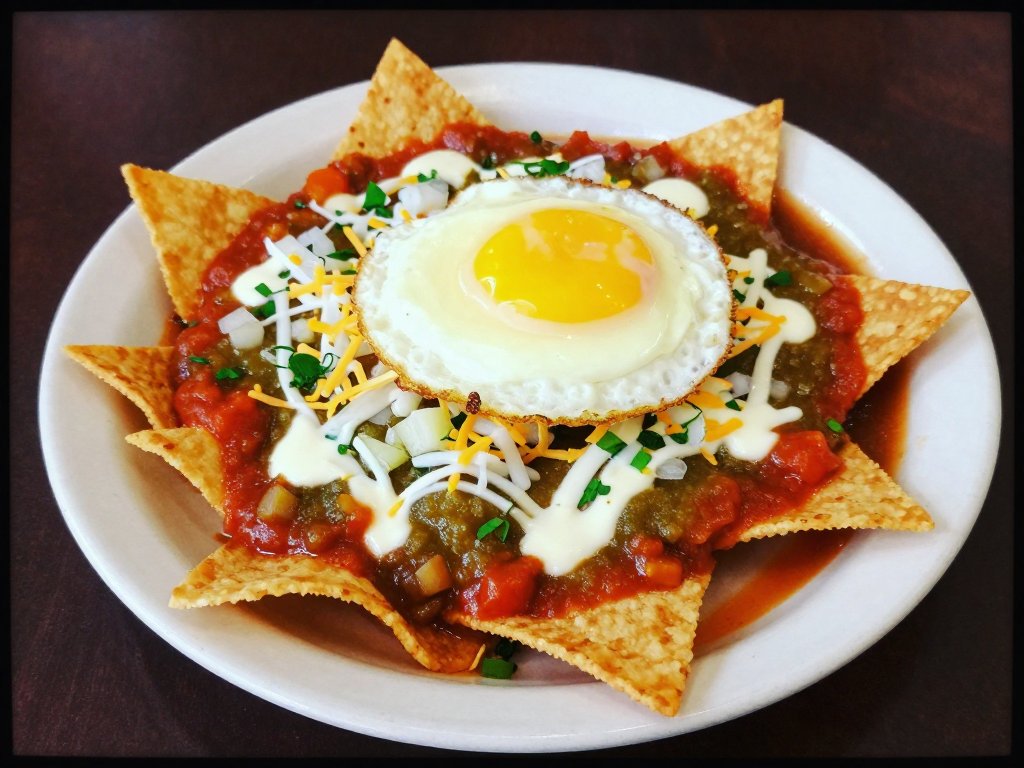
Chilaquiles
Fried tortilla chips simmered in red or green salsa until softened, topped with cream, cheese, onion, and often a fried egg. Mexico's hangover cure.
Appetizers
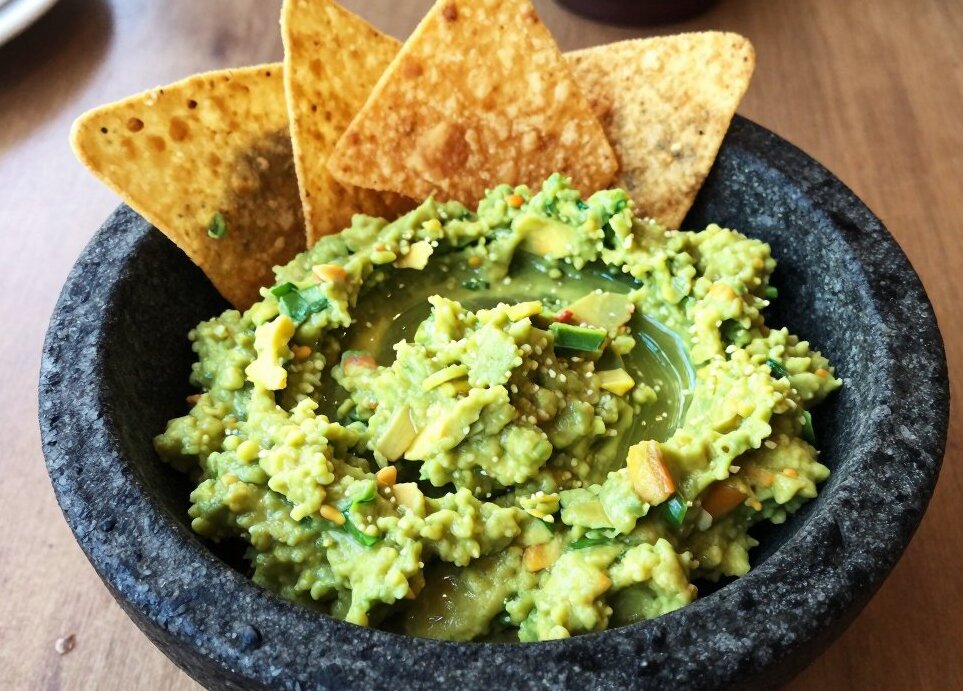
Guacamole
Mashed avocado with lime, salt, onion, cilantro, and serrano chili. In Mexico it's made to order with a molcajete (stone mortar) and served with totopos.
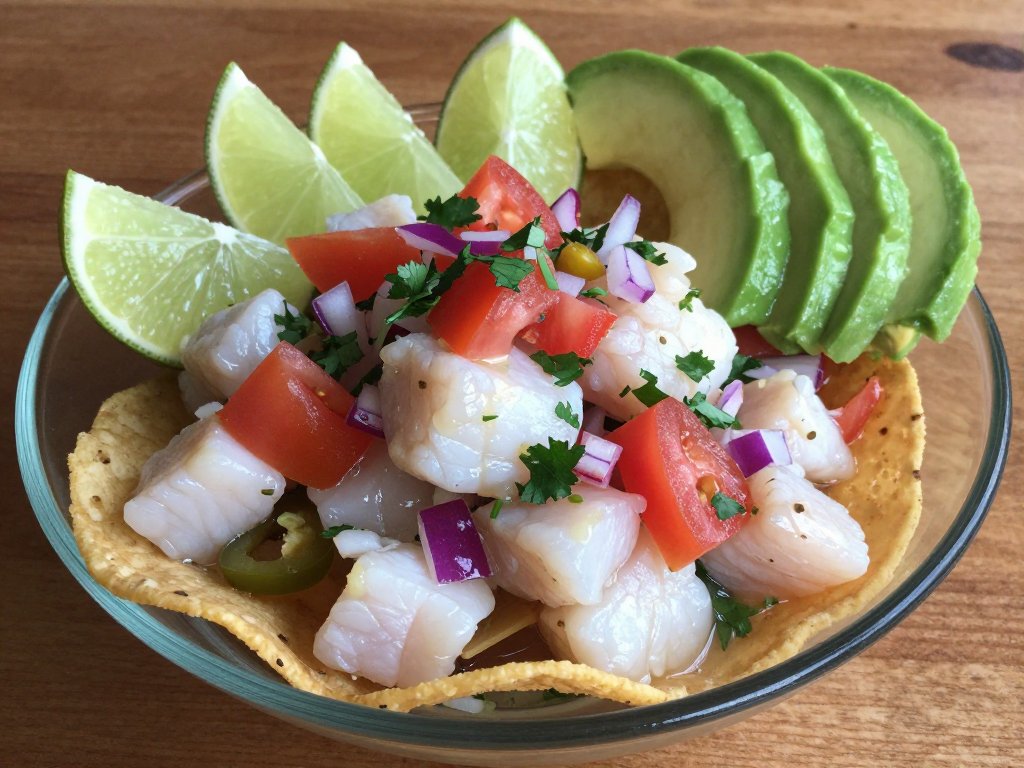
Ceviche
Fresh raw fish or shrimp cured in lime juice with tomato, onion, cilantro, and chili. Coastal cities serve it with tostadas or saltine crackers.
Street Food
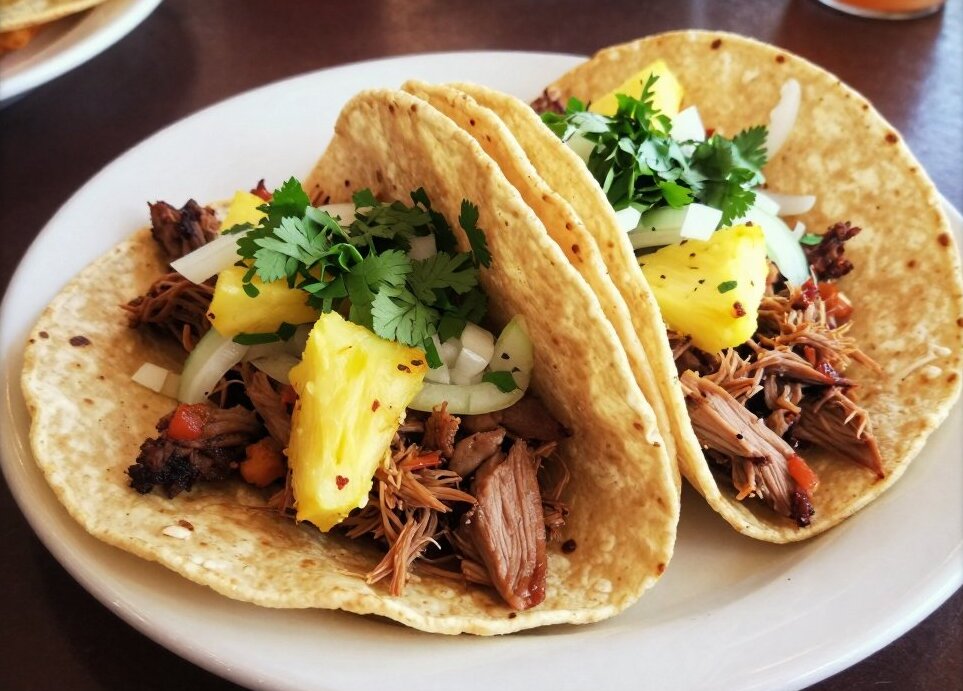
Tacos al Pastor
Pork marinated in achiote and dried chilies, cooked on a vertical spit (trompo), shaved off and served with pineapple, onion, and cilantro on small corn tortillas.
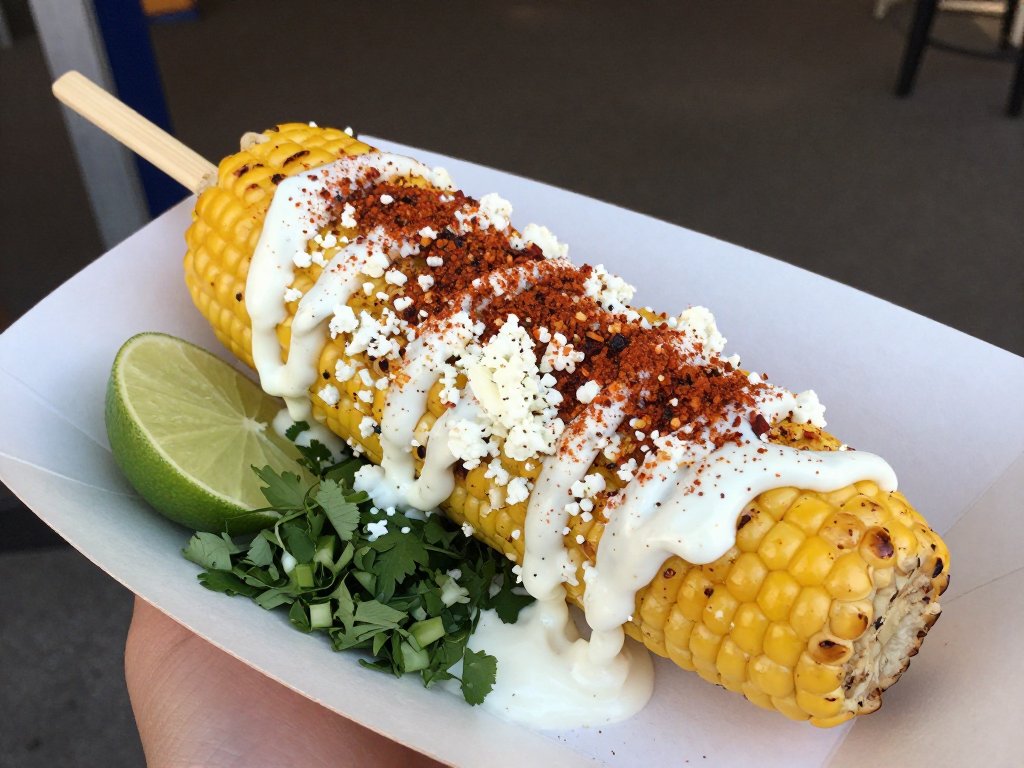
Elote
Grilled corn on the cob slathered with mayo, cotija cheese, chili powder, and lime juice. Esquites is the off-the-cob version served in a cup.
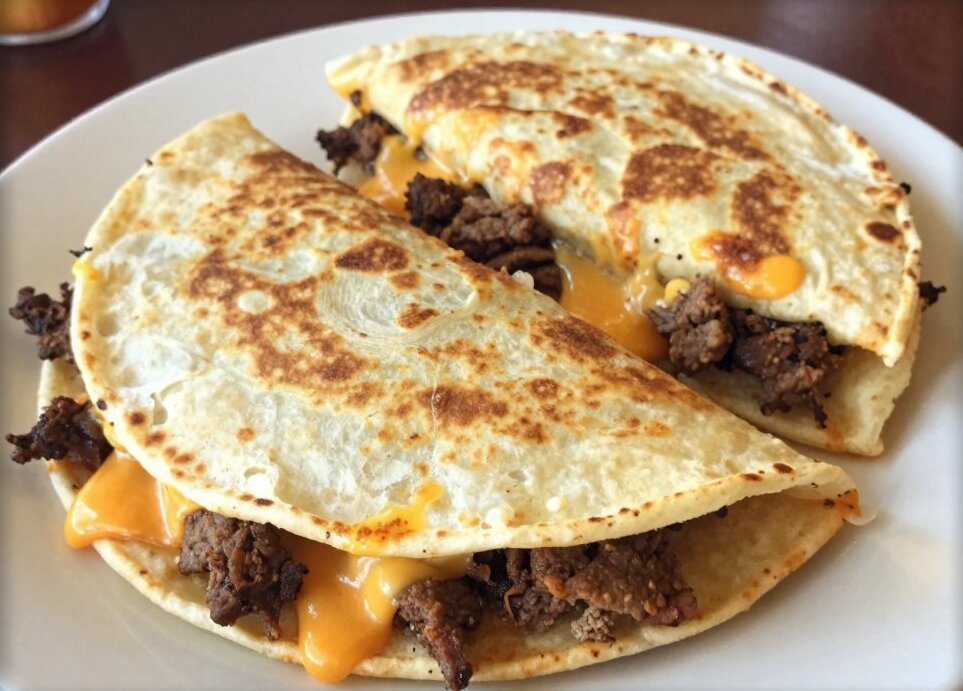
Quesadillas
Corn or flour tortillas folded around melted cheese and optional fillings like huitlacoche, flor de calabaza, or chicharrón. In Mexico City, they may not contain cheese.
Main Courses
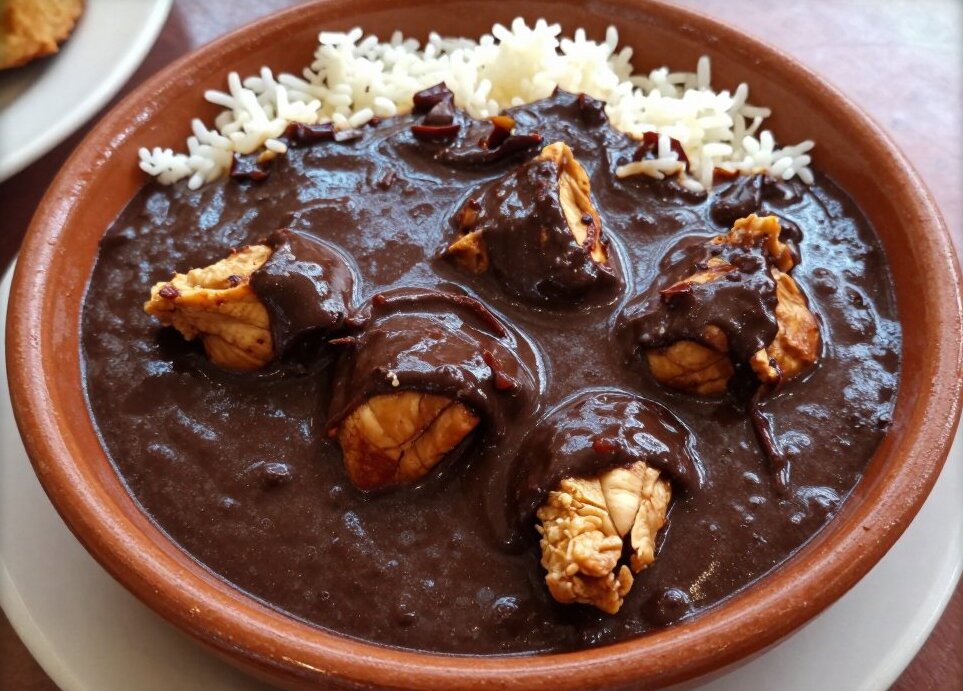
Mole Poblano
Complex sauce made from 20+ ingredients including dried chilies, chocolate, nuts, and spices, slow-cooked for hours. Served over chicken or turkey with rice.
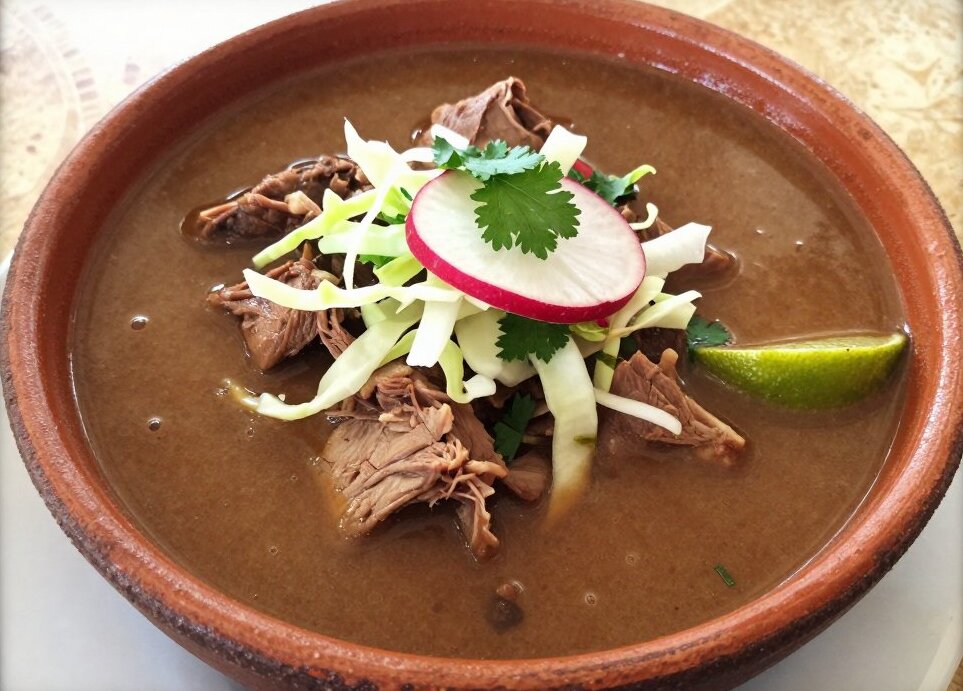
Pozole
Hominy corn soup simmered with pork or chicken in a red, green, or white broth. Served with shredded cabbage, radish, oregano, and lime.
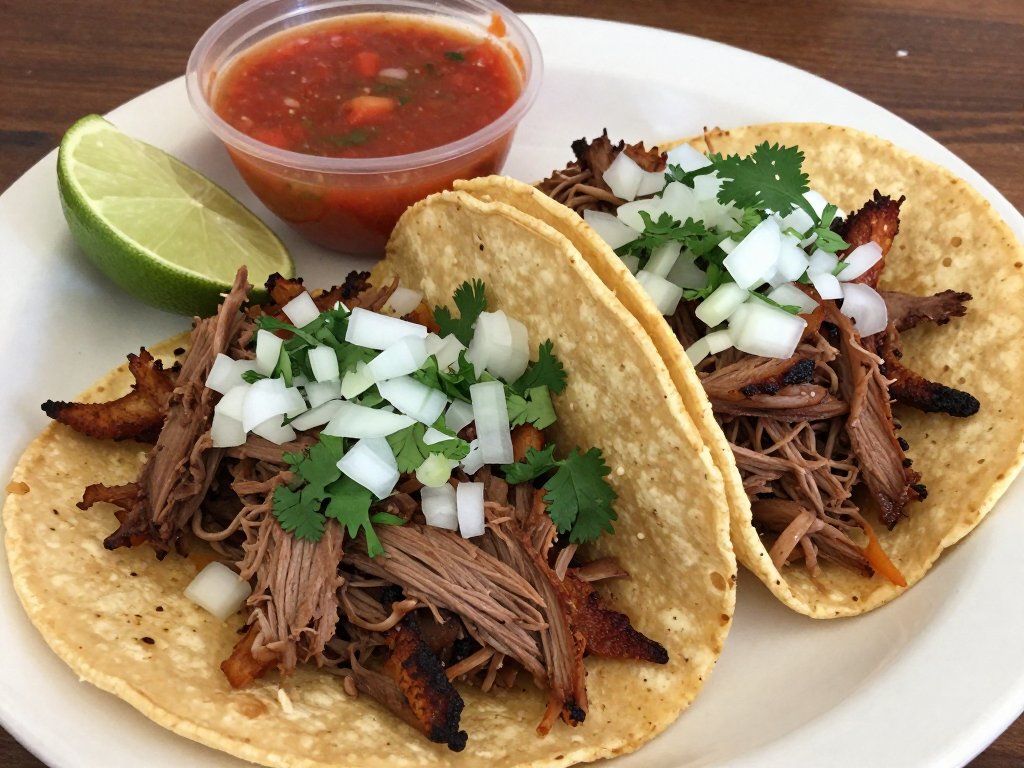
Carnitas
Pork braised and then fried in its own fat until tender and crispy at the edges. Michoacán's specialty, served in tacos with onion, cilantro, and salsa.
Desserts
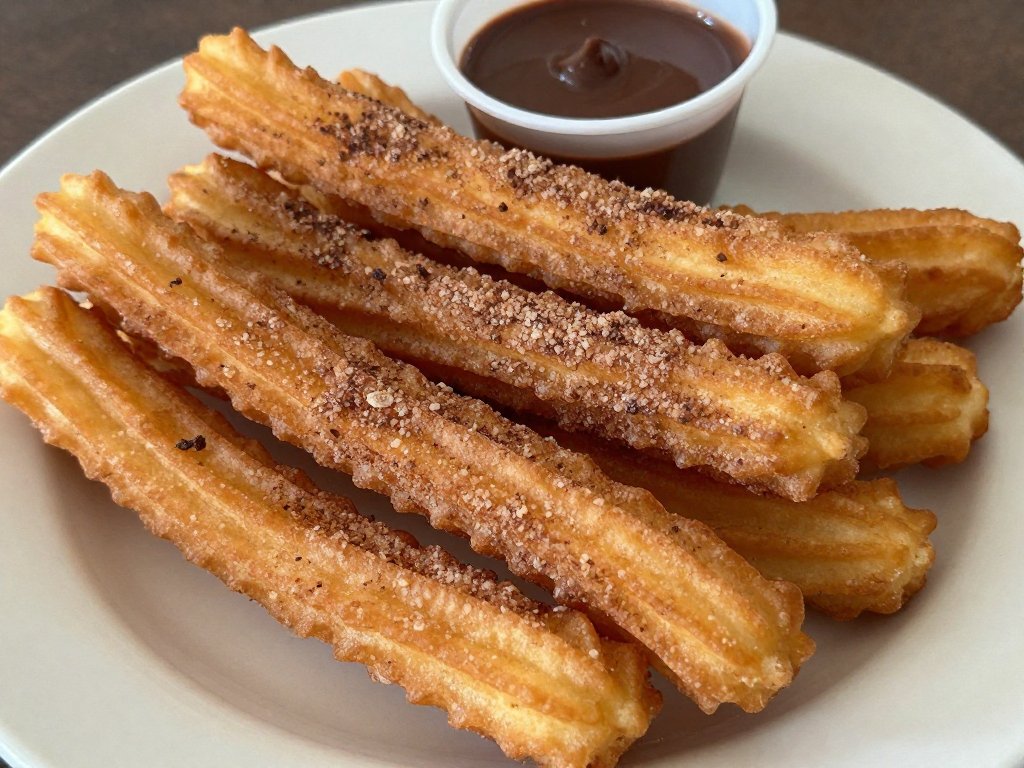
Churros
Fried dough ridged with a star-shaped tip, dusted with cinnamon sugar, and dipped in chocolate sauce or cajeta (goat milk caramel).
Drinks
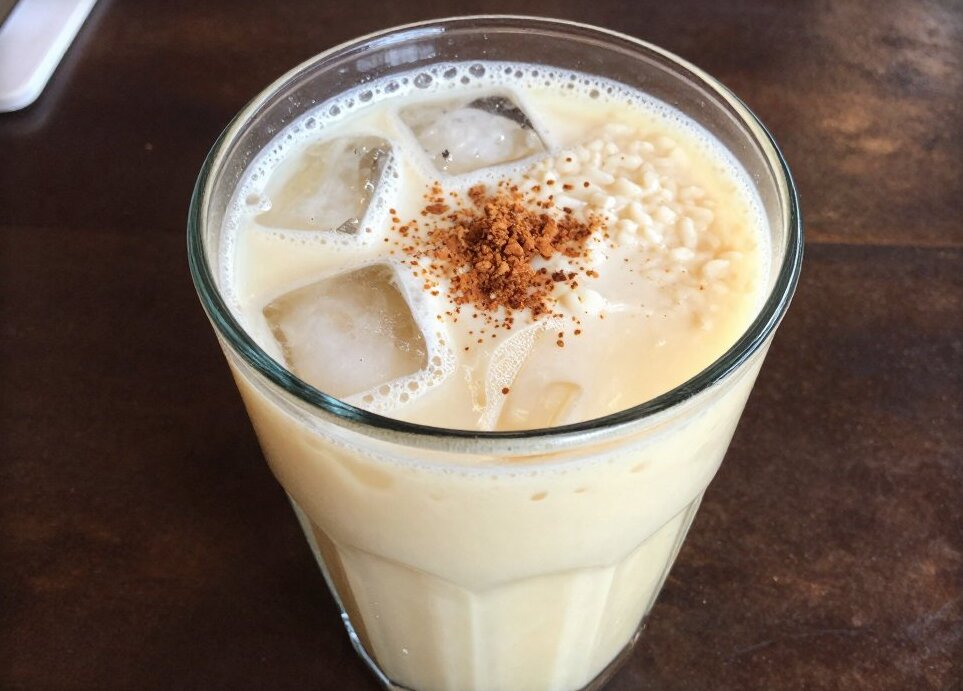
Horchata
Creamy rice-based drink flavored with cinnamon and vanilla, served ice cold. One of several aguas frescas found at every taqueria.
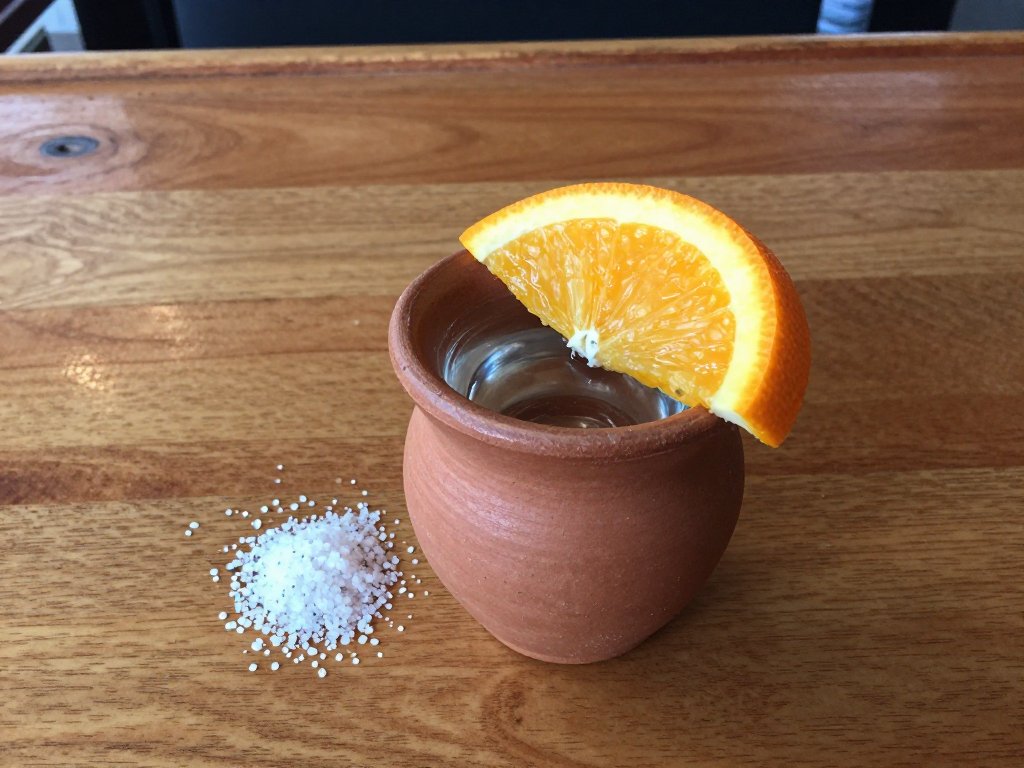
Mezcal
Smoky agave spirit produced primarily in Oaxaca. Sipped neat from a clay copita or jicara, often accompanied by orange slices and sal de gusano (worm salt).
Traveling to Mexico?
Translate any menu instantly with your camera.


Useful Phrases for Dining
Learn these essential phrases to navigate restaurants and food stalls in Mexico.
English
Spanish
Pronunciation
Can I see the menu, please?
¿Me puede dar la carta, por favor?
meh PWEH-deh dar la KAR-tah, por fah-VOR
I'd like to order this, please.
Quiero esto, por favor.
kee-EH-roh EHS-toh, por fah-VOR
Is this very spicy?
¿Esto pica mucho?
EHS-toh PEE-kah MOO-choh
I'm allergic to shellfish.
Soy alérgico/alérgica a los mariscos.
soy ah-LEHR-hee-koh/kah ah lohs mah-REES-kohs
The check, please.
La cuenta, por favor.
lah KWEN-tah, por fah-VOR
Thank you very much.
Muchas gracias.
MOO-chahs GRAH-see-ahs
No meat, please.
Sin carne, por favor.
seen KAR-neh, por fah-VOR
Another one, please.
Otro/otra, por favor.
OH-troh/OH-trah, por fah-VOR
Frequently Asked Questions
Everything you need to know about dining in Mexico.
Tacos al pastor in Mexico City are essential. Look for a trompo (vertical spit) with a pineapple on top. Try mole in Oaxaca or Puebla, tamales for breakfast, chilaquiles at a market fonda, and fresh ceviche on either coast. Street food is where Mexican cooking is at its best, so follow the crowds to the busiest stands.
Never struggle with a foreign menu again
Point your camera at any menu and get instant translations with dish descriptions, dietary info, and more.