
Food to Try in Japan
Japanese Food and the Obsession with Craft
Japanese cooking is built on a principle called "umami," that deep, savory taste that makes a bowl of ramen broth feel impossibly rich, or a piece of aged soy-glazed fish linger on your palate. But what makes eating in Japan different isn't just the flavor. It's the focus. A ramen shop owner might spend twenty years perfecting a single broth. A sushi chef trains for a decade before being allowed to prepare fish for customers. This kind of dedication is the baseline, not the exception.
Japan also has more Michelin-starred restaurants than any other country, including France. But the real story is the other end of the spectrum: the 400 JPY convenience store egg sandwich that is somehow better than most sit-down meals abroad.
How Japanese Dining Works
Restaurant Types
Japan has an enormous variety of restaurant formats, and understanding them makes ordering much easier.
Shokudo are casual all-purpose eateries, often near train stations, serving set meals (teishoku) with rice, miso soup, a main dish, and pickles for 700-1000 JPY. Izakaya are Japanese pubs where you order small shared plates alongside beer and sake, like tapas bars. Most izakaya have a seating charge (otoshi) of 300-500 JPY that comes with a small appetizer you didn't order. This is normal, not a scam.
Ticket machine restaurants (shokkenki) are common for ramen, gyudon, and curry shops. You buy a ticket from a vending machine at the entrance, hand it to the staff, and sit down. No Japanese language skills needed because most machines have photos. If they don't, the top-left button is usually the most popular item, or you can point your phone at the machine with Menu Translator to see what each button actually means before you commit your coins.
Konbini (convenience stores like 7-Eleven, Lawson, and FamilyMart) deserve their own category. Japanese convenience store food is surprisingly good: fresh onigiri, bento boxes, egg sandwiches, fried chicken, and seasonal desserts, all for under 500 JPY. Many travelers eat at least one konbini meal a day without any shame.
Meal Timing
Lunch runs from roughly 11:30 to 14:00 and is when many restaurants offer their best deals. Lunch sets (ranchi setto) at mid-range restaurants often cost half of dinner prices for similar food. Dinner service starts around 17:00-18:00. Late-night options are plentiful in cities. Izakaya stay open until midnight or later, and ramen shops in entertainment districts often serve until 2:00 or 3:00.
Breakfast is the meal tourists struggle with most. Traditional Japanese breakfast includes rice, miso soup, grilled fish, pickles, and natto (fermented soybeans). Hotels that serve Western breakfast will have toast and coffee, but consider trying the Japanese option at least once. It's better than you'd expect once you get past the idea of fish before 8 AM.
Etiquette That Actually Matters
Slurp your noodles. This is not optional politeness. Slurping aerates the broth and noodles together, actually improving the flavor. Eating ramen quietly marks you as a tourist faster than anything else.
Say "itadakimasu" before eating (roughly "I humbly receive") and "gochisousama deshita" after finishing. Use the wet towel (oshibori) provided at restaurants to wipe your hands, not your face. Don't tip. It's not part of Japanese culture and can cause real confusion.
Chopstick rules: never stick them upright in rice (this resembles funeral incense), never pass food chopstick to chopstick (also funeral-related), and don't point with them. When taking food from a shared plate, use the opposite end of your chopsticks.
Japan's Food Regions
Japan's geography creates very different food cultures from north to south.
Tokyo and Kanto
Tokyo is where you'll find everything, but the city has its own identity too. Monjayaki (a runnier cousin of okonomiyaki) is a Tokyo original. Tsukiji Outer Market and Toyosu are still worth visiting for fresh seafood breakfasts. Arrive before 7:00 for the shortest waits. Ramen in Tokyo tends toward shoyu (soy sauce) and niboshi (dried sardine) styles.
The Kanto region generally favors stronger, darker soy sauce flavors compared to western Japan. Even the dashi is different. Tokyo leans on katsuobushi (bonito), while Osaka and Kyoto use more kombu (kelp).
Osaka and Kansai
Osaka calls itself "Japan's kitchen" (tenka no daidokoro), and the claim is earned. This is the street food capital. Takoyaki (octopus balls), okonomiyaki, kushikatsu (deep-fried skewers), and ikayaki (grilled squid) line the stalls of Dotonbori and Shinsekai.
Osaka-style okonomiyaki mixes all ingredients into the batter before cooking, while Hiroshima-style layers them with noodles. Asking which is better is a reliable way to start an argument.
Kyoto's food is the opposite of Osaka's: refined, subtle, and often tied to Buddhist traditions. Kaiseki, the multi-course haute cuisine, originated here. Kyoto is also the place for yudofu (simmered tofu), matcha everything, and tsukemono (pickled vegetables).
Hokkaido
Hokkaido's cold climate and dairy farming produce food unlike the rest of Japan. Sapporo miso ramen (rich, buttery miso broth with corn and butter on top) is a winter essential. Fresh seafood dominates. Uni (sea urchin), ikura (salmon roe), and crab are cheaper and better here than anywhere else in the country. Soup curry, a Sapporo invention, is a thin, spiced curry served with rice on the side.
Kyushu and Okinawa
Hakata (Fukuoka) is where tonkotsu ramen comes from, the milky-white pork bone broth that takes 12+ hours to prepare. Kagoshima has its own ramen and also produces kurobuta (Berkshire pork). Okinawa's food has little in common with the mainland. Champuru (stir-fry with bitter melon and spam), soki soba (pork rib noodle soup), and taco rice show influences from Southeast Asia and American military presence.
Navigating Dietary Restrictions
Vegetarian and Vegan
Let's be direct: Japan is one of the hardest countries for vegetarians to navigate casually. Dashi stock, made from katsuobushi (bonito flakes), is in miso soup, noodle broth, simmered vegetables, tamagoyaki, and many sauces. A dish can look entirely plant-based and still contain fish-derived dashi.
Your best options: shojin ryori (Buddhist temple cuisine) is entirely plant-based and available at temples in Kyoto, Kamakura, and Mount Koya. In Tokyo and Osaka, apps like HappyCow list dedicated vegetarian restaurants. Indian and Nepali curry shops are common throughout Japan and reliably offer vegetarian options.
Learn the phrase "watashi wa bejitarian desu" (I am a vegetarian). Carry an allergy card in Japanese that specifies no meat, fish, or dashi. Several websites offer printable versions. Menu Translator also flags dietary information when you scan a menu, which helps catch hidden ingredients like dashi that you might otherwise miss.
Gluten-Free
Soy sauce (shoyu) contains wheat, and it's used so widely that avoiding it requires real effort. Pure soba noodles are buckwheat-based, but most soba shops add wheat flour, and the dipping sauce is soy-based. Rice dishes, grilled meats with just salt, and sashimi (without soy sauce) are your safest options. Bring your own tamari if you can. It's hard to find in regular Japanese restaurants. Scanning a Japanese menu with Menu Translator helps here too, since it breaks down ingredients for each dish so you can spot hidden wheat before ordering.
Halal
Halal options have expanded since 2020, especially in Tokyo, Osaka, and Kyoto. Areas with international populations like Shin-Okubo in Tokyo have halal-certified restaurants. Several ramen chains now offer halal-certified options. The Halal Gourmet Japan app is useful for finding certified restaurants.
Practical Ordering Tips
Most restaurants display plastic food replicas (sampuru) in their windows. These are accurate representations of what you'll receive, so use them to choose before entering. Many menus have photos. In tourist areas, English menus are increasingly common, though translations can be creative. For everything else, pointing your phone at the menu with Menu Translator gives you full dish descriptions, so you know what "okonomiyaki" actually is before you order it.
At izakaya, ordering works differently than Western restaurants. You'll typically get a drink order first, then order food in rounds. Calling the server with "sumimasen!" (excuse me) is normal and expected. They won't check on you otherwise. Many izakaya now have tablet ordering systems, sometimes with English options. When they don't, the paper menus can be dense walls of kanji. That's where scanning the menu with Menu Translator pays for itself, since you can browse every dish in your own language and figure out what sounds good before the server comes over.
For sushi, the rough hierarchy: kaiten-zushi (conveyor belt, 1000-2000 JPY) for casual meals, counter sushi at mid-range shops (3000-8000 JPY) for a proper experience, and omakase at high-end spots (15,000-50,000 JPY) for a special occasion. At conveyor belt places, grab what looks good from the belt or order directly from the chef. Eat nigiri in one bite if possible, and it's acceptable to use your fingers instead of chopsticks.
Payment in Japan is still heavily cash-based, though this is slowly changing. Carry yen. Some smaller ramen shops and izakaya are cash-only. Paying is done at the register near the entrance, not at your table. Bringing the bill to you is uncommon except at higher-end places.
Cultural Details That Improve the Experience
The phrase "osusume wa nan desu ka?" (what do you recommend?) works well. Japanese chefs and servers take pride in their specialties, and asking for recommendations often gets you something better than what you'd choose yourself.
Seasonal eating (shun) matters a lot. Japanese menus change with the seasons: sakura-flavored everything in spring, cold noodles and kakigori (shaved ice) in summer, matsutake mushrooms and sanma (pike mackerel) in autumn, nabe (hot pot) and oden in winter. Eating what's in season is both cheaper and better. When seasonal specials show up as unfamiliar kanji on a menu, Menu Translator will explain exactly what the dish is so you can take advantage of what's fresh.
If you're in Japan during the morning, visit a depachika, the basement food floors of department stores. These are a lot to take in: counters selling wagashi (traditional sweets), bento boxes, pickles, prepared salads, bread, and pastries, all held to an absurd standard of quality. Depachika at Isetan Shinjuku, Takashimaya, and Daimaru are worth a visit even if you're not hungry.
Finally, vending machines. Japan has roughly 5 million of them, and they sell far more than drinks. Hot canned coffee in winter, cold green tea in summer, and occasionally stranger things. At around 130 JPY per drink, they're the cheapest refreshment available, and Boss Coffee and Georgia canned coffees are favorites among travelers.
Must-Try Dishes in Japan
From street food stalls to fine dining, these are the dishes you should not miss.
Breakfast
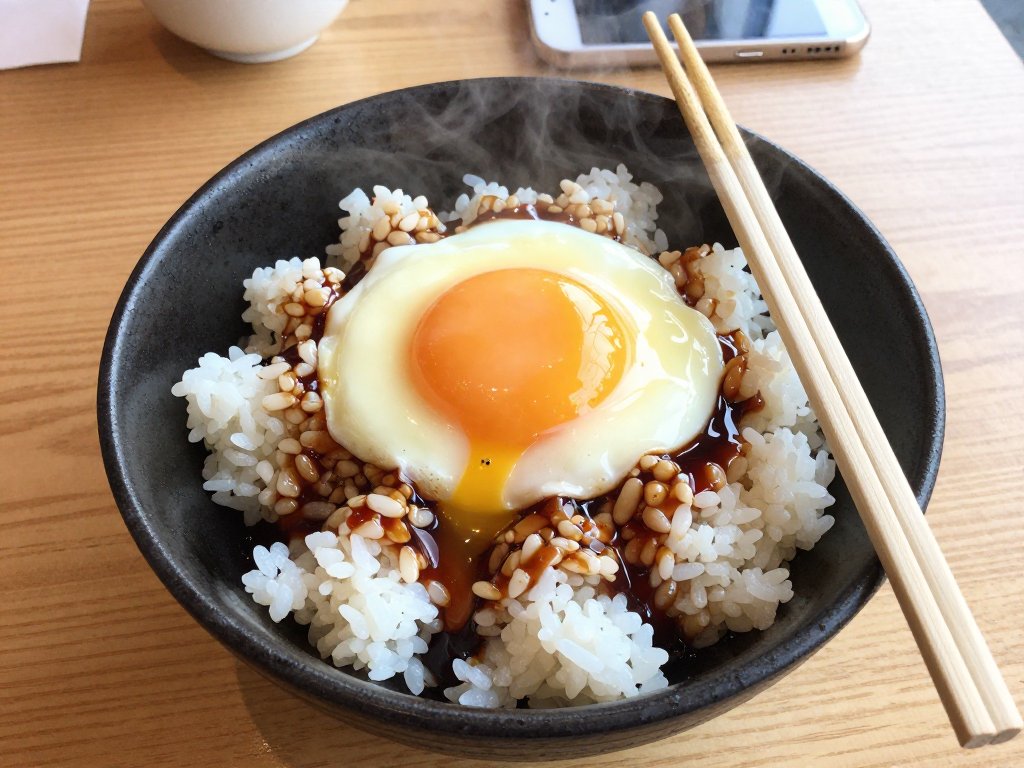
Tamago Kake Gohan
卵かけご飯
Raw egg stirred into hot rice with soy sauce. Japan's most common breakfast, deceptively simple and deeply satisfying.
Appetizers
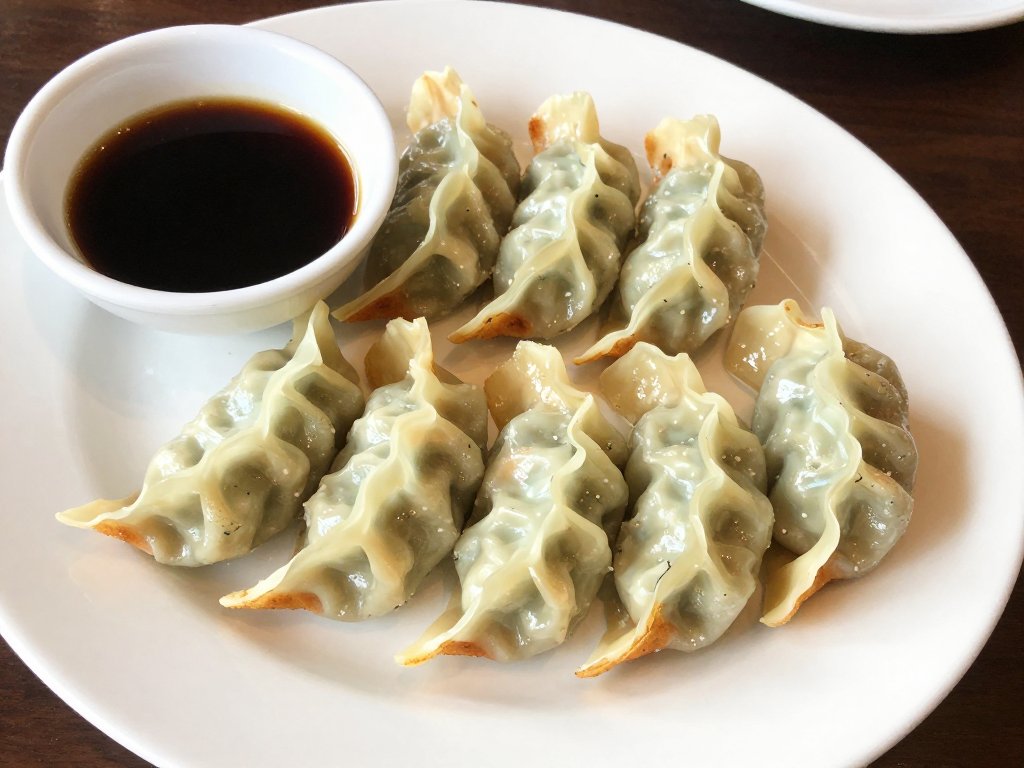
Gyoza
餃子
Pan-fried dumplings with a crispy bottom, filled with seasoned pork and cabbage. Served with soy-vinegar dipping sauce.
Street Food
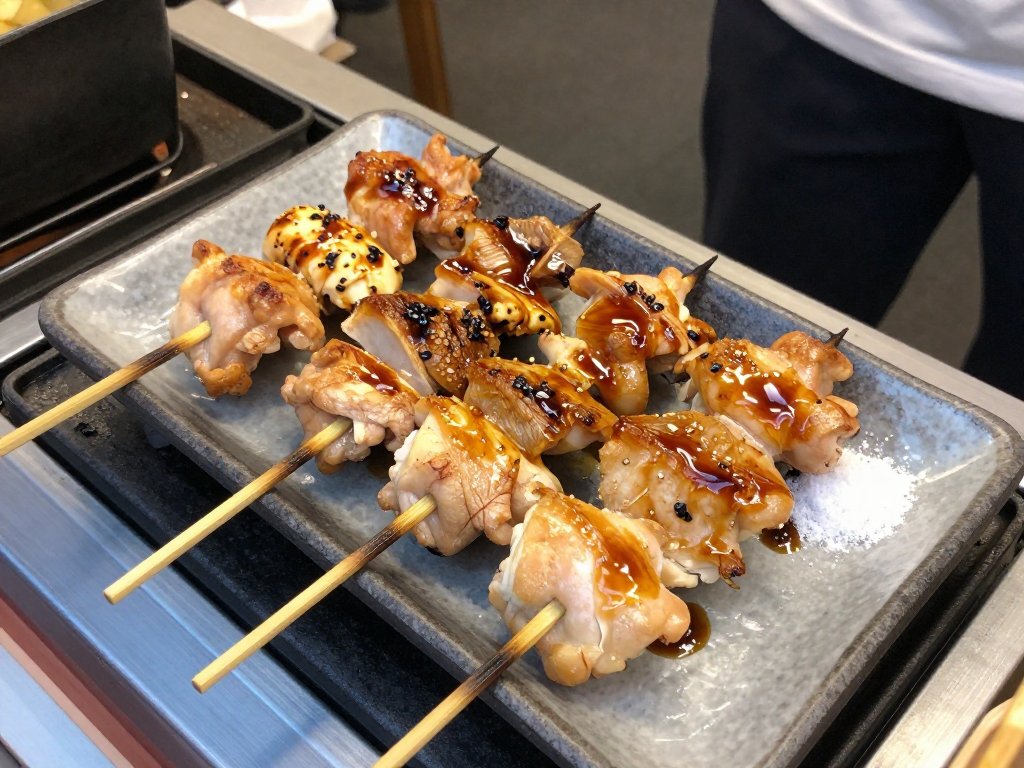
Yakitori
焼き鳥
Skewered chicken grilled over charcoal, seasoned with tare (sweet soy glaze) or shio (salt). Every part of the bird is used.
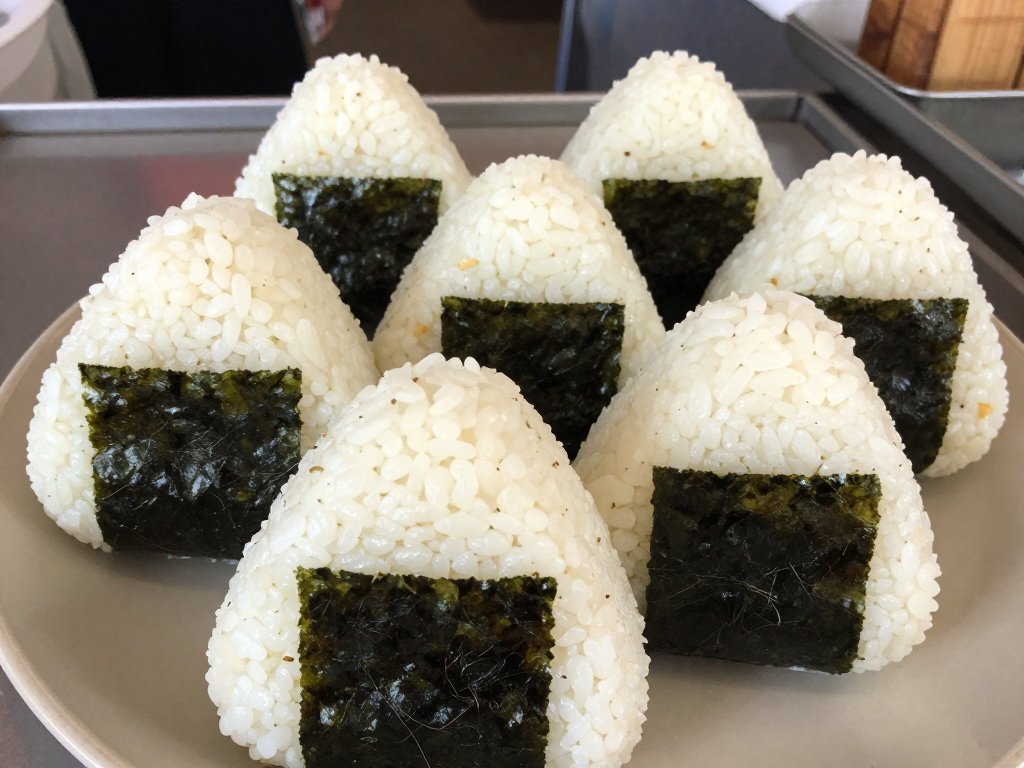
Onigiri
おにぎり
Rice balls shaped by hand, stuffed with fillings like umeboshi, salmon, or tuna mayo, and wrapped in nori seaweed.
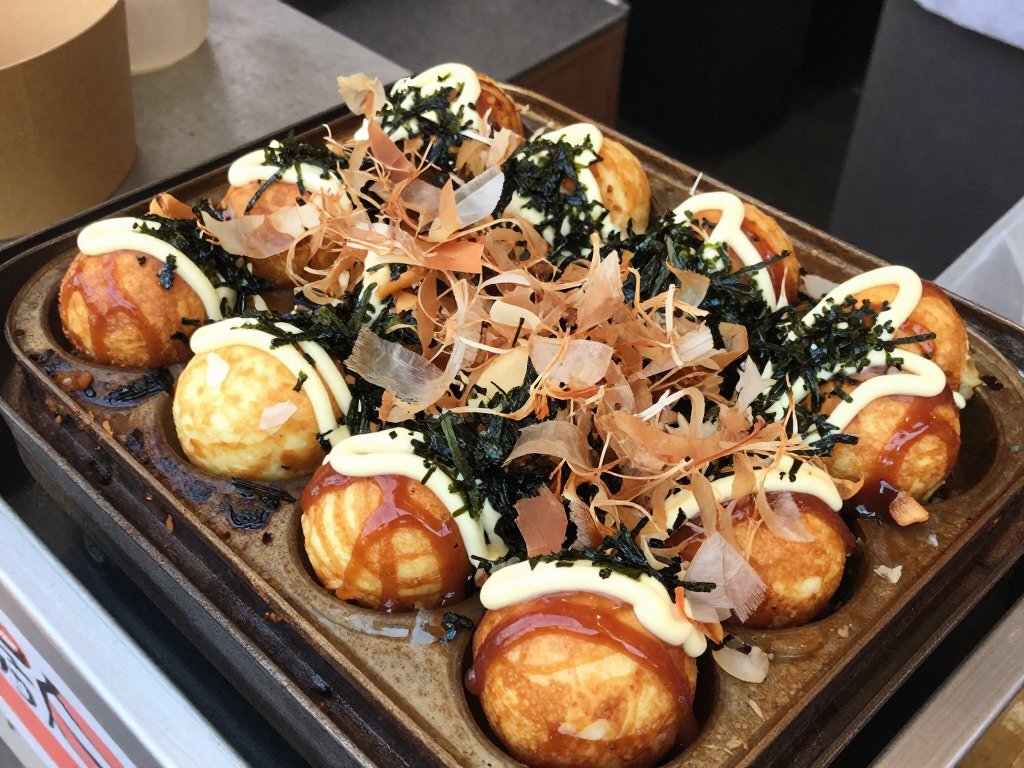
Takoyaki
たこ焼き
Ball-shaped snacks filled with diced octopus, cooked in a special molded pan and topped with sauce, mayo, and bonito flakes.
Main Courses
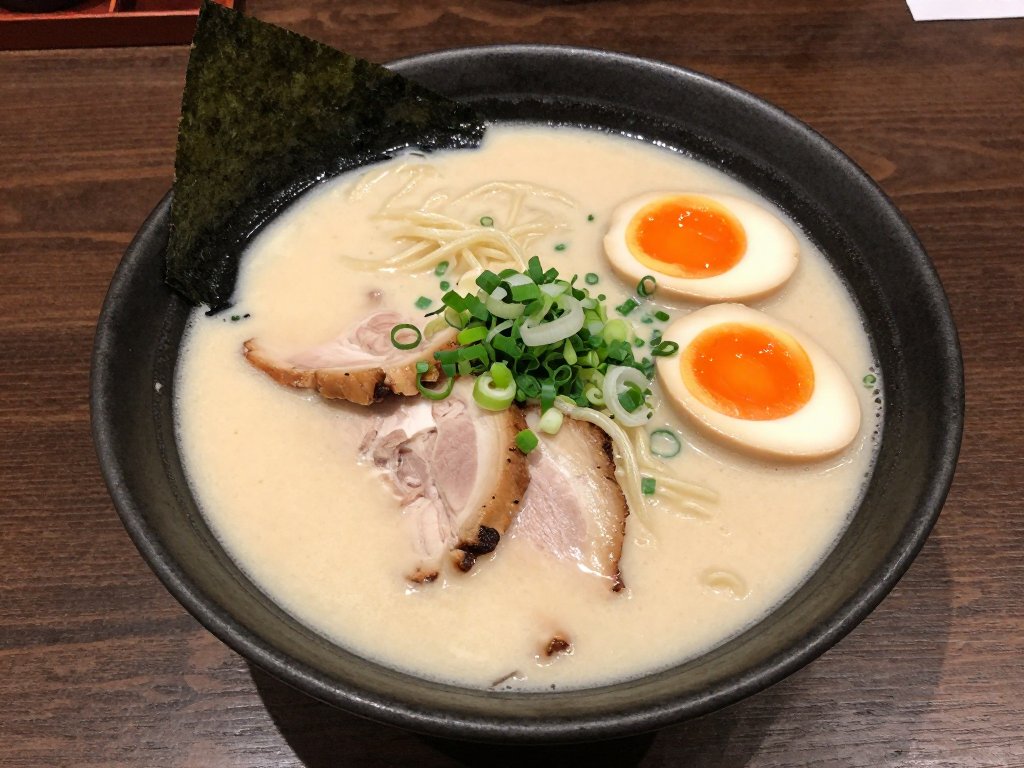
Ramen
ラーメン
Wheat noodles in rich broth. Regional styles range from Hakata's creamy tonkotsu to Tokyo's soy-based shoyu.
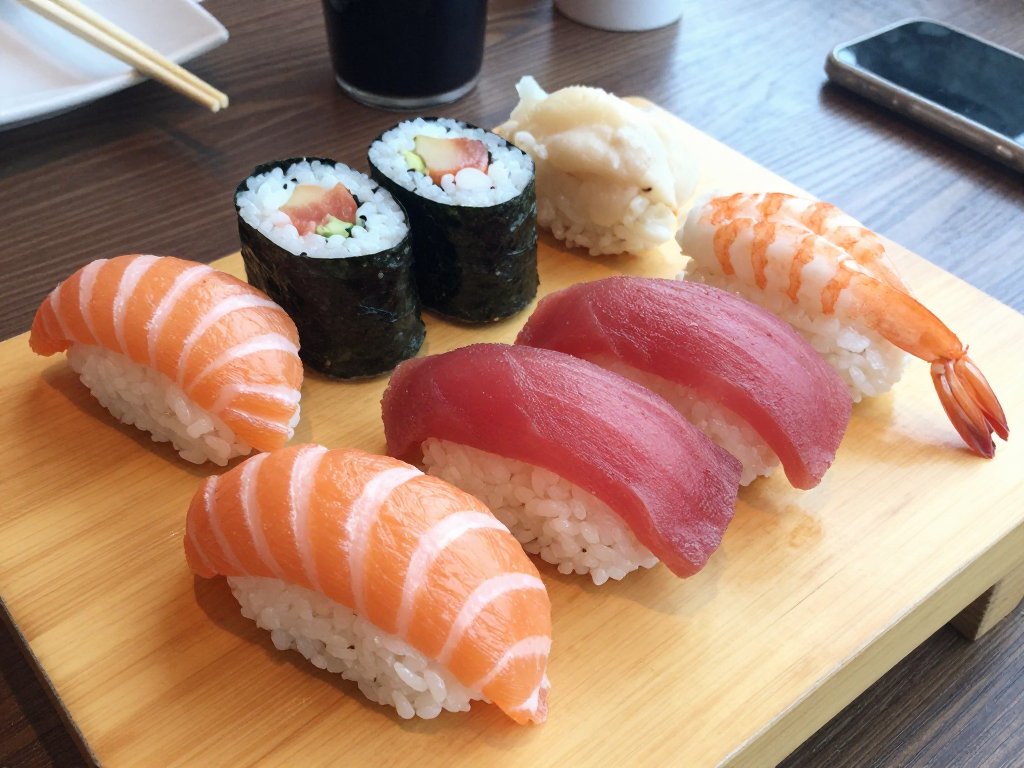
Sushi
寿司
Vinegared rice topped with fresh fish, seafood, or vegetables. Nigiri, maki, and chirashi are the most common styles.
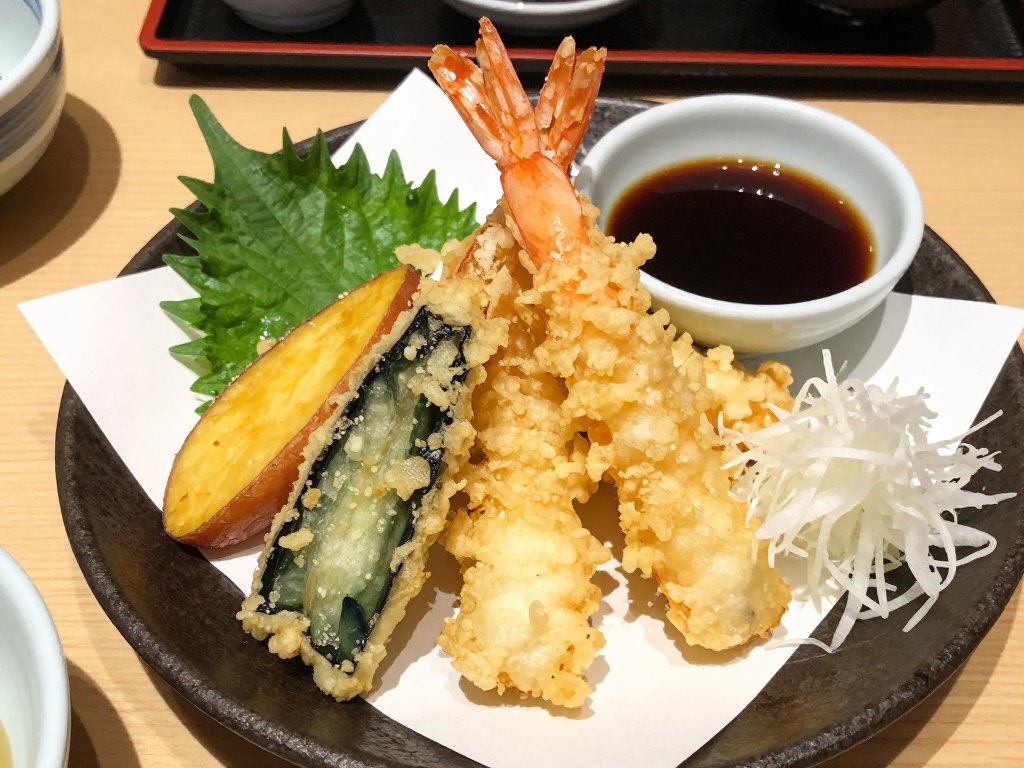
Tempura
天ぷら
Lightly battered and deep-fried seafood and vegetables served with tentsuyu dipping sauce and grated daikon.
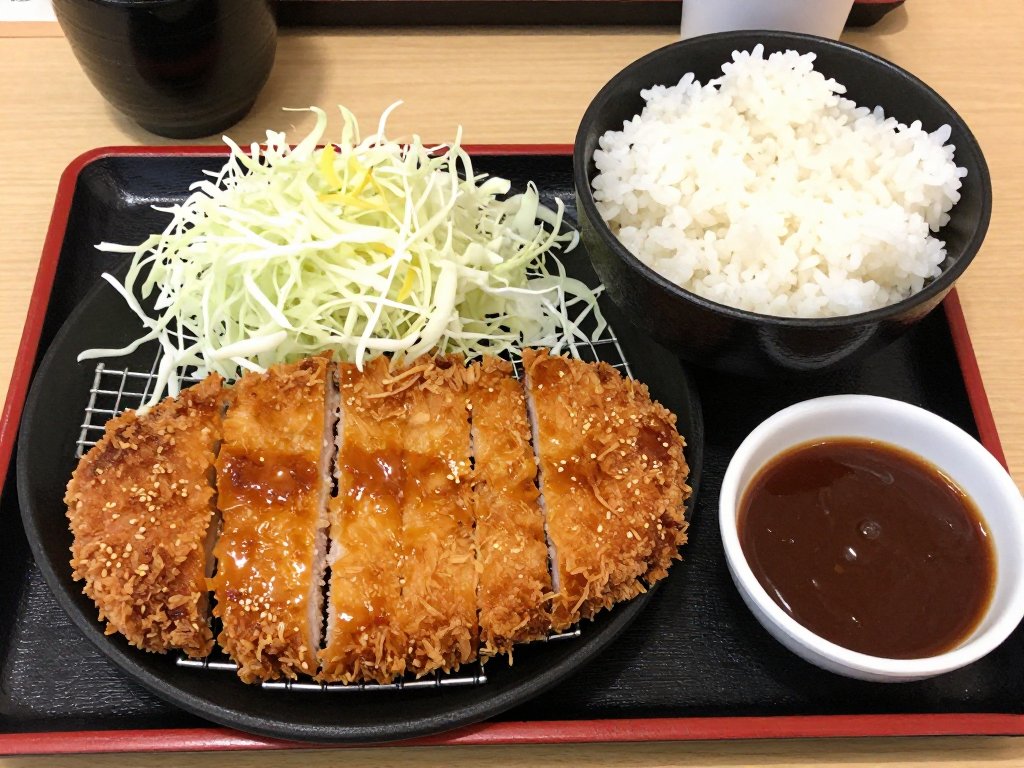
Tonkatsu
とんかつ
Breaded and deep-fried pork cutlet served with shredded cabbage, rice, and a thick sweet-savory sauce.
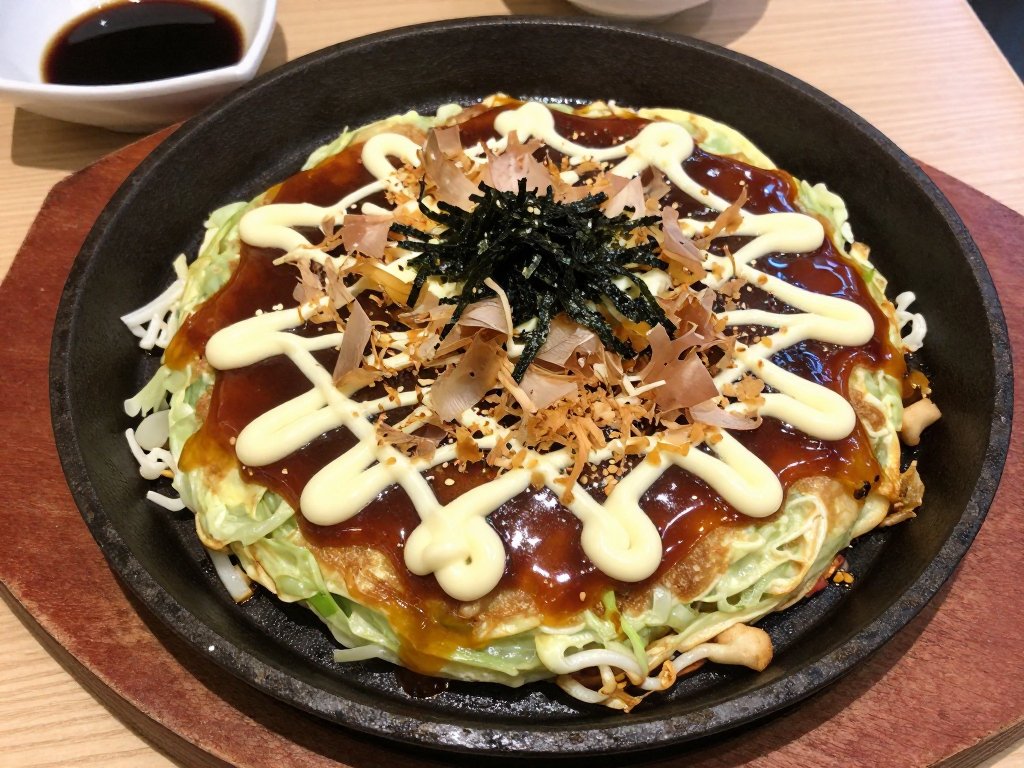
Okonomiyaki
お好み焼き
Savory cabbage pancake loaded with your choice of meat, seafood, and toppings. Osaka and Hiroshima have competing styles.
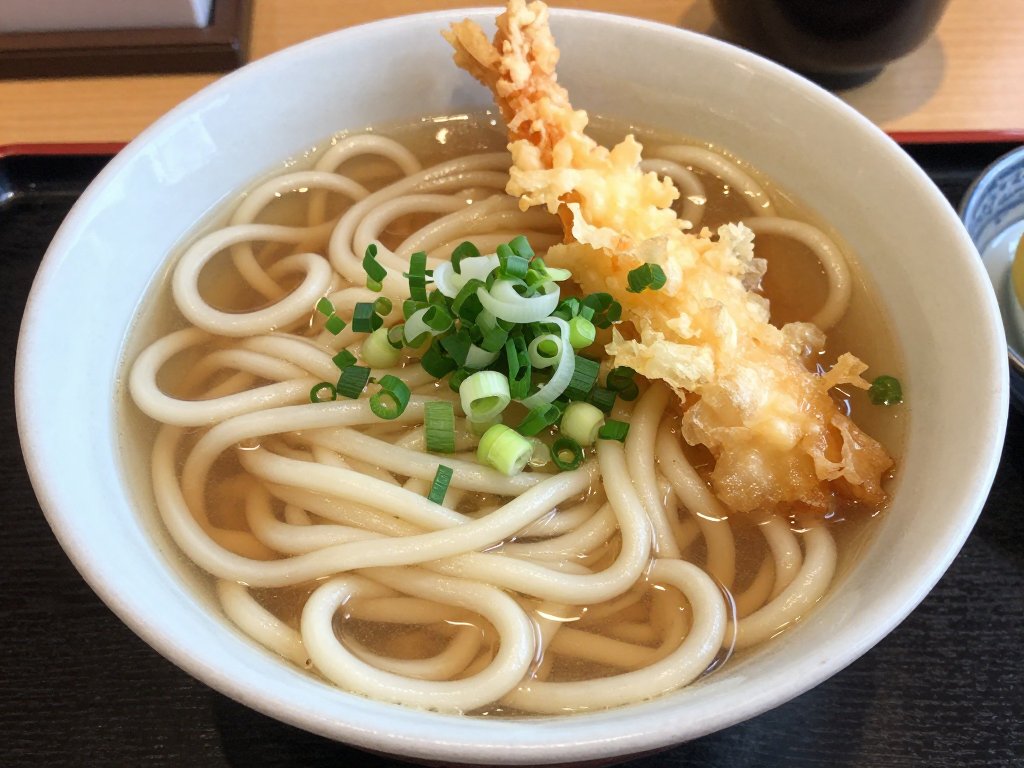
Udon
うどん
Thick, chewy wheat noodles served in dashi broth or cold with dipping sauce. Sanuki udon from Kagawa is the most famous.
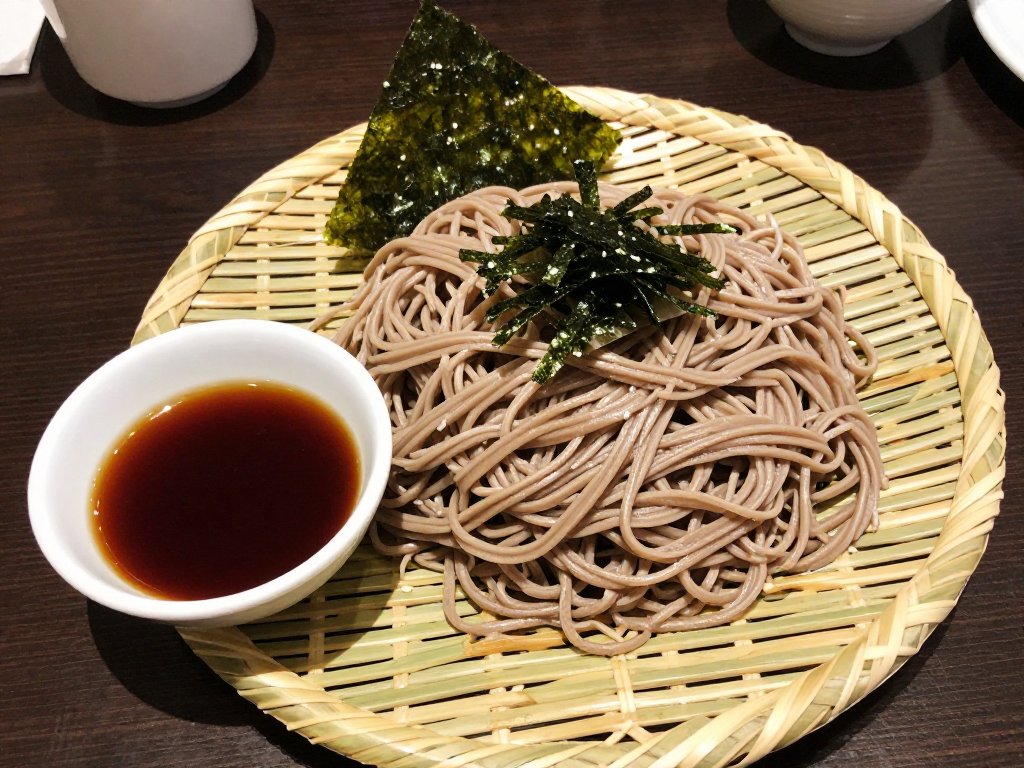
Soba
そば
Thin buckwheat noodles served hot in broth or chilled on a bamboo mat with tsuyu dipping sauce.
Desserts
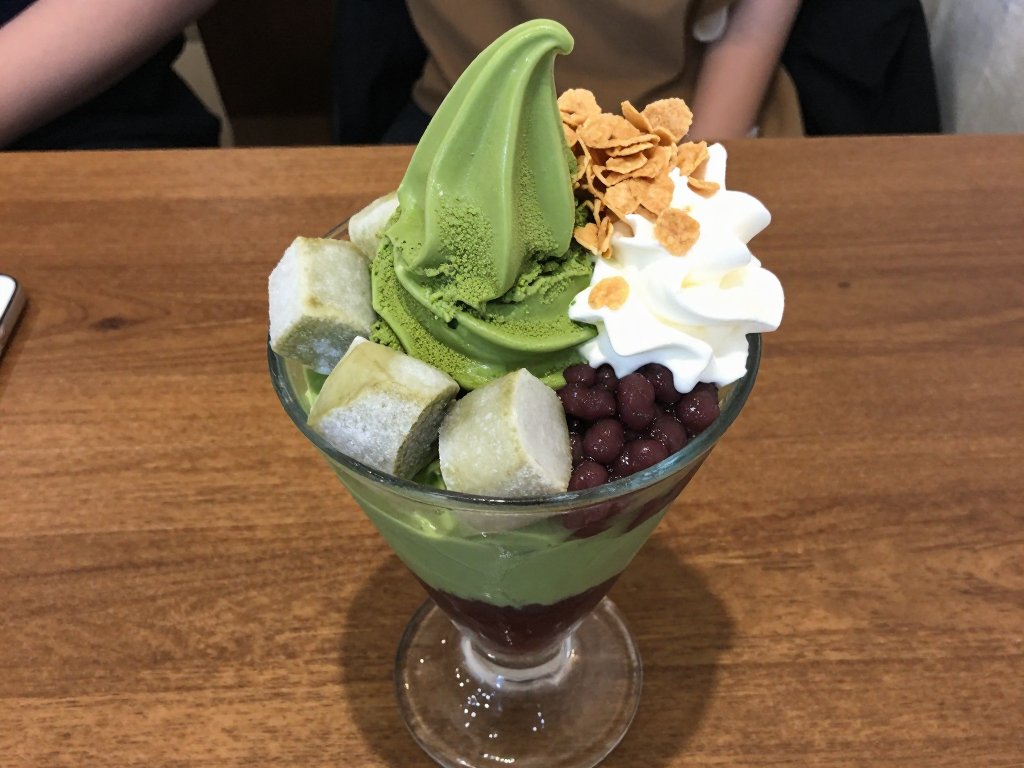
Matcha Parfait
抹茶パフェ
Layered dessert with matcha ice cream, mochi, red bean paste, whipped cream, and cornflakes. A Kyoto specialty.
Drinks
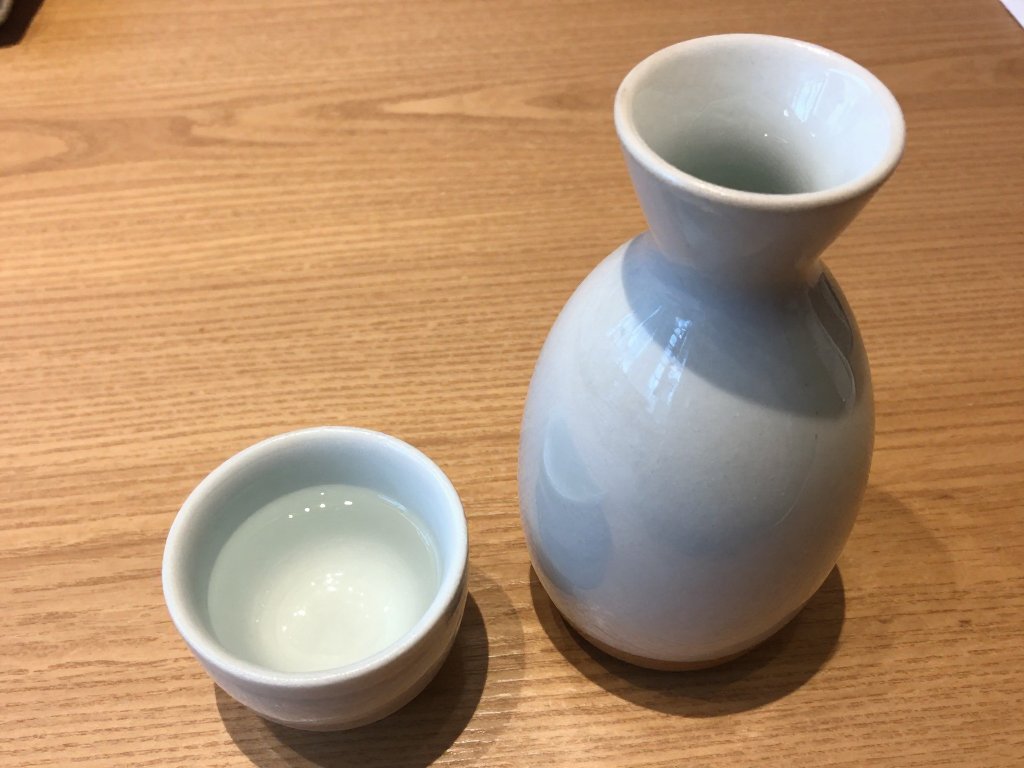
Sake
日本酒
Rice wine brewed in styles ranging from dry junmai to fragrant ginjo. Served warm, room temperature, or chilled.
Traveling to Japan?
Translate any menu instantly with your camera.


Useful Phrases for Dining
Learn these essential phrases to navigate restaurants and food stalls in Japan.
English
Japanese
Pronunciation
Can I see the menu, please?
メニューを見せてください
menyuu wo misete kudasai
I'll have this one, please.
これをください
kore wo kudasai
Does this contain meat?
これはお肉が入っていますか?
kore wa oniku ga haitte imasu ka?
I have a food allergy.
食物アレルギーがあります
shokumotsu arerugii ga arimasu
The bill, please.
お会計お願いします
okaikei onegai shimasu
Thank you for the meal.
ごちそうさまでした
gochisousama deshita
One beer, please.
ビール一つください
biiru hitotsu kudasai
This is delicious!
美味しいです!
oishii desu!
Frequently Asked Questions
Everything you need to know about dining in Japan.
Start with ramen, sushi, and tempura as essentials. Branch out into tonkatsu, yakitori, and okonomiyaki for a broader experience. Every region has its own specialties, so try local dishes wherever you travel. Osaka's street food, Hokkaido's seafood, and Kyoto's refined kaiseki are all worth seeking out.
Never struggle with a foreign menu again
Point your camera at any menu and get instant translations with dish descriptions, dietary info, and more.