
Food to Try in Italy
Italian Food Beyond the Stereotypes
Everyone thinks they know Italian food. Pasta, pizza, espresso. How complicated can it be? The answer is: deceptively so. Italian cooking depends on fewer ingredients than almost any other major cuisine, which means every single one has to be excellent. A carbonara is four ingredients. If your guanciale is mediocre or your Pecorino is the wrong age, you don't have a bad carbonara. You have a completely different dish.
The other thing that surprises first-time visitors is how intensely regional the food is. There's no such thing as "Italian food" in the way Italians see it. There's Roman food, Neapolitan food, Bolognese food, Sicilian food, and dozens of other micro-traditions that have been arguing with each other for centuries. Putting cream in carbonara isn't just wrong in Rome; it's personally offensive. Ordering a cappuccino after lunch isn't illegal, but the waiter will judge you.
How Italians Actually Eat
The Meal Structure
A traditional Italian meal has a specific progression: antipasto (starters), primo (first course, usually pasta, risotto, or soup), secondo (second course, meat or fish, served alone), contorno (side vegetable, ordered separately), dolce (dessert), and caffè (espresso). Nobody eats all of these courses at every meal. At lunch, most Italians order a primo or a secondo, not both. Full multi-course meals are for Sunday lunch with family, holidays, and special occasions.
Ordering only a primo at dinner is perfectly acceptable, especially at trattorias. If you want a full meal, the classic combination is one primo and one secondo to share across the table. If the menu groups dishes by course and you're not sure what falls where, Menu Translator doesn't just translate the names -- it explains what each dish actually is, so you can tell your primi from your secondi.
Meal Timing
Colazione (breakfast) is minimal: a cornetto and caffè at a bar between 7:00 and 9:00, usually standing up. Italian breakfast is sweet, never savory. Don't look for eggs and bacon.
Pranzo (lunch) is traditionally the main meal, served 12:30-14:30. Many restaurants offer a menu del giorno or formule, a fixed-price lunch with a primo, secondo, water, and sometimes wine for 10-15 EUR. This is the best value in Italian dining.
Cena (dinner) starts late. Before 19:30, you'll be eating alone or with other tourists. Italians sit down to dinner at 20:00-21:00, and in the south, even later. Restaurants that are open at 18:00 are catering to foreigners.
Aperitivo happens between 18:00 and 20:00 and is one of Italy's best eating traditions. You buy a drink (Aperol Spritz, Negroni, or a glass of wine for 5-10 EUR) and receive free snacks, sometimes just chips and olives, sometimes an entire buffet of pasta, bruschetta, and cold cuts. Milan and Turin do aperitivo best. Some places serve enough food that aperitivo replaces dinner, a practice called "apericena."
Restaurant Types
Ristorante is formal, with tablecloths and higher prices. Trattoria is casual, family-run, often with handwritten menus and better food at lower prices. When that handwritten menu is entirely in Italian (and the best ones usually are), Menu Translator can read it for you. Just point your camera and you'll see each dish described in your language. Osteria was historically the simplest (just wine and basic food), though the name is now used by restaurants of all levels. Pizzeria is specifically for pizza, though most also serve fried starters and simple salads. Enoteca is a wine bar that serves food to accompany wine.
Tavola calda (hot table) is a counter-service spot with pre-prepared dishes behind glass. Point, pay, and eat. Perfect for a quick, cheap lunch. Pizza al taglio shops sell pizza by weight from rectangular trays. Point at the slice you want, they cut it, weigh it, and wrap it in paper. Expect to pay 2-5 EUR for a satisfying piece.
Regional Eating
Rome and Lazio
Roman cuisine is aggressively simple. The four canonical pasta dishes (carbonara, cacio e pepe, amatriciana, and gricia) use nearly identical ingredients in different combinations. The Roman artichoke (carciofo alla romana, braised, or carciofo alla giudia, deep-fried Jewish-style) is a spring specialty worth planning a trip around.
Eat in Trastevere, Testaccio (the traditional food neighborhood), or the streets around Campo de' Fiori. Avoid the restaurants immediately surrounding the Colosseum, the Trevi Fountain, and Piazza Navona. Tourist markup is severe. Walk five minutes in any direction and prices drop by half, and if the menu at the local trattoria is only in Italian, that's a good sign. Use Menu Translator to read it and you'll eat far better for far less.
Supplì (fried rice balls) from a pizza al taglio shop make a great afternoon snack for about 1.50-2.50 EUR each.
Naples and Campania
Naples is where pizza was invented, and the city takes this fact very seriously. A Neapolitan pizza has a puffy, charred cornice (rim), a soft center that you fold to eat, San Marzano tomatoes, fior di latte or buffalo mozzarella, and is cooked in a wood-fired oven at 450°C for about 90 seconds. The two classics, marinara (tomato, garlic, oregano, olive oil, no cheese) and margherita, cost 4-7 EUR.
Beyond pizza: ragù napoletano is a slow-cooked meat sauce entirely different from Bologna's version. Sfogliatella (a ridged shell-shaped pastry filled with ricotta) and babà (a rum-soaked cake) are the Neapolitan pastries to try. The street food scene includes cuoppo (a paper cone of fried seafood or vegetables) and pizza fritta (fried pizza dough stuffed with ricotta and cicoli).
Bologna and Emilia-Romagna
This region is Italy's pantry. Parmigiano-Reggiano, prosciutto di Parma, balsamic vinegar from Modena, and mortadella all come from here. The local ragù (what the rest of the world incorrectly calls "Bolognese") is served on tagliatelle, never spaghetti. Tortellini in brodo (small stuffed pasta in clear broth) is the Christmas dish and available year-round. Crescentine (fried dough) with cold cuts is the local aperitivo snack.
Sicily
Sicilian food reflects centuries of Arab, Norman, Greek, and Spanish influence. Arancine (fried rice balls, bigger and more elaborate than Roman supplì), pasta alla Norma (with eggplant and ricotta salata), and granita with brioche for breakfast are the essentials. Cannoli (ricotta-filled fried pastry tubes) are a Sicilian invention, and the version you get in Palermo with fresh ricotta tastes nothing like the pre-filled versions sold elsewhere.
Milan and Lombardy
Milanese cooking is richer and more butter-heavy than the south. Risotto alla Milanese (saffron risotto), cotoletta alla Milanese (breaded veal cutlet, the original schnitzel if you ask the Milanese), and osso buco are the classics. Milan is also the best city for aperitivo: Navigli district and Brera have dozens of bars where 8-10 EUR buys a cocktail and access to substantial food spreads.
Dietary Restrictions
Vegetarian
Italy works well for vegetarians. Every restaurant has pasta dishes, risotto, pizza, and vegetable antipasti that are meat-free by default. Eggplant parmigiana, caprese salad, pasta e fagioli, ribollita, and many others are standard. The only watch-out: some dishes that look vegetarian contain hidden animal products. Pesto traditionally includes Parmigiano-Reggiano (which uses animal rennet), some pasta is made with egg, and pancetta or lard occasionally appear in bean soups. Menu Translator flags dietary info and ingredients for each dish, so you can spot these hidden non-vegetarian items before you order.
Vegan
Tougher. Cheese, butter, and eggs are structural elements of Italian cooking, not afterthoughts. In cities, dedicated vegan restaurants exist and are increasing. Elsewhere, you'll need to ask "senza formaggio, senza burro, senza uova" (without cheese, butter, eggs). Scanning the menu with Menu Translator first helps you identify which dishes are closest to vegan-friendly before you start negotiating modifications with the waiter. Southern Italian cuisine is more naturally vegan-friendly, with many vegetable dishes, pasta with tomato sauce, and olive oil-based cooking.
Gluten-Free
Italy has one of the highest rates of diagnosed celiac disease in Europe, which means awareness is excellent. By law, Italian restaurants must be able to accommodate celiac customers. Many restaurants stock gluten-free pasta. Risotto is naturally gluten-free. Pizzerias increasingly offer gluten-free crust options. Look for the "AIC" (Italian Celiac Association) logo on restaurant doors, which means they're certified.
Tips for Eating Well in Italy
The single best advice: eat where Italians eat. If the menu is only in Italian, the photos on the wall are of someone's grandmother, and the tablecloths are paper, you're probably in the right place. If the menu is in six languages with photos of every dish and a tout is standing outside beckoning you in, keep walking. An Italian-only menu shouldn't scare you off the best restaurants. Scan it with Menu Translator and you'll understand every dish, which means you can eat at the places tourists usually walk past.
Order house wine (vino della casa). It comes in a carafe (a quarter, half, or full liter) and costs 4-8 EUR for a half liter. In most trattorias, it's perfectly drinkable local wine and absurdly cheap by international standards.
Bread arrives automatically and is covered by the coperto charge. Olive oil for dipping is not an Italian tradition. That's American. Italians eat bread plain or use it to mop up sauce at the end, called "fare la scarpetta" (making the little shoe).
Coffee rules: cappuccino only in the morning. After noon, order caffè (espresso) or caffè macchiato (espresso with a drop of milk). Ordering a latte gets you a glass of plain milk. A caffè at the bar (standing) costs 1.00-1.50 EUR; sitting at a table, especially in a piazza, can cost 3-6 EUR for the same drink. This isn't a scam. You're paying for the seat, the view, and the right to sit as long as you want.
Must-Try Dishes in Italy
From street food stalls to fine dining, these are the dishes you should not miss.
Breakfast
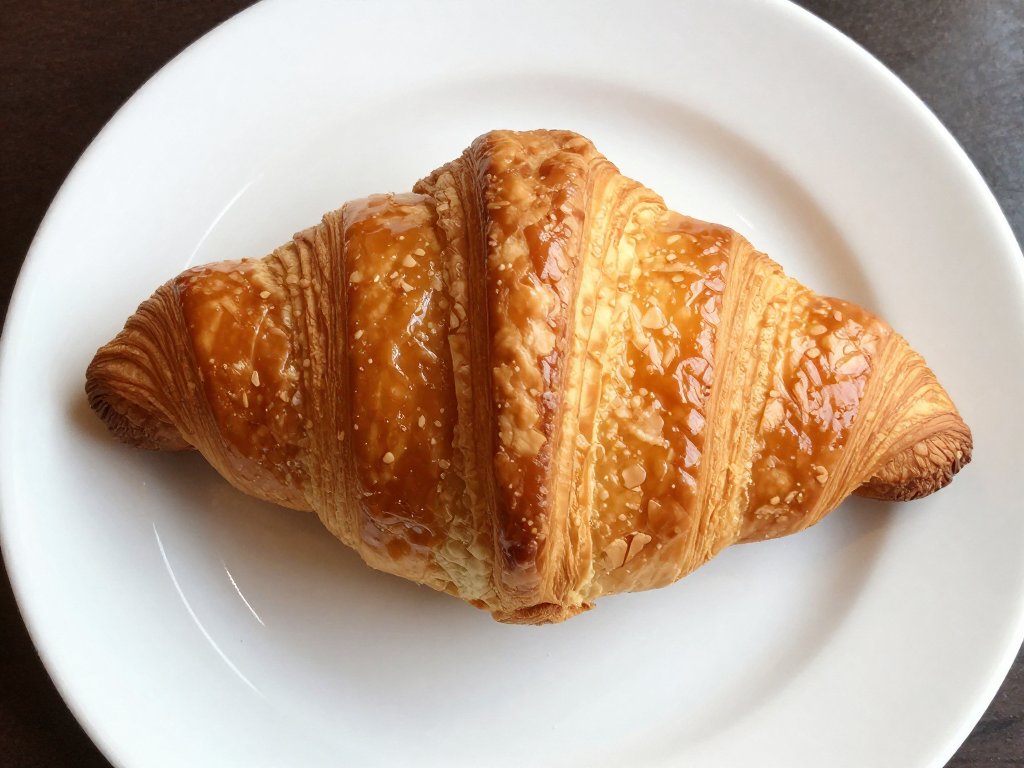
Cornetto
Italy's answer to the croissant, lighter and less buttery, often filled with custard, jam, or Nutella. The standard Italian breakfast alongside a caffè.
Appetizers
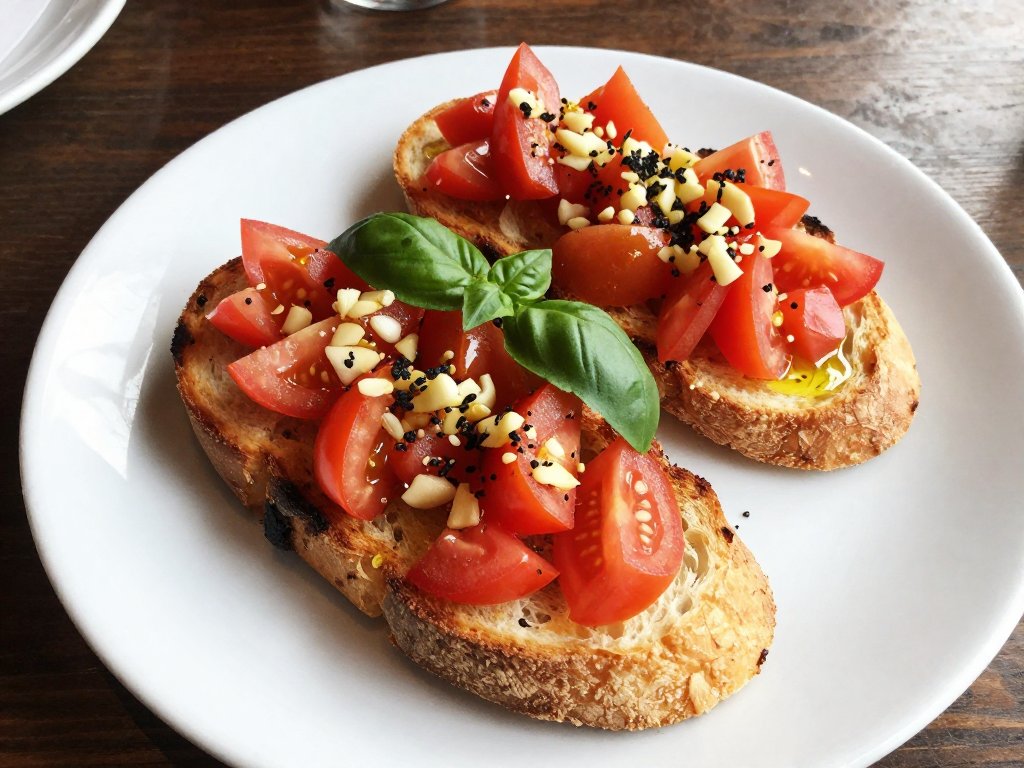
Bruschetta
Grilled bread rubbed with garlic and topped with chopped tomatoes, basil, and olive oil. Pronounced 'broo-SKET-tah,' not 'broo-SHET-tah.'
Street Food
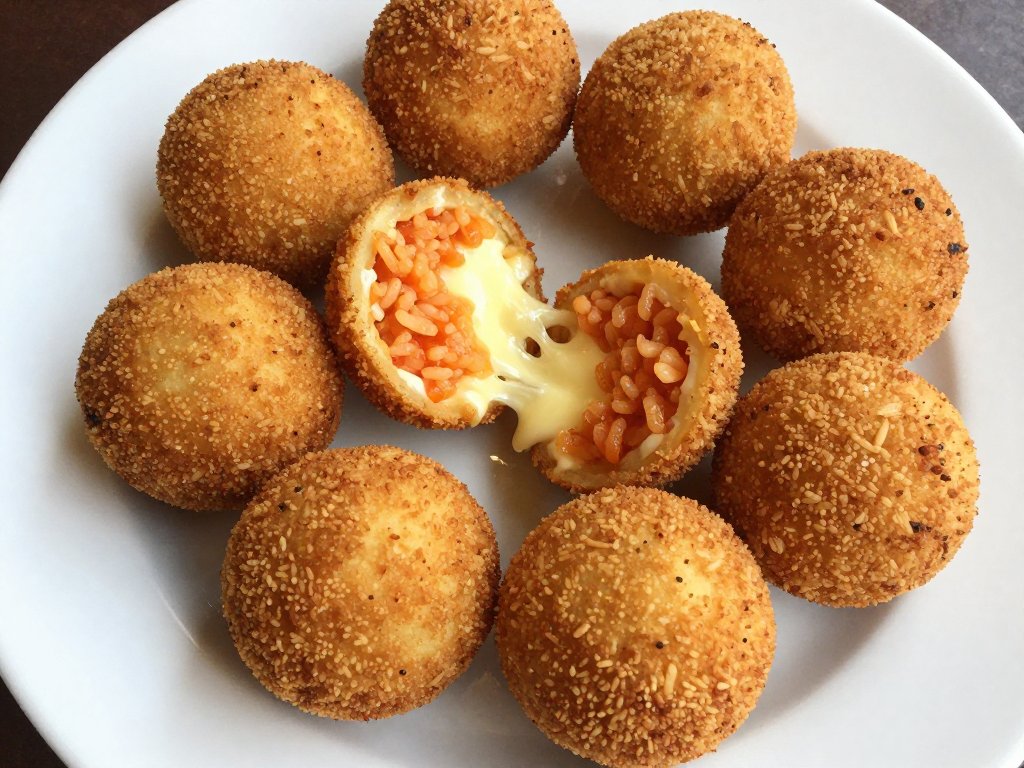
Supplì
Roman fried rice balls stuffed with mozzarella that stretches into strings when you pull them apart. Called 'supplì al telefono' for the phone-cord effect.
Main Courses
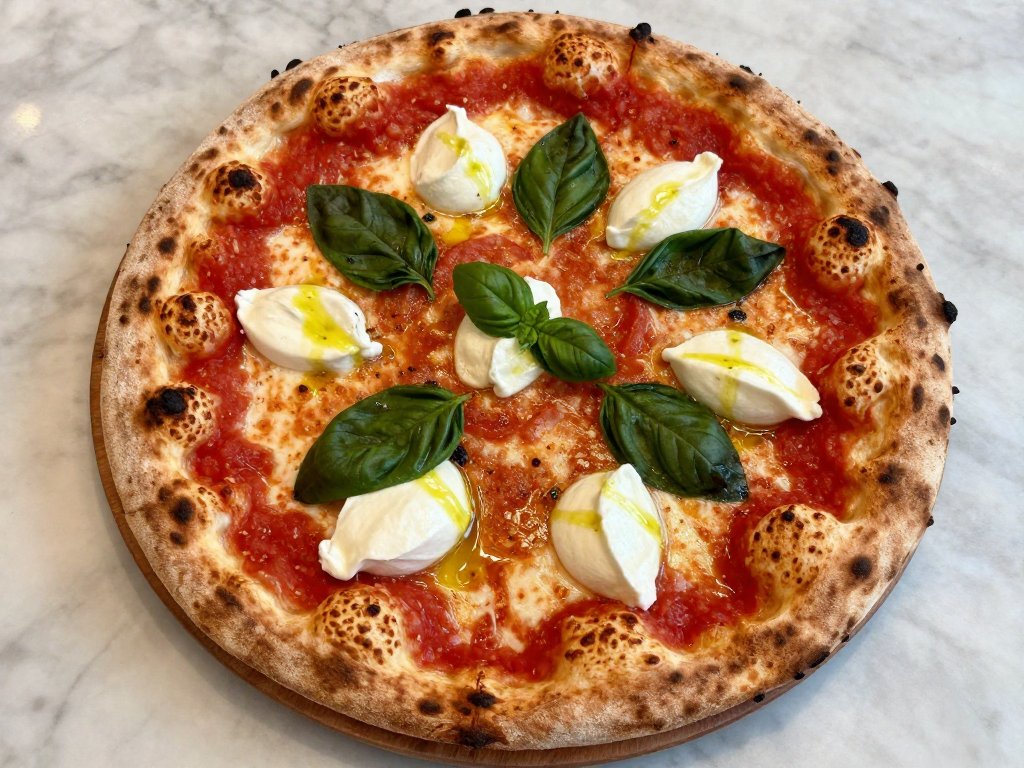
Pizza Margherita
San Marzano tomatoes, fior di latte mozzarella, basil, and olive oil on a blistered crust. Neapolitan style has a soft, foldable center; Roman style is thin and crispy.
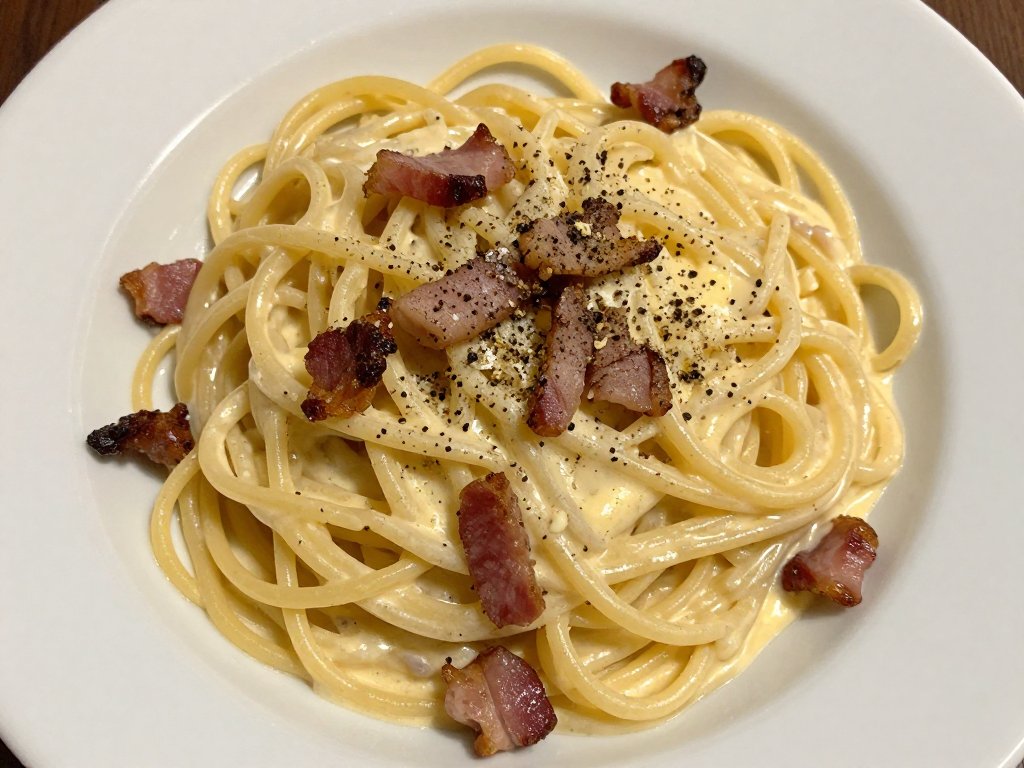
Carbonara
Pasta alla Carbonara
Rigatoni or spaghetti with guanciale, egg yolks, Pecorino Romano, and black pepper. No cream, ever. A Roman classic.
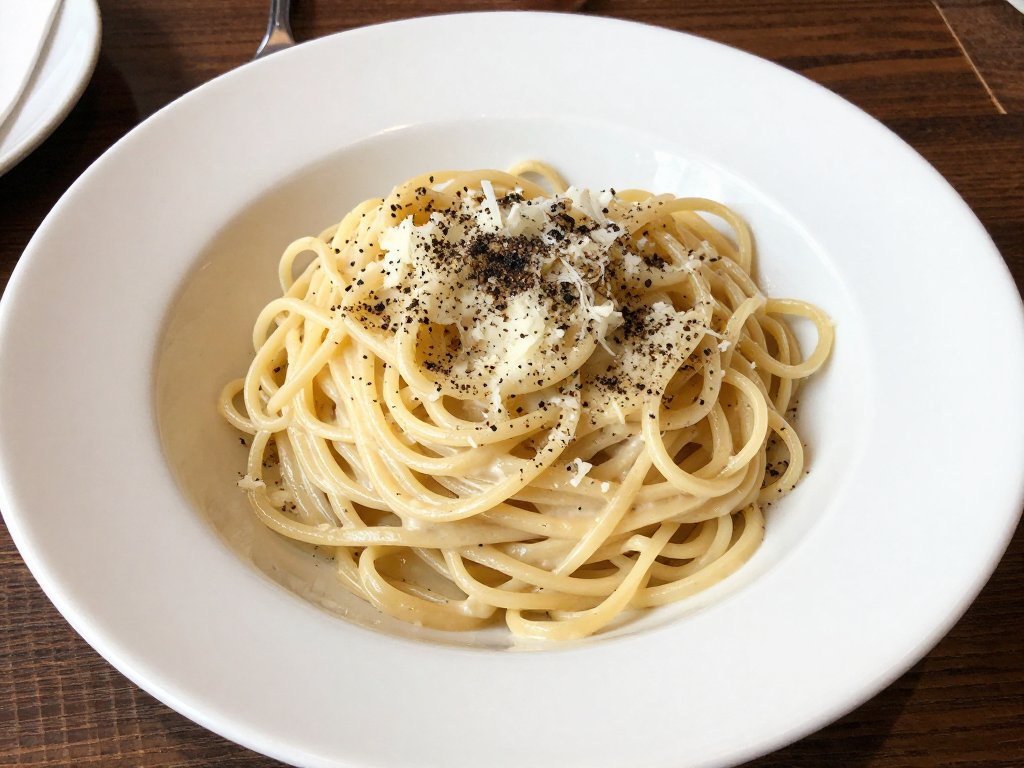
Cacio e Pepe
Tonnarelli or spaghetti with Pecorino Romano and black pepper only. Three ingredients that require serious technique to get right.
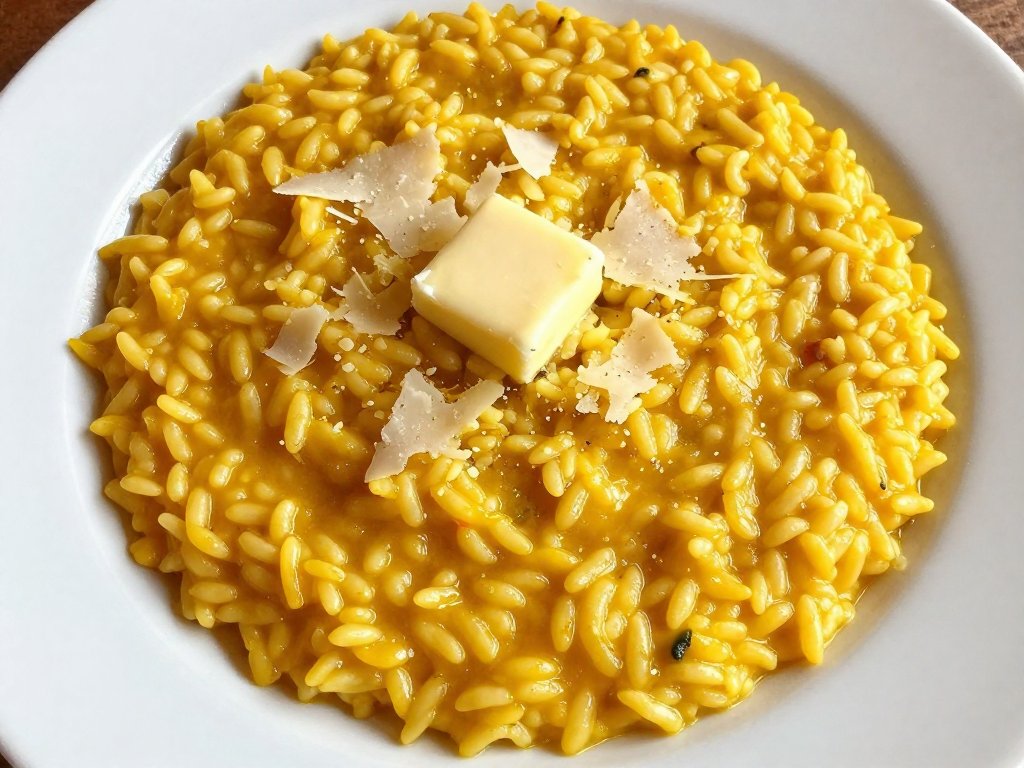
Risotto alla Milanese
Carnaroli rice slow-cooked with saffron, white wine, butter, and Parmigiano-Reggiano. The signature dish of Milan.
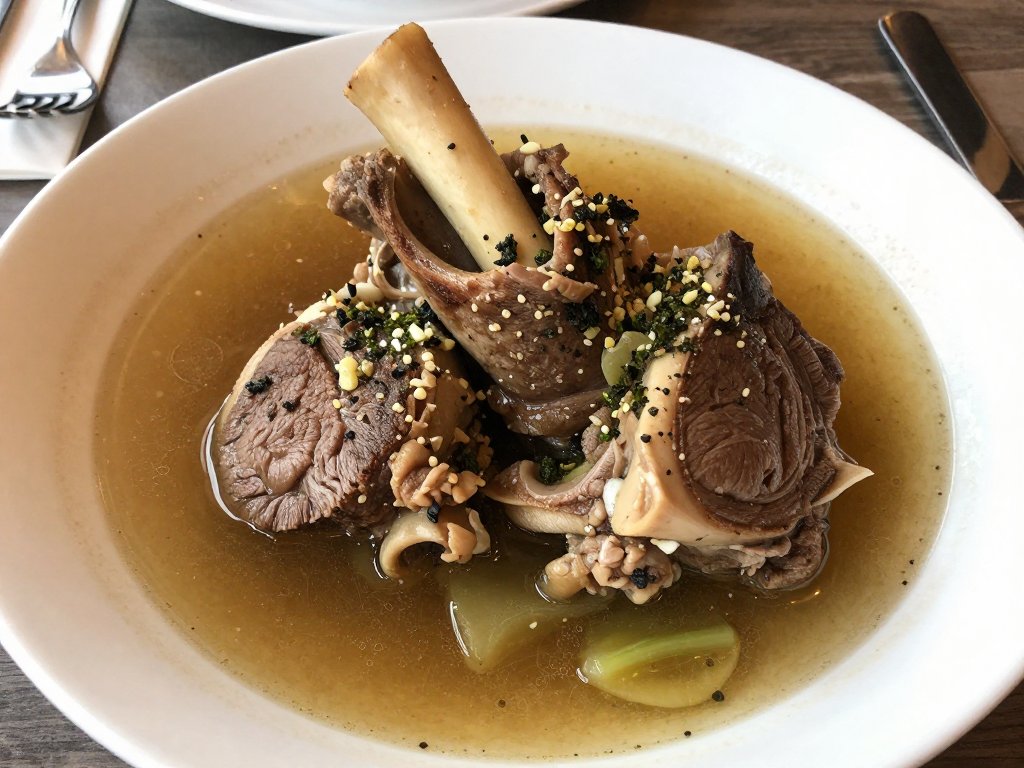
Osso Buco
Osso Buco alla Milanese
Cross-cut veal shank braised with white wine, broth, and vegetables, finished with gremolata (lemon zest, garlic, parsley). The marrow is the best part.
Side Dishes
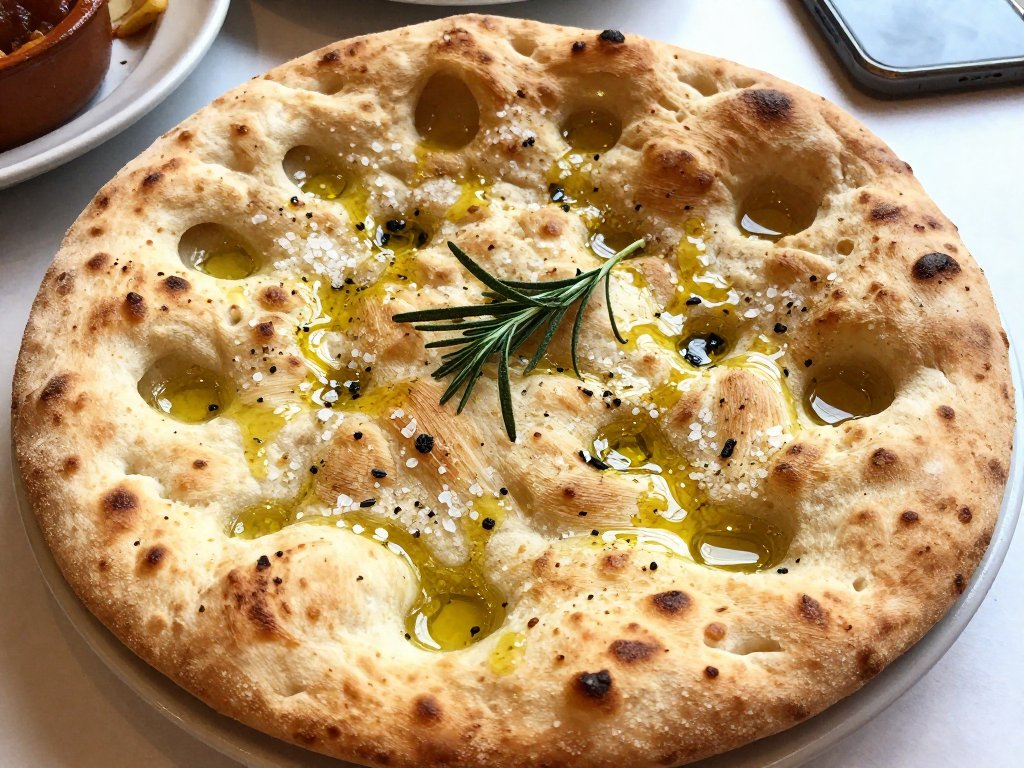
Focaccia
Ligurian flatbread dimpled with fingertips and drenched in olive oil. Genoa's version is thin and crispy; Bari's is stuffed with tomatoes.
Desserts
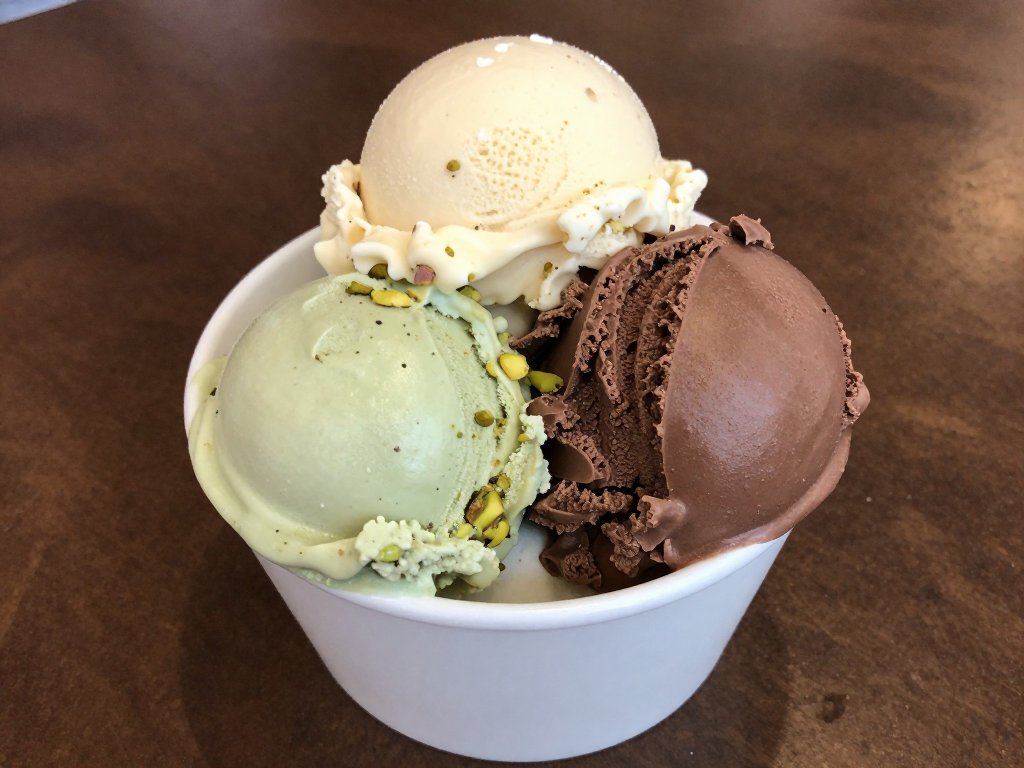
Gelato
Denser and less airy than ice cream, made with more milk than cream. Look for natural colors; bright green pistachio means artificial flavor.
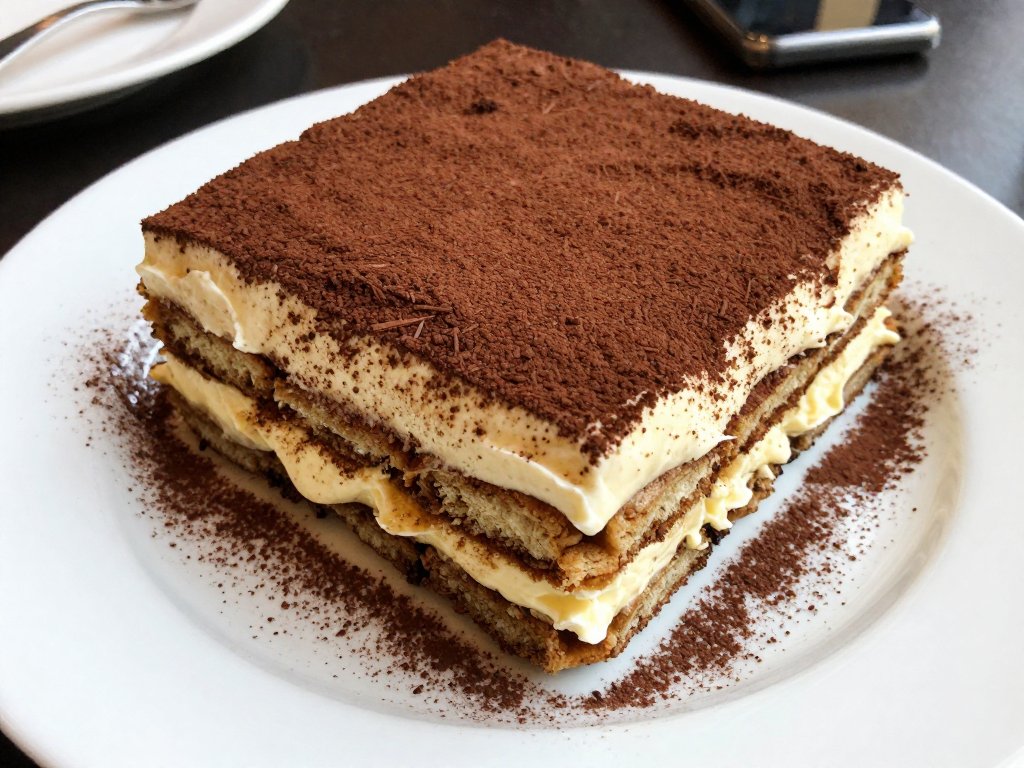
Tiramisù
Layers of espresso-soaked savoiardi biscuits with mascarpone cream and cocoa powder. Originates from the Veneto region.
Drinks
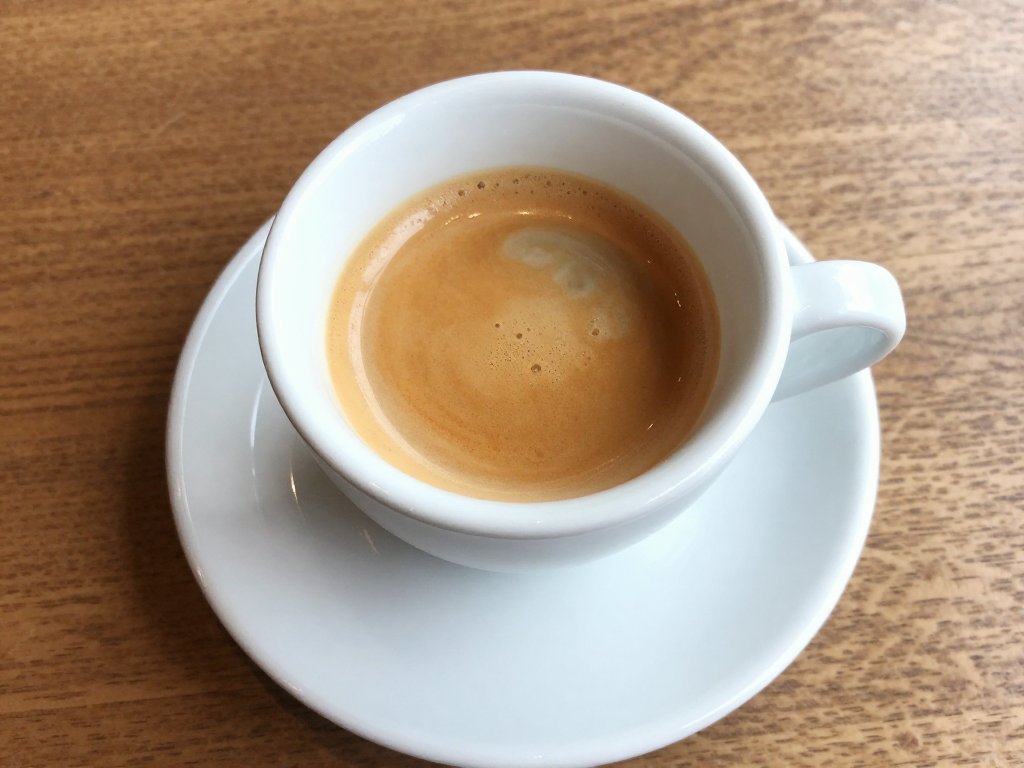
Espresso
Caffè
Ordered simply as 'un caffè,' a single shot pulled at high pressure. Italians drink it standing at the bar for about 1.10 EUR.
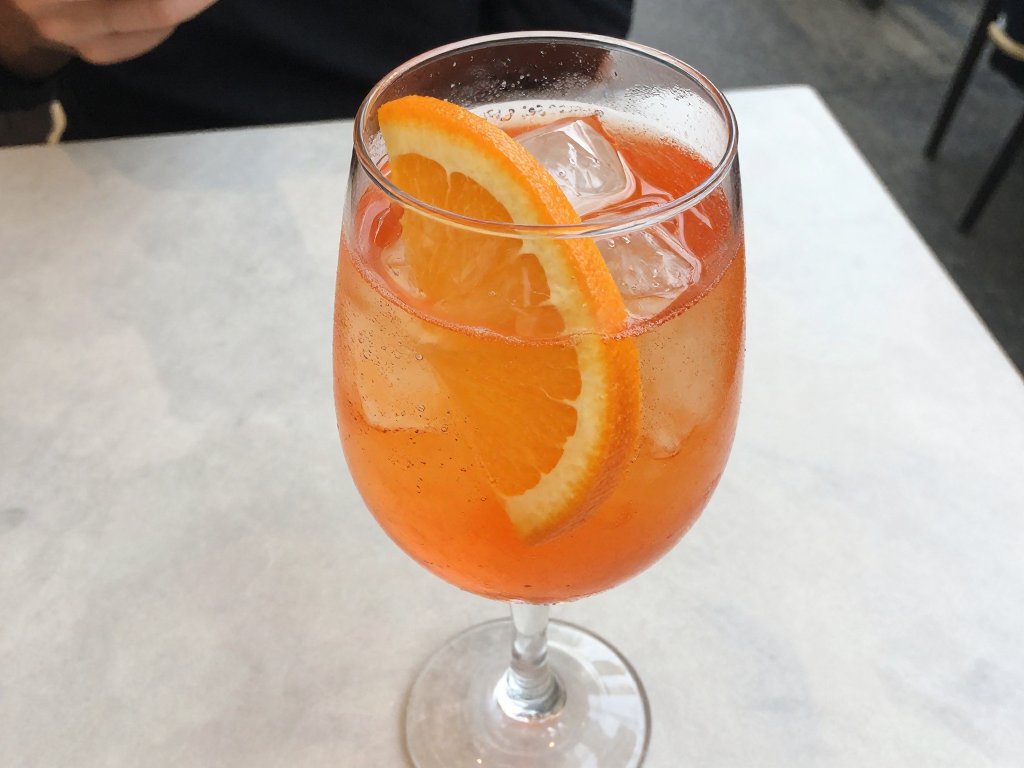
Aperol Spritz
Spritz Aperol
Aperol, prosecco, and a splash of soda water over ice with an orange slice. The unofficial drink of Italian aperitivo hour.
Traveling to Italy?
Translate any menu instantly with your camera.


Useful Phrases for Dining
Learn these essential phrases to navigate restaurants and food stalls in Italy.
English
Italian
Pronunciation
Can I see the menu, please?
Posso vedere il menù, per favore?
POHS-soh veh-DEH-reh eel meh-NOO, pair fah-VOH-reh
I'd like to order, please.
Vorrei ordinare, per favore.
vor-RAY or-dee-NAH-reh, pair fah-VOH-reh
I'm vegetarian.
Sono vegetariano/vegetariana.
SOH-noh veh-jeh-tah-ree-AH-noh/nah
I have a gluten allergy.
Sono celiaco/celiaca.
SOH-noh cheh-lee-AH-koh/kah
The bill, please.
Il conto, per favore.
eel KOHN-toh, pair fah-VOH-reh
Thank you.
Grazie.
GRAH-tsee-eh
What do you recommend?
Cosa mi consiglia?
KOH-zah mee kohn-SEEL-yah
Frequently Asked Questions
Everything you need to know about dining in Italy.
In Rome, carbonara and cacio e pepe are non-negotiable. In Naples, eat pizza margherita from a wood-fired oven. Milan is the city for risotto alla Milanese and osso buco. Bologna has the original ragù (not 'bolognese'). Everywhere, eat gelato daily. Look for shops that make it fresh with natural colors.
Never struggle with a foreign menu again
Point your camera at any menu and get instant translations with dish descriptions, dietary info, and more.