
Food to Try in India
What makes Indian food different
India does not have a single national cuisine. It has dozens of regional food traditions, shaped by climate, religion, trade routes, and local agriculture. The creamy, dairy-rich curries of Punjab taste nothing like the coconut-based stews of Kerala. The street food of Mumbai operates on a completely different logic than the thalis of Gujarat. A dosa in Chennai and a chole bhature in Delhi could be from different continents.
This is what makes eating in India overwhelming and exciting at the same time. A single city block in Old Delhi might serve food from five different culinary traditions, each with its own spice blends and cooking methods.
How Indians Eat
Meal structure in India varies by region, but some patterns hold. Breakfast is substantial in the south (dosas, idlis, steamed rice cakes, upma, or pongal) and lighter in the north, where parathas or bread with chai dominate. Lunch is usually the biggest meal. Dinner is often a simpler version of lunch, eaten between 8 and 10pm.
The Thali System
The best way to understand any regional cuisine is to order a thali. This is a complete meal served on a round metal plate (or banana leaf in the south) with small bowls of different dishes arranged around a central mound of rice or bread. A typical thali includes dal, two or three vegetable dishes, rice, bread, pickle, papadum, a sweet, and sometimes yogurt or raita.
Thalis are often unlimited. Staff circulate with buckets of each dish and refill your bowls until you stop them. Prices for an unlimited thali at a local restaurant run INR 100-250, making it hard to beat for value. If the menu lists a dozen thali variations in Hindi or a regional script, scanning it with Menu Translator shows you exactly what comes in each one so you can pick the right combination.
Eating With Your Hands
Many Indians eat with their right hand, using bread to scoop up curries or mixing rice with dal and vegetables directly on the plate. This is not just tradition. Many locals will tell you food tastes better this way, and the tactile connection to the food is considered part of the experience. Restaurants always provide hand-washing facilities. Utensils are available everywhere for those who prefer them.
Always use your right hand. The left hand is considered unclean for eating.
Regional Food You Need to Know
North India: Punjab, Delhi, and Lucknow
This is the cuisine most Westerners think of as "Indian food." Rich, creamy gravies. Tandoor-cooked breads and meats. Butter chicken, dal makhani, and naan all originate here. Delhi's food scene is anchored by Mughlai cooking (the legacy of the Mughal Empire), which gave India biryani, kebabs, and the tandoor oven.
Old Delhi's Chandni Chowk is one of the most intense food streets on the planet. Parathe Wali Gali serves stuffed parathas that have been made at the same stalls for over a century. Karim's, near the Jama Masjid, has been cooking Mughlai food since 1913.
Lucknow brings the refined Awadhi tradition: galouti kebabs so soft they dissolve on your tongue, and dum biryani cooked in sealed pots over slow heat. Menus in Old Delhi and Lucknow list dozens of kebab and biryani variations with Urdu names that look identical to the untrained eye -- Menu Translator breaks down what each one actually is so you can tell your galouti from your kakori.
South India: Tamil Nadu, Kerala, and Karnataka
South Indian food is lighter, rice-based, and relies on coconut, curry leaves, mustard seeds, and tamarind. Breakfast here is a meal worth waking up for: crispy dosas the size of your arm, fluffy idlis with coconut chutney, and bowls of sambar. The masala dosa, filled with spiced potatoes, is one of India's most satisfying dishes.
Kerala's food revolves around coconut and seafood. Fish moilee (fish in coconut milk), appam (fermented rice pancakes), and the elaborate Sadhya feast served on banana leaves during Onam are all worth seeking out. Alleppey and Kochi are excellent food cities.
In Karnataka, Mysore pak (a dense ghee-based sweet) and bisi bele bath (a spiced lentil-rice dish) are staples. Udupi, a small temple town, gave the world an entire vegetarian restaurant tradition.
West India: Mumbai, Goa, and Gujarat
Mumbai is India's street food capital. Vada pav (a spiced potato fritter in a bun) is the city's working-class lunch, sold for INR 15-30 from carts on every corner. Pav bhaji (a spiced vegetable mash with buttered bread) and bhel puri (puffed rice with chutneys) are just as essential.
Goa's food reflects four centuries of Portuguese colonization. Vindaloo (originally a Portuguese dish adapted with Indian spices), pork sorpotel, and fish recheado show the fusion clearly. Feni, a spirit distilled from cashew fruit or coconut sap, is unique to Goa.
Gujarat is almost entirely vegetarian and produces some of India's most inventive plant-based food. A Gujarati thali balances sweet, sour, salty, and spicy in a way that leaves you wondering why anyone thought vegetables were boring.
East India: Bengal and Kolkata
Bengalis are obsessed with fish, sweets, and the sequence in which you eat them. A Bengali meal builds from bitter (a neem or karela dish) to sweet (mishti doi, rasgulla, or sandesh). Hilsa fish cooked in mustard sauce is almost a religious experience in Kolkata during monsoon season.
Kolkata's street food, especially the kathi rolls (skewered meat or egg wrapped in paratha) from Nizam's and the phuchka (Kolkata's version of pani puri), is as good as anything in Mumbai, though locals from both cities would fight over that claim.
Dietary Restrictions
Vegetarian
India is the easiest country in the world for vegetarians. Somewhere between 30-40% of the population does not eat meat, and the infrastructure reflects this. Restaurants are labeled "veg" or "non-veg," and many are exclusively vegetarian. Entire city neighborhoods cater to vegetarian diets. South Indian food, Gujarati food, and Rajasthani food are all strong options. You will never struggle to find something to eat.
Vegan
Vegan dining is very doable in India, with some awareness. South Indian food is the easiest: dosas, idlis, and sambar are naturally vegan. Many North Indian dishes use ghee (clarified butter) and cream, but you can request dishes without dairy: "bina doodh, bina ghee" (without milk, without ghee). Pure veg restaurants may still use dairy liberally, so ask specifically. Menu Translator highlights dairy and other common ingredients when you scan a menu, which takes some of the guesswork out of figuring out which dishes need modification.
Halal
Halal food is widely available across India, especially in Muslim-majority neighborhoods and non-veg restaurants. In cities like Hyderabad, Lucknow, and Old Delhi, halal is the default at most meat-serving establishments. In Hindu-majority areas, check if a restaurant serves meat at all. If it does, it is typically halal.
Gluten-Free
South Indian food is naturally gluten-free: rice, lentils, and coconut form the base. North Indian food relies heavily on wheat breads (roti, naan, paratha), but rice is always available as an alternative. Street food like samosas and chaat often contain wheat. Biryani, most dals, and rice-based dishes are safe choices.
Practical Tips for Eating in India
Water is the most important thing. Drink only bottled water (check the seal) or filtered water. Avoid ice at street stalls. Most restaurants use filtered water for ice, but ask if you are unsure.
Start mild and work up. If you are not used to spice, begin with dishes like butter chicken, dal, and plain dosa. Tell the server "kam mirchi" (less chili). Indian "medium" spice is often quite hot by Western standards.
Street food is half the experience. Do not skip it out of fear. Choose stalls with long lines and quick turnover. If the food is being made fresh in front of you and cooked at high heat, it is generally safer than a lukewarm buffet at a mid-range hotel. Street stall menus painted on the wall in Hindi or Tamil can look intimidating, but a quick photo with Menu Translator tells you exactly what each item is and what's in it.
Tipping is modest. At restaurants, 10% is standard if a service charge is not already included. At street stalls and dhabas (roadside eateries), tipping is not expected. Rounding up is fine.
Dhabas are not to be underestimated. These roadside restaurants along highways serve some of the best North Indian food you will find anywhere. Truck drivers know where the food is good. A dhaba with a packed parking lot of trucks is almost always a winning bet. The menus at these places are rarely in English, but that's no problem. Snap a photo with Menu Translator and you'll know what every dish is before the server comes to take your order.
Chai is a social ritual. Masala chai from a street vendor, served in a tiny clay cup (kulhar) for INR 10-20, is one of the best parts of traveling in India. The cup gets thrown away after use. It is biodegradable clay. You will drink dozens of these.
The Spice Factor
Spice in India is not about heat alone. A single dish might use fifteen different spices, each playing a distinct role: cumin for earthiness, coriander for brightness, turmeric for color and warmth, cardamom for fragrance, and chili for kick. The art is in the blending, not the burning.
That said, some dishes will test your limits. Andhra food from Hyderabad is seriously fiery. Chettinad cuisine from Tamil Nadu uses aggressive amounts of black pepper and red chili. If you want heat, head south and east. If you want complexity without punishment, Mughlai and Awadhi cuisines in the north deliver deep flavor at manageable spice levels. Scanning a menu with Menu Translator helps here too, since it explains what each dish actually is and what's in it, so you have a better sense of what you're getting into before you order.
Raita (yogurt with cucumber and spices) and plain rice are your allies when a dish surprises you. Drinking water actually spreads capsaicin around your mouth. Yogurt, bread, or rice are more effective at calming the burn.
The bigger picture
India's food is inseparable from its culture, religion, and history. The vegetarian traditions of Gujarat and Tamil Nadu are rooted in Jain and Hindu philosophy. Mughlai cuisine comes directly from Persian and Central Asian cooking traditions. Kerala's spice trade shaped global history. Goan food still tastes like the Portuguese Empire.
You can learn more about India from what it eats than from most history books. And the flavor alone makes it worth the trip.
Must-Try Dishes in India
From street food stalls to fine dining, these are the dishes you should not miss.
Breakfast
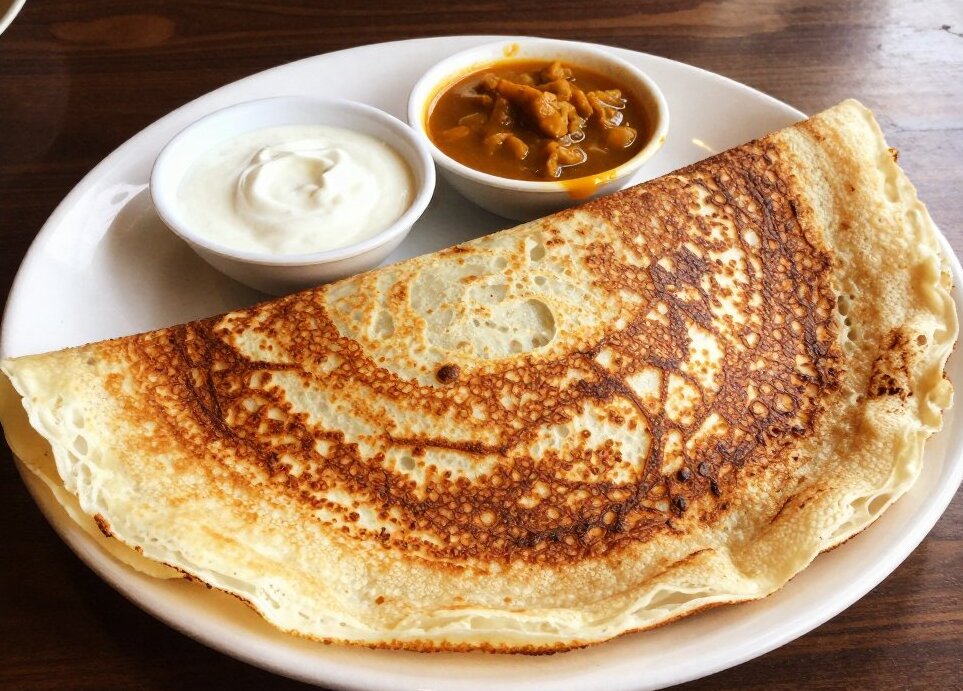
Dosa
दोसा
Thin crispy crepe made from fermented rice and lentil batter. Served with coconut chutney and sambar. A South Indian staple.
Appetizers
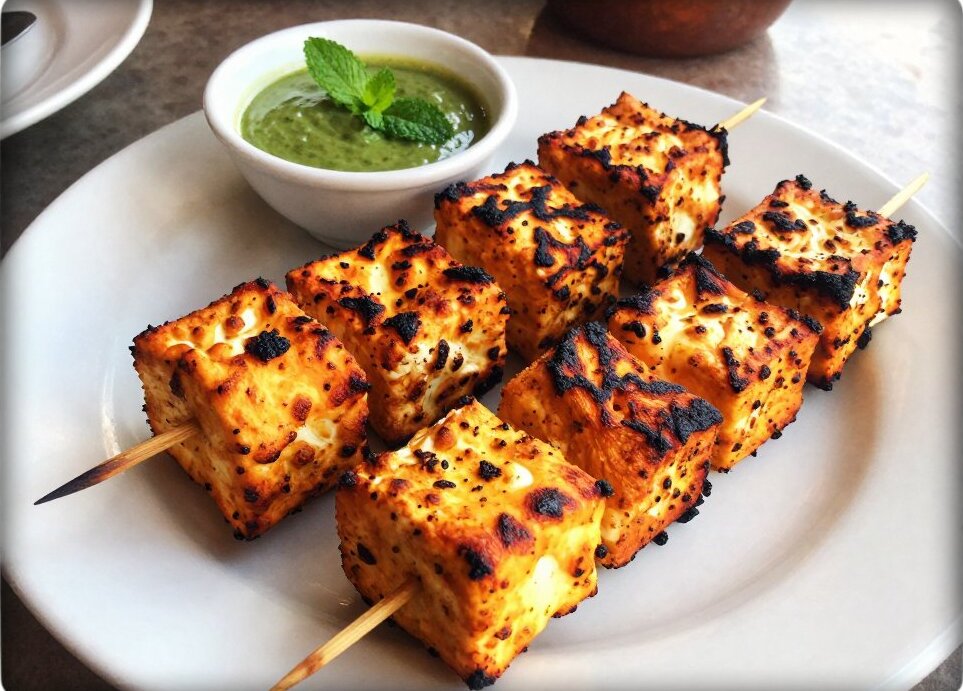
Paneer Tikka
पनीर टिक्का
Cubes of fresh paneer cheese marinated in spiced yogurt and grilled in a tandoor. Often served as a starter with mint chutney.
Street Food
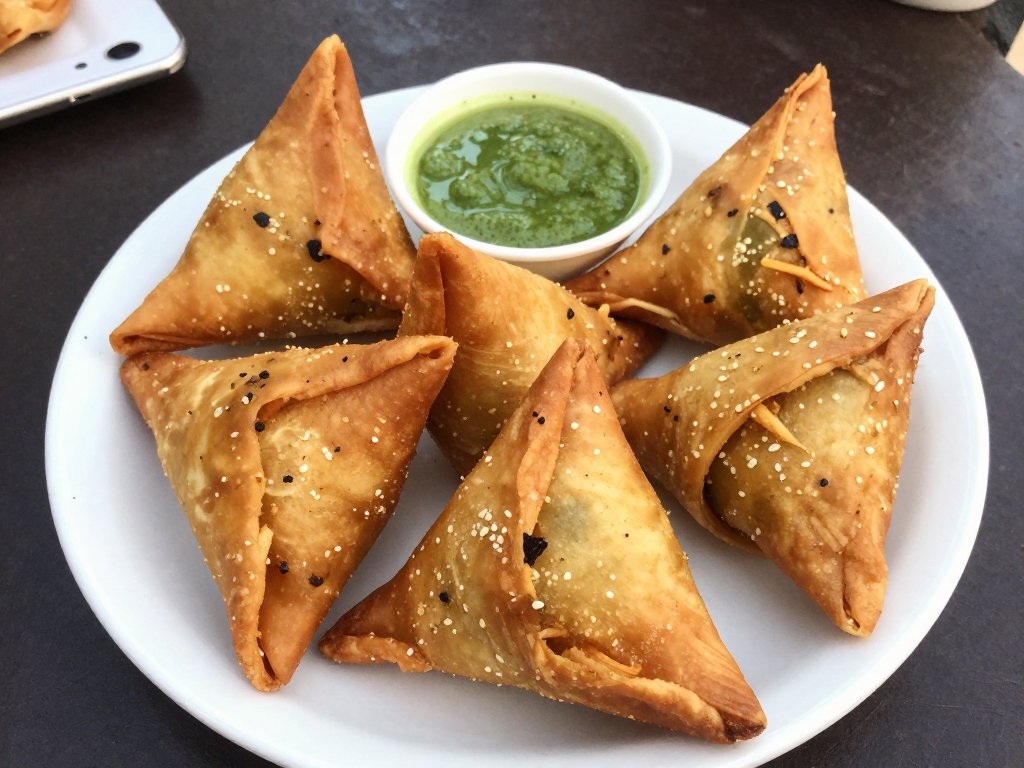
Samosa
समोसा
Crispy deep-fried pastry filled with spiced potatoes, peas, and sometimes meat. The most popular street snack in North India.
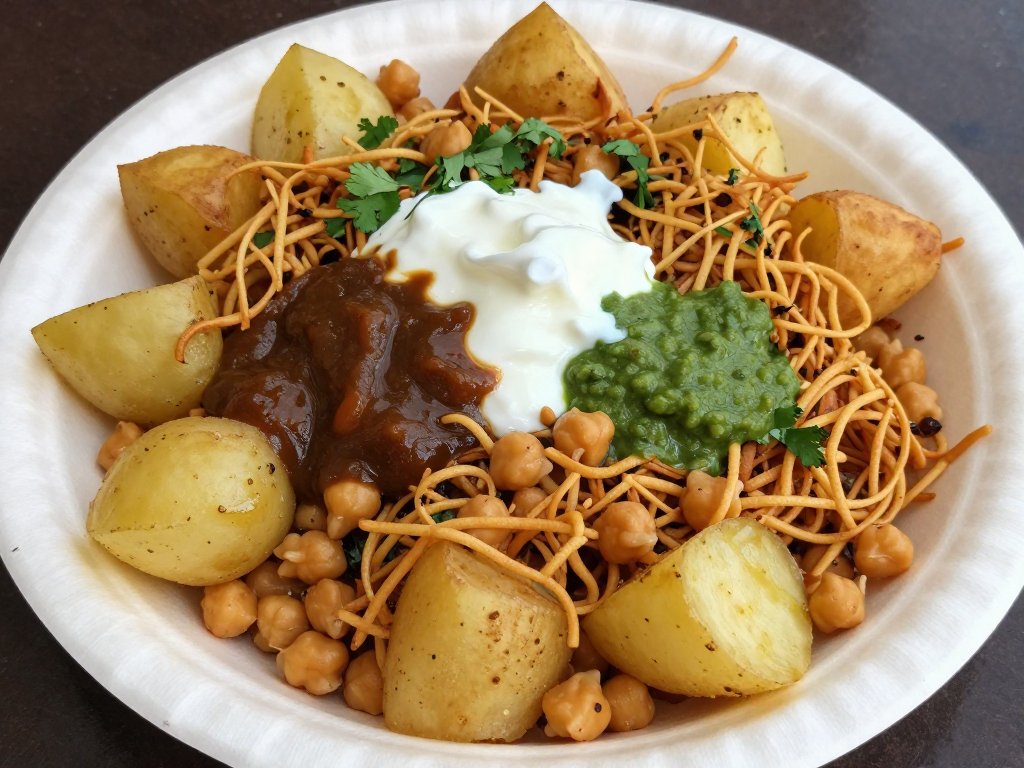
Chaat
चाट
A category of tangy, spicy street snacks combining crispy elements with chutneys and yogurt. Includes pani puri, bhel puri, and papdi chaat.
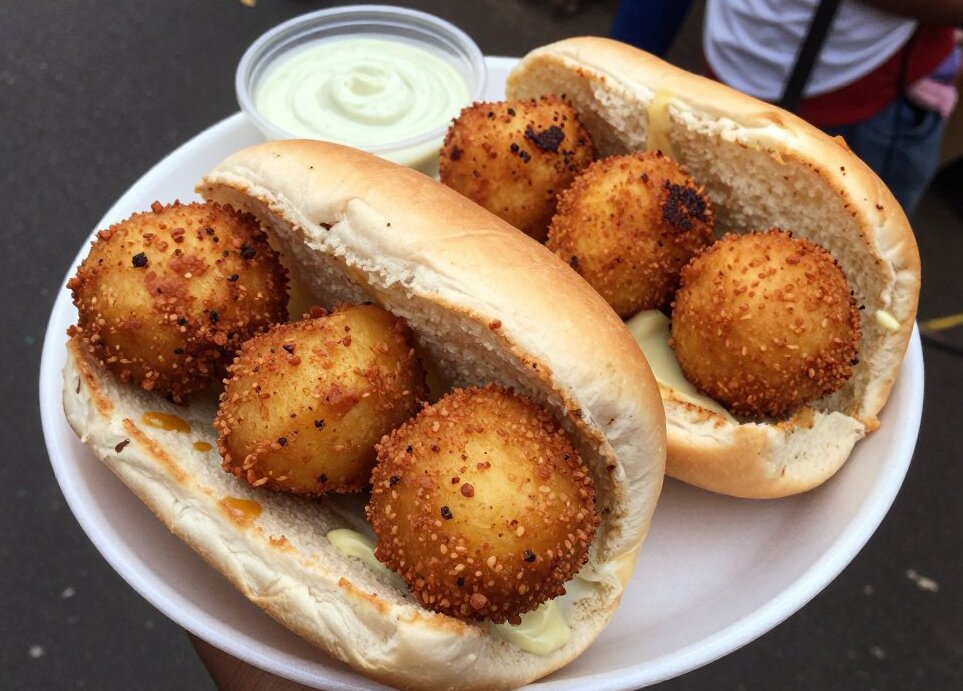
Vada Pav
वड़ा पाव
Spiced potato fritter stuffed inside a bread roll with chutneys. Mumbai's signature street food, sometimes called the Indian burger.
Main Courses
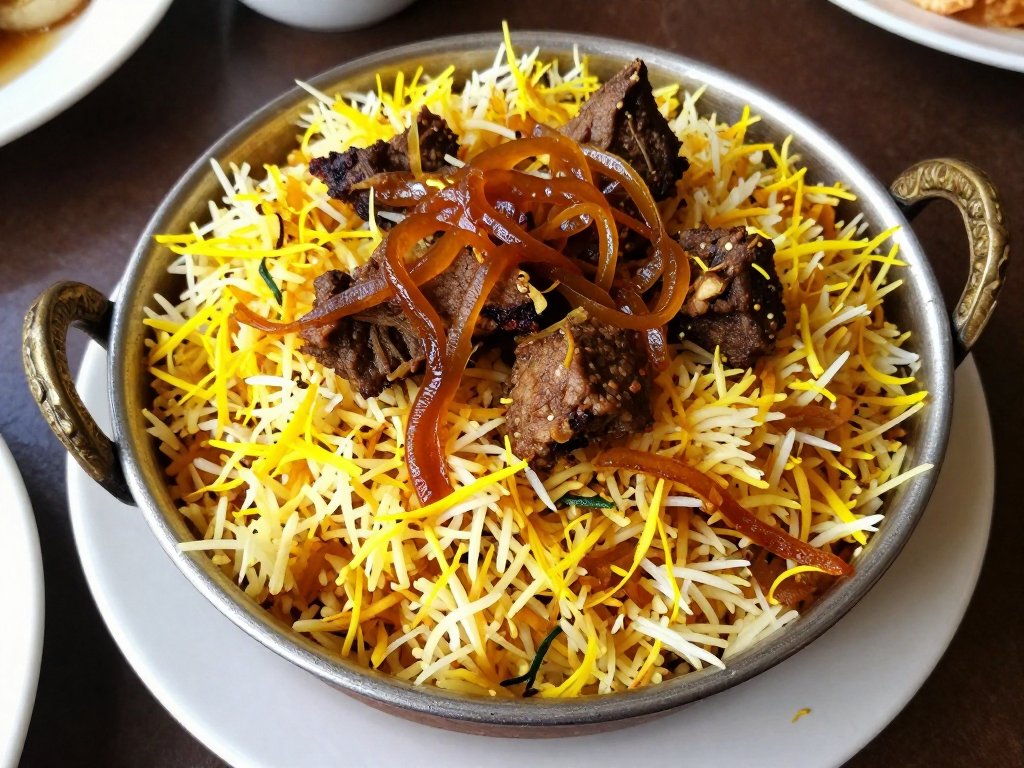
Biryani
बिरयानी
Fragrant basmati rice layered with spiced meat or vegetables, slow-cooked with saffron and caramelized onions. Hyderabadi and Lucknowi styles are the most famous.
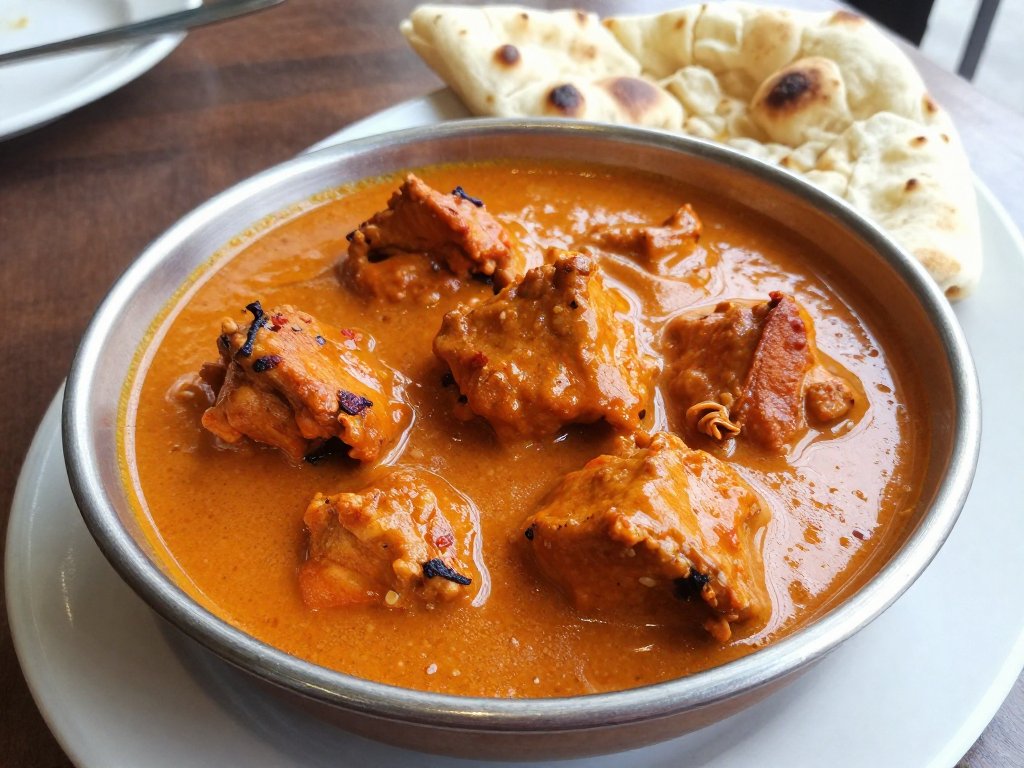
Butter Chicken
मुर्ग मक्खनी
Tandoori chicken simmered in a creamy tomato sauce enriched with butter and fenugreek. Invented in Delhi in the 1950s.
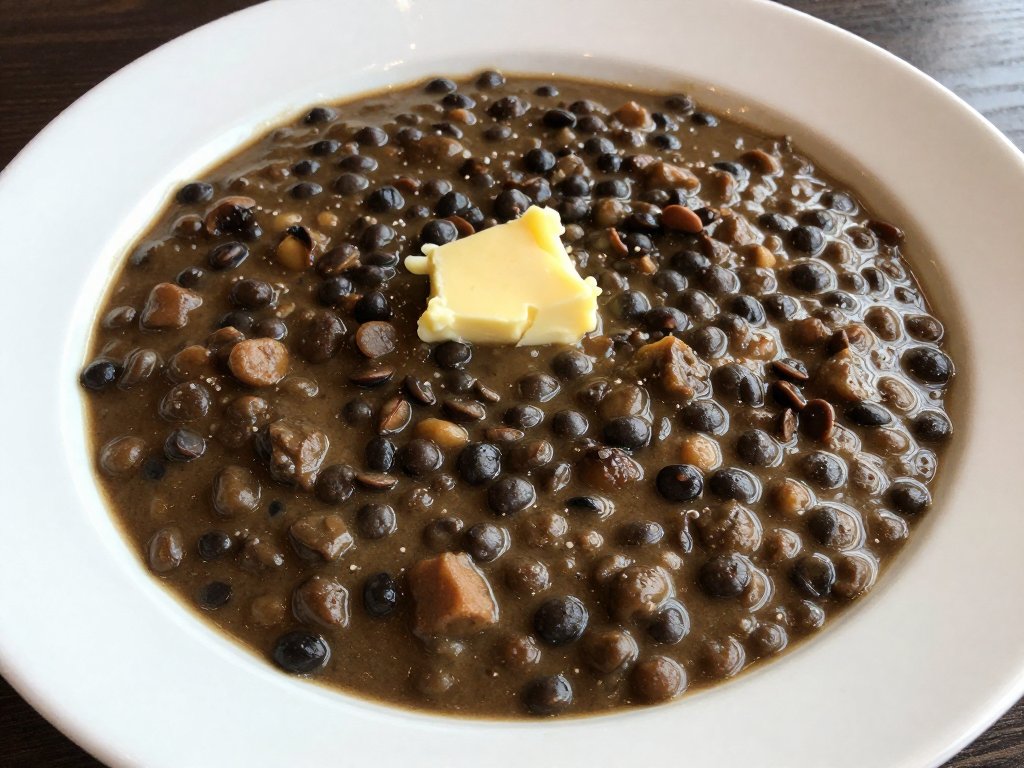
Dal Makhani
दाल मखनी
Black lentils and kidney beans simmered overnight with butter, cream, and spices. A rich, slow-cooked North Indian classic.
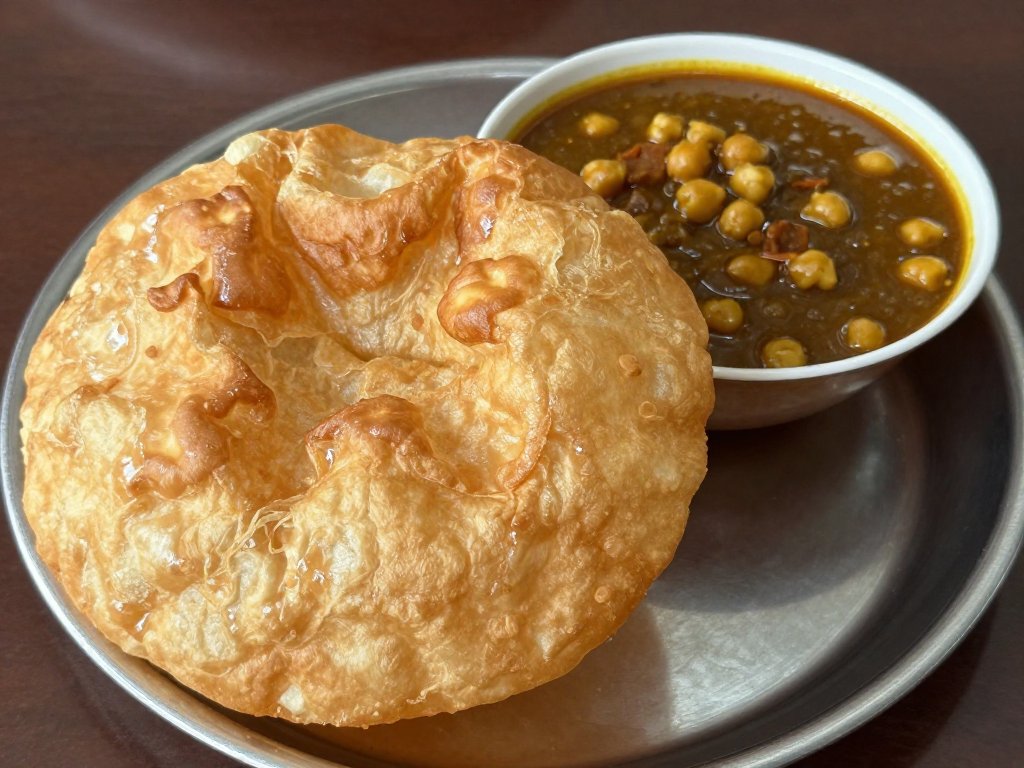
Chole Bhature
छोले भटूरे
Spicy chickpea curry served with large, puffy deep-fried bread. A beloved breakfast and lunch dish in Delhi and Punjab.
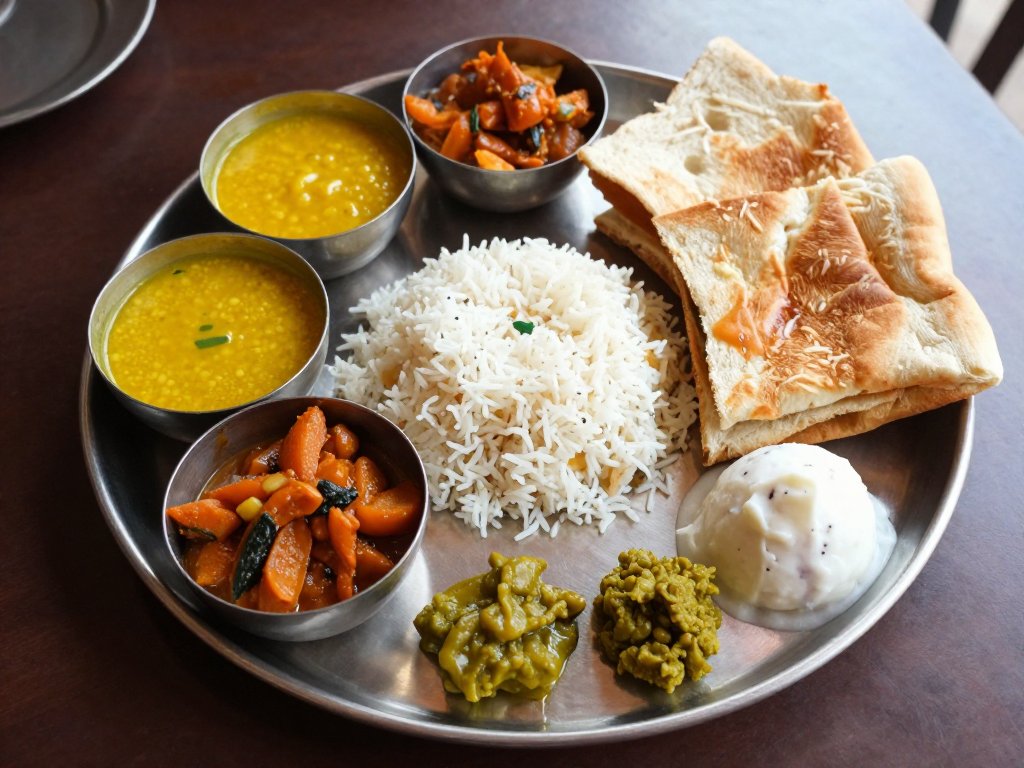
Thali
थाली
A complete meal served on a metal plate with small bowls of dal, vegetables, rice, bread, pickle, and dessert. Composition varies by region.
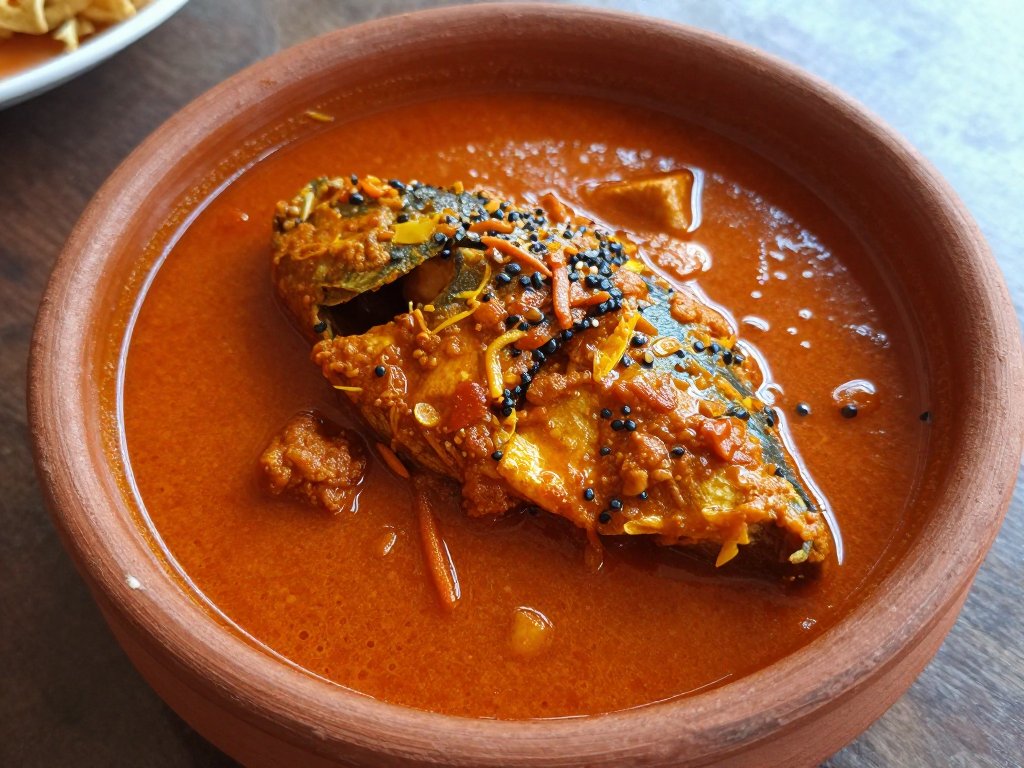
Fish Curry
मछली करी
Varies wildly by coast. Kerala uses coconut milk and kokum; Goan fish curry relies on tamarind and coconut; Bengali versions feature mustard oil and panch phoron.
Side Dishes
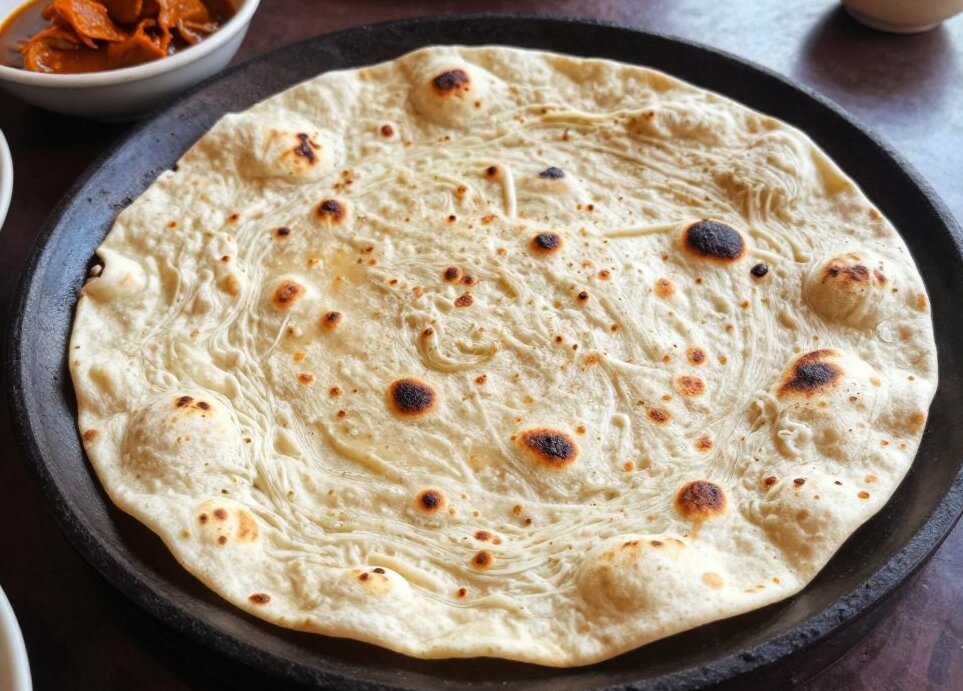
Roti
रोटी
Unleavened whole wheat flatbread cooked on a flat griddle. The daily bread of most North Indian households, served with every meal.
Desserts
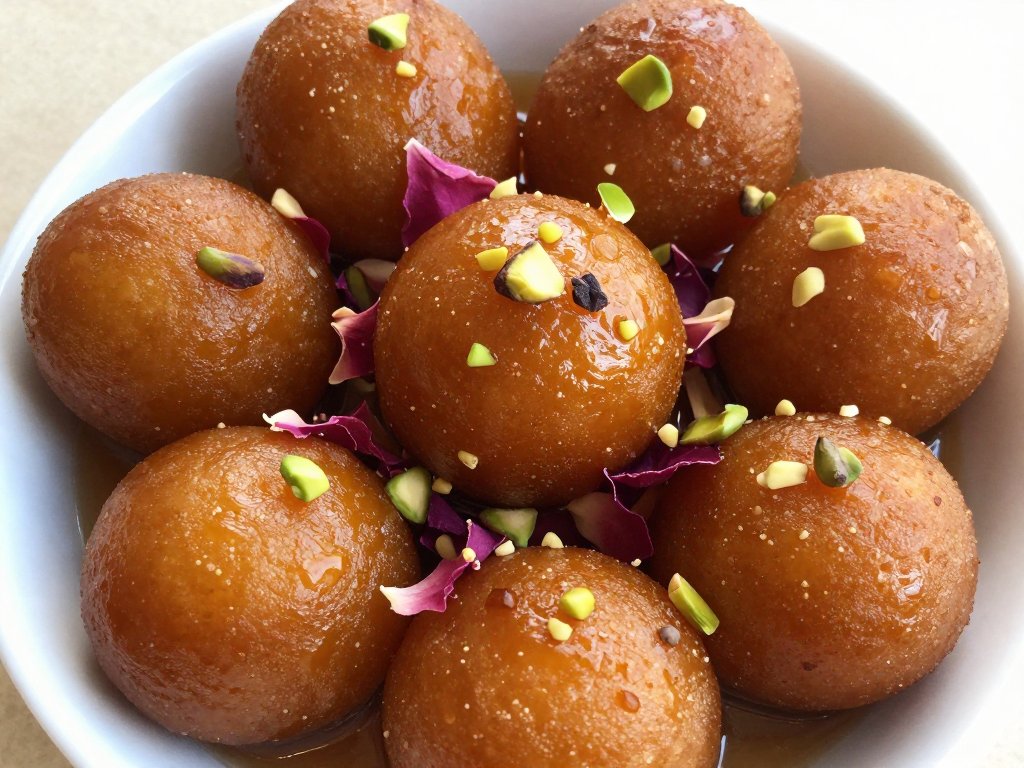
Gulab Jamun
गुलाब जामुन
Deep-fried milk solid dumplings soaked in cardamom-scented sugar syrup. The most popular Indian dessert.
Drinks
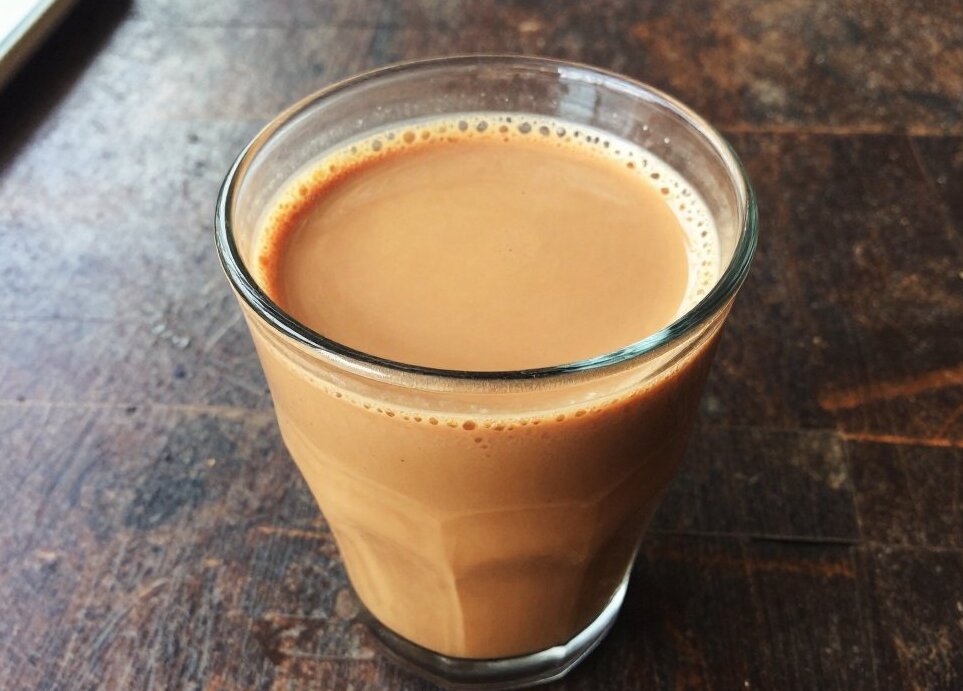
Masala Chai
मसाला चाय
Black tea boiled with milk, sugar, and spices like cardamom, ginger, and cinnamon. Sold from roadside stalls in small clay cups.
Traveling to India?
Translate any menu instantly with your camera.


Useful Phrases for Dining
Learn these essential phrases to navigate restaurants and food stalls in India.
English
Hindi
Pronunciation
Can I see the menu, please?
क्या मैं मेन्यू देख सकता हूँ?
kya main MENU dekh sak-taa hoon?
I'd like to order this.
मुझे यह चाहिए।
moo-jhey yeh CHAH-hee-yeh
I am vegetarian.
मैं शाकाहारी हूँ।
main SHAH-kah-hah-ree hoon
Not too spicy, please.
कम मिर्ची, प्लीज़।
kum MIRCH-ee, please
The bill, please.
बिल दे दीजिए।
bill dey DEE-jee-yeh
Thank you.
धन्यवाद।
dhun-yah-VAAD
Is this dish spicy?
क्या यह तीखा है?
kya yeh TEEK-hah hai?
One more roti, please.
एक और रोटी दीजिए।
ek aur ROH-tee DEE-jee-yeh
Frequently Asked Questions
Everything you need to know about dining in India.
Start with biryani (Hyderabadi if possible), butter chicken with naan, and a masala dosa. Street food is essential: try chaat, samosas, and vada pav in Mumbai. Order a thali for the most complete single-meal experience of any regional cuisine.
Never struggle with a foreign menu again
Point your camera at any menu and get instant translations with dish descriptions, dietary info, and more.